Key takeaways
Water softener system shopping is about ending hard-water scale, spotty dishes, and dry skin at the point of entry, so this water softener system guide ranks picks by what matters most here. Below are six options with honest drawbacks, weighed on grain capacity, salt versus salt-free, and regeneration.
As an Amazon Associate we earn from qualifying purchases at no extra cost to you. Product prices and availability are accurate as of the date shown and are subject to change.


As an Amazon Associate we earn from qualifying purchases.
By Daniel Foster
Softening Versus Filtering
A softener is not a filter: it removes the calcium and magnesium that cause hardness, while a filter targets chlorine, sediment, or contaminants. Sorting grain capacity, salt-based versus salt-free, regeneration, and install first keeps a water softener system focused on hardness, so you buy the right tool rather than expecting a softener to also purify your water.
Water Softener Decision Numbers
The deciding factors are the grain capacity (sized to your hardness in grains per gallon and household size), the type (salt-based ion exchange that truly softens versus salt-free conditioning that reduces scale without removing hardness), the regeneration control (metered on demand versus timed), and the install and bypass.
Then start from a hardness test in grains per gallon (gpg), since sizing the resin and regeneration to your water and usage prevents an undersized unit that regenerates constantly. Salt-based systems add a small amount of sodium and produce brine wastewater, which matters for septic systems and low-sodium diets.
Confirm whether you want true softening or scale reduction, since salt-free conditioners crystallize hardness to reduce scale but do not remove minerals, so water still tests hard. Metered regeneration saves salt and water over timed systems, and a bypass valve lets the home run during service. The right water softener system starts from a hardness test in gpg, then sizes resin and regeneration to it.
Placement, Space, And Fit
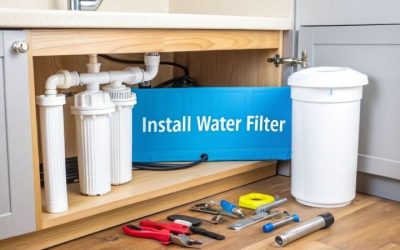
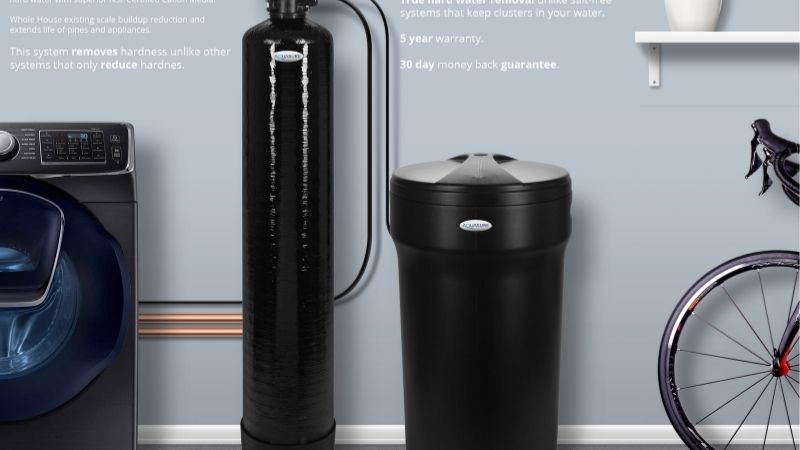
A softener installs on the main water line at the point of entry, usually before the water heater, so plan space for the resin tank and, on salt-based units, a brine tank you refill with salt. Most installs need a plumber, a drain for regeneration wastewater, and a nearby outlet for the control valve.
Confirm the footprint fits, since salt-based systems need two tanks plus clearance to add salt, while salt-free conditioners are more compact with no brine tank. A bypass valve is essential so the home has water during maintenance, and freeze protection matters if the unit sits in a garage.
For renters or apartments, a whole-home softener is usually impractical, so a showerhead or point-of-use conditioner is the limited alternative. Homeowners should route the drain properly, confirm septic compatibility for brine, and leave room to add salt and service the control valve. Routing the regeneration drain properly and confirming septic suitability for brine avoids costly surprises.
Capacity, Salt, And Regeneration
Grain capacity must match your hardness and water use, since an undersized softener regenerates too often, wasting salt and water, while an oversized one costs more upfront. Size from a hardness test and household size, and favor metered regeneration that runs only when needed rather than on a fixed timer.
Salt-based ion exchange truly softens by swapping hardness minerals for sodium, which handles high hardness well but adds sodium, uses salt, and sends brine to drain. Salt-free conditioning avoids salt and brine and needs less maintenance, but it reduces scale rather than removing hardness, so results differ.
Regeneration and maintenance shape the running cost: metered salt-based units optimize salt and water, while salt-free systems need only periodic media replacement. Match the approach to your hardness, septic situation, and dietary sodium concerns, and factor salt refills or media changes into the long-term cost. Metered regeneration that runs only when needed saves both salt and water over a timed system.
Top Water Softener Picks
These six span salt-based ion-exchange softeners and salt-free conditioners, so this water softener system guide can match an approach to your hardness and maintenance preference. Each entry names a real drawback, because true softening and scale reduction differ, and the right choice depends on your water test, septic setup, and salt tolerance. Reading each drawback closely helps you choose true softening or salt-free scale control.
| Pick | Type | Regeneration | Best for |
|---|---|---|---|
| SpringWell salt-based | Ion exchange | Metered | True softening |
| Fleck 5600SXT | Ion exchange | Metered | Proven control valve |
| Whirlpool/GE | Ion exchange | Metered | Familiar, affordable |
| Culligan | Ion exchange | Metered | Serviced option |
| SpringWell FutureSoft | Salt-free | None (media) | No-salt scale control |
| Aquasana salt-free | Salt-free | None (media) | Low maintenance |
SpringWell Salt-Based For True Softening
SpringWell’s salt-based softeners use metered ion exchange to truly soften water, sized to your hardness with an efficient control valve and app monitoring on some models. For high hardness where you want genuine softening, the salt-based approach delivers the fullest results.
The drawback is salt refills, brine wastewater to drain, a small sodium addition, and a professional install for most owners. Confirm septic compatibility for the brine, and size the unit to your hardness test so it regenerates efficiently rather than too often.
For true softening, SpringWell salt-based leads this guide. Test your hardness in gpg, size the resin and regeneration to your household, plan the drain and install, and confirm septic suitability, choosing salt-based when you want hardness genuinely removed rather than merely conditioned. For high hardness, salt-based ion exchange delivers the fully softened feel a conditioner cannot.
Fleck 5600SXT For A Proven Control Valve
Systems built around the Fleck 5600SXT metered valve are a long-proven, serviceable choice for salt-based softening, with wide parts availability and reliable on-demand regeneration. For buyers who value a repairable, well-documented control valve, it is a dependable backbone.
The drawback is that these are often assembled or configured systems, so sizing and setup fall to you or an installer, plus the usual salt and brine considerations. Confirm the resin volume matches your hardness, and plan the drain and install accordingly.
For a proven, serviceable softener, a Fleck 5600SXT system is a strong pick here. Size the resin to your hardness test, configure metered regeneration, and plan the install and drain, choosing it when long-term reparability and parts availability matter as much as initial performance. For anyone who values reparability, wide parts availability is the quiet advantage of a proven valve.
Whirlpool Or GE For Familiar, Affordable Softening
Whirlpool and GE offer all-in-one salt-based softeners at accessible prices from familiar appliance brands, with metered regeneration and straightforward controls. For buyers who want an affordable, recognizable option with easy retail availability, they lower the entry cost to true softening.
The drawback is that build and capacity may trail dedicated water-treatment brands, and the usual salt, brine, and install considerations apply. Confirm the grain capacity suits your hardness and household, since an undersized unit regenerates too often and wastes salt and water.
For familiar, affordable softening, Whirlpool or GE fits this guide. Test your hardness, size the unit accordingly, plan the drain and install, and confirm septic compatibility, choosing these when brand familiarity and price matter alongside dependable metered ion-exchange softening.
Culligan For A Serviced Option
Culligan offers salt-based softeners with the option of professional sizing, install, and service, appealing to buyers who prefer a hands-off, supported experience. For those who want an expert to size and maintain the system, the service network is the main draw.
The drawback is that serviced systems can cost more and may involve contracts, plus the usual salt and brine considerations. Confirm pricing, what service includes, and that the sizing matches your hardness test rather than a generic recommendation.
For a serviced, supported softener, Culligan is a sensible pick here. Get a hardness test and a clear sizing and pricing quote, confirm what ongoing service covers, and plan the install, choosing it when professional setup and maintenance outweigh the lower cost of a DIY system.
SpringWell FutureSoft For No-Salt Scale Control
SpringWell’s FutureSoft is a salt-free conditioner that crystallizes hardness to reduce scale without salt, brine, or wastewater, needing no regeneration. For buyers who want scale control with minimal maintenance and no sodium, the salt-free approach is appealing.
The drawback is that it conditions rather than softens, so water still tests hard and results differ from ion exchange, and very hard water may see less benefit. Confirm your expectations, since scale reduction is not the same as the slick, fully softened feel of salt-based water.
For no-salt scale control, FutureSoft is a strong pick in this guide. Understand that it reduces scale without removing hardness, confirm it suits your hardness level, and plan the install, choosing it when avoiding salt, brine, and maintenance matters more than true softening. Understanding that conditioning reduces scale without removing hardness sets realistic expectations.
Aquasana Salt-Free For Low Maintenance
Aquasana’s salt-free conditioners reduce scale with minimal upkeep and no brine, often paired with whole-house filtration for a combined approach. For buyers who want low-maintenance scale control alongside taste filtration, the combination is convenient.
The drawback is the same salt-free reality: it conditions rather than truly softens, so water stays hard by test, and heavy hardness limits the benefit. Confirm which certifications apply to any paired filtration, and set expectations for scale reduction rather than full softening.
For low-maintenance scale control, Aquasana salt-free fits this guide. Confirm it suits your hardness, understand it reduces scale without removing hardness, and plan the install, choosing it when minimal maintenance and optional paired filtration matter more than the results of salt-based softening. For low upkeep with optional paired filtration, salt-free is convenient where hardness is moderate.
See More:
- Best eyeshadow blender brush
- Best frozen foods for air fryer
- Best frozen food for air fryer
- Best way to reheat steak in air fryer
- Best air fryer recipes book
Choosing Your Water Softener System
The best water softener system for you starts with a hardness test: salt-based ion-exchange units from SpringWell, Fleck-based systems, Whirlpool, GE, or Culligan for true softening, or salt-free conditioners from SpringWell FutureSoft or Aquasana for scale control without salt. Size the capacity to your hardness and household. Sizing from a hardness test is what keeps a softener from wasting salt and water on every cycle.
Plan the install, drain, and bypass, confirm septic compatibility for brine, and factor salt refills or media changes into the running cost. Because hard-water frustration and interest in low-maintenance options drive many of these purchases, timing varies, but the goal of this water softener system guide is a system whose type and capacity truly match your hardness and home. Test first, size to your gpg, and the softener will run efficiently without wasting salt or water.