Key takeaways
Hard water solutions matter because calcium and magnesium cause scale, spotty dishes, and shortened appliance life, so this hard water solutions guide compares the real options fairly. Below are six approaches with honest drawbacks, weighed on softening versus conditioning, install, and maintenance.
Our top picks




As an Amazon Associate we earn from qualifying purchases at no extra cost to you.
As an Amazon Associate we earn from qualifying purchases.
By Daniel Foster
Softening Versus Conditioning
Hard water is best understood by one split: true softening removes calcium and magnesium through ion exchange, while conditioning reduces scale without removing the minerals. Sorting whether you want true softening or scale control, plus your hardness level, first keeps hard water solutions grounded in results, since a conditioner and a softener behave very differently on the same water.
Hard Water Decision Numbers
The deciding factors are your hardness in grains per gallon (gpg) from a test, whether you want salt-based softening that truly removes hardness or salt-free conditioning that only reduces scale, the install and space each needs, and the ongoing maintenance from salt refills to media replacement.
Then start from a hardness test, since sizing a solution to your gpg and household prevents an undersized softener that regenerates constantly or an overspend on capacity you do not need. Very hard water favors true softening, while moderate hardness may be managed by conditioning or point-of-use options.
Confirm the maintenance and any wastewater, since salt-based softeners add sodium and produce brine that matters for septic systems, while salt-free options need only periodic media changes. Match the approach to your hardness, septic situation, and whether you want the slick feel of softened water or just less scale. The right hard water solutions match your gpg and goals, from true softening to simple scale control.
Placement, Space, And Fit
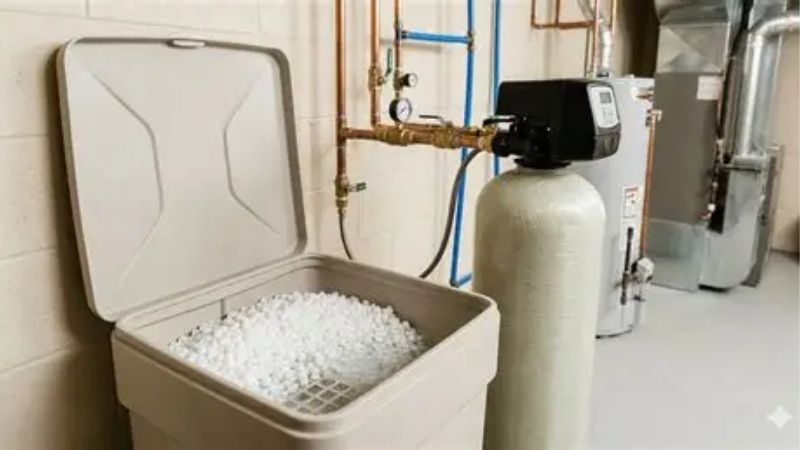
Whole-home solutions install at the point of entry, so salt-based softeners need space for a resin tank and a brine tank you refill with salt, plus a drain and usually a plumber, while salt-free conditioners are more compact with no brine tank. Point-of-use options like showerhead filters need no plumbing at all.
Confirm the footprint and connections, since a softener needs two tanks and a drain, a conditioner needs media housing, and a showerhead filter simply threads onto the fixture. A bypass valve is essential for whole-home units so the house has water during service, and freeze protection matters in a garage.
For renters or apartments, whole-home solutions are usually impractical, so a showerhead filter or a point-of-use conditioner is the realistic option. Homeowners should route drains properly, confirm septic compatibility for softener brine, and leave room to add salt or service the media as the chosen solution requires.
Softeners, Conditioners, And Descalers
Salt-based softeners truly soften by swapping hardness minerals for sodium through ion exchange, handling high hardness and delivering the slick feel of soft water. The trade-offs are salt refills, brine wastewater, a small sodium addition, and a metered regeneration cycle, so they suit homeowners who want genuine softening.
Salt-free conditioners crystallize hardness to reduce scale without removing minerals, avoiding salt, brine, and much maintenance, but water still tests hard and results differ from softening. They suit buyers who want low-maintenance scale control and to avoid sodium, provided they do not expect the fully softened feel.
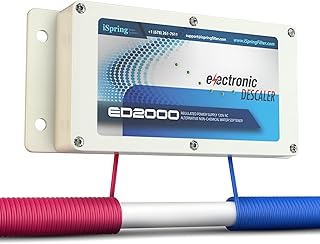
Descalers and point-of-use options round out the field, from electronic or magnetic devices that claim to reduce scale to showerhead filters that ease hard water where you bathe. Evidence for some electronic descalers is mixed, so weigh claims carefully, and treat point-of-use filters as targeted rather than whole-home solutions. Weighing the slick feel of softened water against low-maintenance conditioning is the core decision.
Six Hard Water Solutions Compared
These six span salt-based softeners, salt-free conditioners, descalers, and point-of-use options, so this hard water solutions guide can match an approach to your hardness and home. Each entry names a real drawback, because true softening and scale control differ, and the right choice depends on your water test, septic setup, and salt tolerance. Reading each drawback closely helps you choose softening or conditioning for your water.
| Solution | Type | Softens? | Best for |
|---|---|---|---|
| Salt-based softener | Ion exchange | Yes | True softening |
| Salt-free conditioner | Conditioning | No (scale control) | No-salt maintenance |
| Whole-house filter + softener | Combined | Yes (with softener) | Filtration + softening |
| Electronic/magnetic descaler | Descaler | No | Minimal install |
| Showerhead filter | Point-of-use | No | Renters, bathing |
| Portable/RV softener | Ion exchange | Yes | Travel, small use |
Salt-Based Softener For True Softening
A salt-based softener uses metered ion exchange to truly soften water, removing calcium and magnesium for the slick feel, spot-free dishes, and appliance protection soft water provides. For high hardness where you want genuine softening, it is the most effective approach.
The drawback is salt refills, brine wastewater to drain, a small sodium addition, and a professional install for most owners. Confirm septic compatibility for the brine, and size the unit to your hardness test so it regenerates efficiently rather than too often.
For true softening, a salt-based softener leads this guide. Test your hardness in gpg, size the resin and regeneration to your household, plan the drain and install, and confirm septic suitability, choosing it when genuinely soft water matters more than avoiding salt and maintenance. For very hard water, only ion exchange delivers the fully softened feel a conditioner cannot match.
Salt-Free Conditioner For No-Salt Maintenance
A salt-free conditioner crystallizes hardness to reduce scale without salt, brine, or wastewater, needing no regeneration and little upkeep. For buyers who want scale control with minimal maintenance and no sodium, the salt-free approach is appealing and compact.
The drawback is that it conditions rather than softens, so water still tests hard and results differ from ion exchange, and very hard water sees less benefit. Confirm your expectations, since scale reduction is not the same slick feel as fully softened water.
For no-salt maintenance, a salt-free conditioner is a strong pick here. Understand it reduces scale without removing hardness, confirm it suits your hardness level, and plan the install, choosing it when avoiding salt, brine, and upkeep matters more than true softening.
Whole-House Filter Plus Softener For Filtration And Softening
Pairing a whole-house filter with a softener addresses both contaminants and hardness, dechlorinating and softening every tap in one treatment train. For homes that want clean, soft water throughout, the combined approach covers taste and scale together.
The drawback is the higher cost and space of two systems, the salt and brine of the softener, and a more involved install. Confirm the certifications for the filtration stage and size the softener to your hardness, sequencing the two correctly at the point of entry.
For filtration and softening, the combined approach is a thorough pick here. Test your water for both contaminants and hardness, size and sequence the filter and softener, and plan the install and drain, choosing it when whole-home clean, soft water justifies two systems and their upkeep. For homes with both scale and contaminants, one treatment train handles them at the point of entry.
Electronic Or Magnetic Descaler For Minimal Install
Electronic and magnetic descalers clamp onto or wrap around the pipe, claiming to alter how scale forms without cutting into the plumbing, for a minimal install. For buyers wanting the least invasive option, the no-plumbing setup is the main appeal.
The drawback is that evidence for these devices is mixed and results vary, and they do not soften or remove hardness, so water still tests hard. Set expectations carefully, and treat them as a low-cost, low-effort experiment rather than a proven softener.
For minimal install, a descaler is a low-effort option here. Understand the mixed evidence and that it does not soften, keep expectations modest, and choose it only when a no-plumbing, low-cost approach matters more than the proven results of a softener or conditioner. Because the evidence is mixed, treat an electronic descaler as an experiment, not a guaranteed fix.
Showerhead Filter For Renters And Bathing
A showerhead filter threads onto the shower arm to ease hard water and reduce chlorine where you bathe, a no-plumbing option for renters. For those bothered by hard water in the shower, it is a simple, targeted way to improve bathing water.
The drawback is that it treats only the shower, does not soften the home, and the media exhausts and needs regular replacement. Confirm what it addresses, since a showerhead filter eases bathing water rather than solving whole-home hardness.
For renters and bathing, a showerhead filter fits this guide. Replace the media on schedule, treat it as a targeted bathing improvement, and choose it when easing hard water in the shower matters more than whole-home softening you cannot install in a rental. For a rental, easing hard water at the shower is often the only practical option available.
Portable Or RV Softener For Travel And Small Use
A portable or RV softener is a compact ion-exchange unit for travel trailers, RVs, or small point-of-use needs, regenerated manually with salt. For mobile or small-scale softening, it delivers true ion exchange in a portable form.
The drawback is a small capacity needing frequent manual regeneration, the salt handling, and limited flow for a whole home. Confirm the capacity suits your use, since a portable unit softens a limited volume before it needs regenerating again.
For travel and small use, a portable or RV softener is a practical pick here. Regenerate it with salt on schedule, match the capacity to your water use, and choose it when portable, true softening for an RV or small setup matters more than whole-home capacity.
See More:
- Best eyeshadow blender brush
- Best frozen foods for air fryer
- Best frozen food for air fryer
- Best way to reheat steak in air fryer
- Best air fryer recipes book
Choosing Your Hard Water Solution
The best of these hard water solutions for you starts with a hardness test, then a choice: salt-based softeners for true softening, salt-free conditioners for no-salt scale control, a filter-plus-softener combo for clean and soft water, and point-of-use showerhead or portable options where whole-home is impractical. Descalers are the least proven, so weigh their claims carefully.
Match the approach to your hardness, septic setup, and salt tolerance, plan the install and drain, and factor salt refills or media changes. Because hard-water frustration and appliance wear drive many of these purchases, timing varies, but the goal of this hard water solutions guide is the right approach, softening or conditioning, matched to your water and home. Test your hardness, pick the approach, and the right solution follows without much guesswork.