Key takeaways
Whole house filter cost is more than a sticker price, since the real number combines the system, the install, and the media you replace for many years, so this whole house filter cost guide breaks it down by tier. Below are six tiers with honest drawbacks, weighed on upfront, install, and ongoing cost.
Our top picks


 PUREPLUS 5 Micron 10"x4.5" Whole House Sediment
- Material: Coconut Shell Carbon,Polypropylene (PP)
- External Testing Certification: NSF 42 – Reduces aesthetic impurities
- Product Benefits: Removes Chlorine Sediment Vocs
Multi-layer carbon and PP design targets more contaminants
Rated for up to 30,000 gallons of filtered water
Compatible with several GE and Culligan filter housings
Needs replacing every three to six months
Performance depends on incoming water quality


As an Amazon Associate we earn from qualifying purchases at no extra cost to you.
As an Amazon Associate we earn from qualifying purchases.
By Daniel Foster
The Four Parts Of The Cost
A whole house filter’s true cost has four parts: the upfront system, the install, the ongoing filter or media, and any add-ons your water needs. Sorting these before you shop keeps whole house filter cost grounded in the total picture, since a cheap system with frequent cartridge changes can cost more over years than a pricier tank with long intervals.
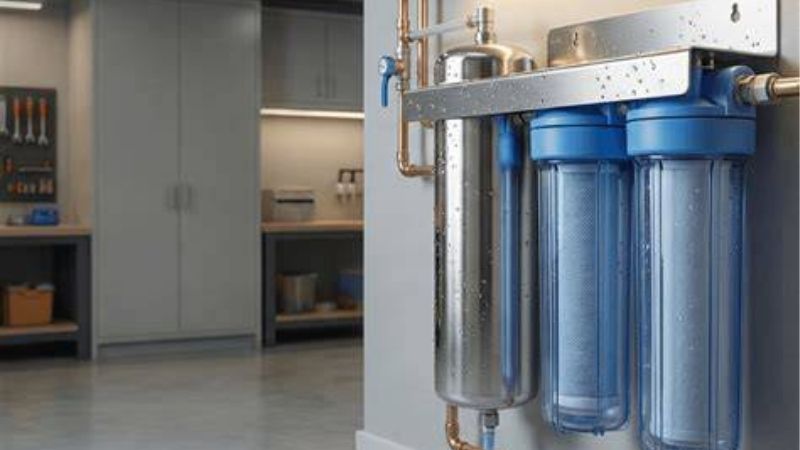
Whole House Cost Decision Numbers
The deciding factors are the upfront system price, the install cost (DIY versus a plumber), the ongoing filter or media cost and how often it is replaced, and any add-on stages your water test requires, all combining into the total cost of ownership over the system’s life.
Then compare on total cost, not sticker price, since a budget cartridge system with frequent changes can exceed a premium tank with multi-year media over time. Your water test also shapes cost, since chloramine, iron, or hardness add stages, so budget for what your water actually needs rather than a base system alone.
Confirm the install path, since a DIY-friendly system saves the plumber cost but demands comfort cutting into the main line, while a professional install adds cost but ensures a proper, leak-free setup. Factor a bypass, any drain for backwashing, and the long-term media schedule into the budget from the start. The real whole house filter cost is the total of system, install, media, and add-ons over years.
Placement, Space, And Fit
Cost is tied to placement, since a whole house filter installs at the point of entry and the space and plumbing route affect the install price. Confirm you have main-line space, a bypass, and access to service the system, since a tight or awkward location raises the install labor and cost.
Larger tank systems need clearance for the tank and any pre-filter housings, while cartridge systems need room to open housings, and a drain nearby helps systems that flush. A straightforward install location keeps the plumber’s time down, so factor the route and access into the total cost from the outset.
For a garage or unheated space, freeze protection adds cost, and a distant or buried main line raises labor. Homeowners should confirm the placement is accessible and the plumbing route reasonable before budgeting, since fit and access are hidden drivers of the whole house filter cost beyond the system price itself.
Upfront, Install, And Ongoing Cost
Upfront cost spans budget cartridge systems at the low end, mid-range carbon tanks in the middle, and premium catalytic or combined systems at the high end. Match the tier to your water and goals, since paying for a premium system you do not need wastes money, while an undersized budget one may disappoint.
Install cost depends on DIY versus a plumber, the plumbing route, and any add-ons like a bypass or drain. A DIY-friendly system saves labor if you are comfortable with the plumbing, while a professional install adds cost but reduces the risk of leaks and improper setup that could cost more later.
Ongoing cost is the part buyers underestimate, since cartridge systems need frequent, cheaper changes while tank media lasts years at a higher per-unit cost. Over the system’s life, the ongoing media often outweighs the upfront price, so factor the replacement schedule and cost to compare systems fairly on total cost. Comparing systems on the full lifetime figure is what prevents a cheap sticker from misleading you.
Six Cost Tiers Compared
These six span budget cartridge systems to premium combined setups, so this whole house filter cost guide can match a tier to your budget and water. Each entry names a real drawback, because the lowest sticker price is not always the lowest total cost, and the right tier depends on your water test, install path, and how you value long intervals.
| Tier | Upfront | Ongoing media | Best for |
|---|---|---|---|
| Budget cartridge system | Low | Frequent, cheaper | Lowest upfront |
| Mid carbon tank | Mid | Multi-year, moderate | Balanced value |
| Premium catalytic carbon | High | Long, higher per-unit | Chloramine, long life |
| Filter + softener combo | High | Media + salt | Hard water homes |
| Well multi-stage system | High | Multiple stages | Complex well water |
| Whole-house + RO add-on | High | Media + RO filters | Broad + drinking |
Budget Cartridge System For The Lowest Upfront
A budget cartridge system has the lowest upfront price and is often DIY-friendly, using replaceable sediment and carbon cartridges to cover basic city-water concerns. For the smallest initial outlay, it makes whole-house filtration accessible without a big investment.
The drawback is more frequent cartridge changes, so the ongoing cost adds up and can exceed a tank system over years, plus flow depends on sizing. Factor the replacement schedule, since the low sticker price is offset by regular cartridge purchases.
For the lowest upfront, a budget cartridge system leads this cost guide. Keep spare cartridges, track the change schedule, and size it for your flow, choosing it when a low initial price matters more than the long intervals and lower long-term cost of a tank system.
Mid Carbon Tank For Balanced Value
A mid-range carbon tank system balances a moderate upfront price with multi-year media, reducing chlorine and taste across the home with fewer changes than a cartridge system. For balanced value, it lowers the ongoing cost and effort over time.
The drawback is a higher upfront price than a cartridge system and usually a plumber for the install, plus it dechlorinates rather than softening. Confirm the certification and that the media life suits your water, since heavy chlorine or chloramine may need a catalytic upgrade.
For balanced value, a mid carbon tank is a strong pick here. Verify the certification, plan the install and bypass, and treat the multi-year media as a lower long-term cost, choosing it when balancing a reasonable upfront price against fewer changes matters most.
Premium Catalytic Carbon For Chloramine And Long Life
A premium catalytic carbon system carries a higher upfront price but uses catalytic media for chloramine and a long service life, treating every tap for years. For chloramine supplies and buyers wanting long intervals, the premium tier reduces changes and handles tougher disinfectants.
The drawback is the higher upfront and per-unit media cost, and a professional install for most owners. Confirm your utility uses chloramine to justify the catalytic media, since a standard carbon tank costs less if you only face free chlorine.
For chloramine and long life, premium catalytic carbon is a capable pick here. Confirm your disinfectant, plan the install and bypass, and value the long intervals against the higher cost, choosing this tier when chloramine handling and infrequent service justify the premium price.
Filter Plus Softener Combo For Hard Water Homes
A filter-plus-softener combo carries a high upfront cost for two systems, dechlorinating and softening the whole home, with ongoing media and salt costs. For hard-water homes wanting clean, soft water throughout, it addresses both concerns but at the highest combined cost.
The drawback is the upfront and install cost of two systems, the salt and brine of the softener, and more maintenance overall. Confirm your hardness and contaminants to size both correctly, since paying for softening you do not need wastes money.
For hard water homes, the combo is a thorough pick here. Test for both hardness and contaminants, size and sequence the filter and softener, and budget for media plus salt, choosing it when whole-home clean, soft water justifies the highest upfront and ongoing cost among these tiers.
Well Multi-Stage System For Complex Well Water
A well multi-stage system carries a high cost because it chains sediment, iron, carbon, and often UV stages to match a complex well, with ongoing costs across multiple stages. For demanding well water, the cost reflects the several stages needed to make it safe and clear.
The drawback is the high upfront, install, and ongoing cost of multiple stages, plus professional sizing and setup are common. Confirm your water test dictates each stage, since paying for stages your well does not need inflates the cost unnecessarily.
For complex well water, a multi-stage system is the necessary pick here. Start from a full lab test, size and sequence only the stages your water needs, and budget for each stage’s media and any UV lamp, choosing it when a demanding well justifies the higher multi-stage cost.
Whole-House Plus RO Add-On For Broad Plus Drinking
A whole-house system plus an under-sink RO add-on carries a high combined cost, dechlorinating every tap while delivering RO-purified drinking water at the kitchen. For buyers who want whole-home taste and the fullest drinking-water reduction, it layers two systems at a higher total.
The drawback is the upfront and ongoing cost of both the whole-house media and the RO membrane and filters, plus two installs. Confirm you want RO at the tap, since whole-house filtration alone suffices for many, and the RO add-on adds cost for drinking water specifically.
For broad plus drinking, the whole-house-plus-RO setup is a comprehensive pick here. Budget for both systems’ media, plan both installs, and confirm you want RO drinking water, choosing it when whole-home dechlorination plus the fullest drinking-water reduction justifies the highest layered cost.
See More:
- Best eyeshadow blender brush
- Best frozen foods for air fryer
- Best frozen food for air fryer
- Best way to reheat steak in air fryer
- Best air fryer recipes book
Budgeting Your Whole House Filter
The real whole house filter cost for you depends on the tier and your water: budget cartridge systems for the lowest upfront, mid carbon tanks for balanced value, premium catalytic for chloramine and long life, and combined filter-softener, well multi-stage, or RO add-on setups at the high end. Compare on total cost of ownership, not sticker price.
Factor the upfront system, the install path, the ongoing media schedule, and any add-ons your water test requires, since the long-term media often outweighs the initial price. Because underestimating ongoing filter costs is the most common budgeting mistake, planning for the full picture is key, and the goal of this whole house filter cost guide is a realistic total budget matched to your water and system.