Key takeaways
What's inside
When to replace water filter is a question every owner faces, since a filter past its life stops reducing contaminants while looking fine, so this when to replace water filter guide covers signs and schedules. Below are six filter types with honest drawbacks, weighed on ratings, warning signs, and indicators.
As an Amazon Associate we earn from qualifying purchases at no extra cost to you. Product prices and availability are accurate as of the date shown and are subject to change.


As an Amazon Associate we earn from qualifying purchases.
By Daniel Foster
Why Timing The Change Matters
A filter has a finite capacity, and once exhausted it quietly stops reducing contaminants, can harbor bacteria, and slows flow, so knowing when to change it is as important as buying it. Sorting the rated life, the warning signs, and any indicator by type first keeps when to replace water filter grounded in fact rather than guesswork or waiting until water tastes off.
Replacement Timing Decision Numbers
The deciding factors are the rated life (in gallons or months, varying by type), the warning signs (returning chlorine taste or odor, slower flow, or a rising TDS reading), whether the product has a change indicator, and the risk of overrunning, since a spent filter gives a false sense of safety. That hidden risk is why the schedule matters more than the taste test.
Then rely on the rating first, since gallons or months is more reliable than waiting for a taste change, especially for contaminants like lead that you cannot taste. Use warning signs as a backup, not the primary guide, since by the time taste returns the filter may have been underperforming for a while.
Confirm any indicator and your usage, since a filter-life indicator helps but assumes typical use, and heavy use exhausts a filter faster. Because you cannot sense many contaminants, never stretch a filter past its rated life to save money, since the reduction you paid for stops when the media is spent. The right answer to when to replace water filter starts with the rating, then the warning signs.
Placement, Space, And Fit
Easy access encourages timely changes, so place filters where you can reach them, since an under-sink or RO unit needs clearance to open housings and a fridge filter needs the grille or interior accessible. Awkward access makes a change more likely to be postponed past the point where the filter still works.
Keep spare filters and a membrane if due stored where you will find them, so a change is not delayed for lack of parts, and record model and part numbers for quick reordering. A shutoff valve and a nearby drain or bucket make changes cleaner, encouraging you to do them on time.
For whole-house systems, a bypass lets the home keep water during a change, and clearance makes service practical. Note each filter’s schedule where you store the spares, since a visible reminder alongside the parts is what keeps replacements from slipping past their due date.
Ratings, Signs, And Indicators
The rated life is your primary guide: pitchers and faucet filters last a month or two, under-sink carbon longer, RO membranes years with more frequent pre- and post-filters, whole-house tanks years, and fridge filters about six months. Track each by gallons or months and change on schedule.
Warning signs are a useful backup, since a returning chlorine taste or smell, a noticeable drop in flow, or a rising TDS reading on an RO system can indicate a spent filter. Treat these as prompts to check, not the main schedule, since some contaminants leave no taste or smell to warn you.
Indicators help but have limits, since a filter-life indicator counts time or volume against typical use and cannot sense your actual water quality. Use it alongside the rating and your usage, and for critical contaminants like lead, follow the schedule strictly rather than waiting for any sign, since you cannot detect them by taste.
Six Filter Types And When To Change Them
These six span pitchers, faucet mounts, under-sink carbon, RO, whole-house, and fridge filters, so this when to replace water filter guide can match timing to your setup. Each entry names a real drawback, because the right schedule varies by type, and overrunning any of them quietly ends the reduction you rely on. Reading each drawback helps you judge when to replace water filter for the type you own.
| Type | Typical life | Key sign | Indicator? |
|---|---|---|---|
| Pitcher / faucet | ~1-2 months | Taste returns | Often |
| Under-sink carbon | Longer (months) | Taste or slow flow | Sometimes |
| RO membrane + filters | Membrane years; filters months | Rising TDS | Some smart faucets |
| Whole-house tank | Years (media) | Taste return, pressure drop | Rarely |
| Fridge filter | ~6 months | Taste or slow dispense | Usually |
| Sediment pre-filter | Varies (load) | Pressure drop | Clear housing |
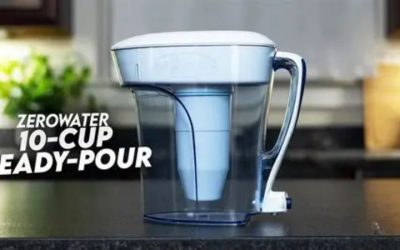
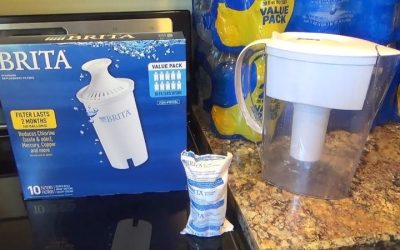
Pitcher And Faucet Filters
Pitchers and faucet mounts typically last a month or two, and many have an indicator, but the returning taste of chlorine is the common cue. For frequent, low-cost changes, timing is simple, though the short interval is easy to forget.
The drawback is that waiting for taste to return means the filter has already been underperforming, especially for contaminants you cannot taste. Track by date or use the indicator, and change on schedule rather than by taste alone.
For pitchers and faucet filters, change every month or two on schedule. Use any indicator as a backup, keep spares, and do not wait for taste to return, since the short life makes staying on schedule the reliable way to keep the reduction working. For safety, a dated note on the fridge is the simplest reminder for the short interval.
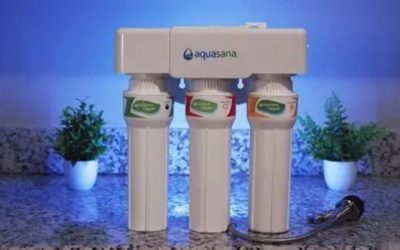
Under-Sink Carbon Filters
Under-sink carbon blocks last several months, with returning taste or a slower flow as signs, and some models include an indicator. For a longer interval, they need changing less often than pitchers, but the same principle applies: rating first, signs as backup.
The drawback is that a slow flow or taste change appears after the filter is already spent, and access under the sink can make changes feel like a chore. Keep spares and clearance, and change on the rated schedule.
For under-sink carbon, follow the months or gallons rating. Watch for taste or flow changes as a backup, keep spares on hand, and change on schedule, treating the longer interval as convenient while not letting the out-of-sight filter overrun its life.
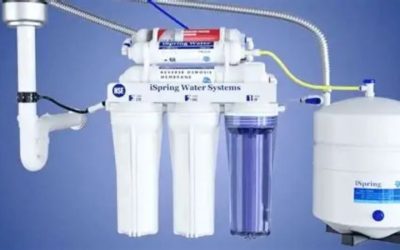
RO Membranes And Filters
RO systems change on a staged schedule: pre- and post-filters every several months, the membrane every few years, with a rising TDS reading as a key sign and some smart faucets indicating filter life. For thorough removal, timing each stage matters.
The drawback is the multiple stages on different schedules and that a rising TDS or taste change signals a spent membrane only after performance has dropped. Track each stage, and use a TDS meter to watch the membrane.
For RO, change pre- and post-filters on their schedule and the membrane every few years. Use a TDS meter or smart faucet as a backup, keep spares, and do not overrun the membrane, since a spent one lets dissolved solids through despite the system looking fine. For confidence, a TDS meter is the clearest way to catch a tiring membrane early.
Whole-House Tank Systems
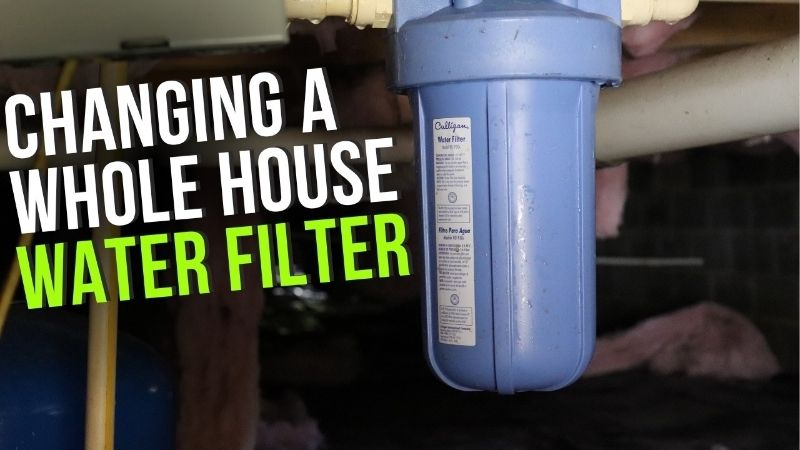
Whole-house carbon tanks last years, with a returning chlorine taste at the taps or a gradual pressure drop as signs, and rarely an indicator. For long intervals, they need changing infrequently, but tracking the multi-year schedule prevents overrunning the media.
The drawback is that by the time taste returns across the home the media is well spent, and there is usually no indicator. Note the install date and the media’s rated life, and swap any pre-filter regularly in between.
For whole-house tanks, track the multi-year media schedule. Watch for a taste return or pressure drop as a backup, swap the pre-filter regularly, and service the media on time, since the long interval makes a written reminder the reliable way to catch it. For the long interval, a calendar reminder beats waiting for taste to return.
Fridge Filters
Refrigerator filters usually last about six months, with a taste change or slower dispensing as signs and an indicator on most fridges. For a fixed schedule, they are simple, provided you match the exact model and change on time.
The drawback is that flow and taste worsen if you overrun the interval, and the indicator counts time rather than sensing water quality. Reset the indicator after changing, and do not stretch the filter past six months to save money.
For fridge filters, change about every six months. Use the fridge indicator as a reminder, match the exact part number, and reset the indicator after changing, treating the fixed schedule as easy while confirming fit each time to keep ice and water clean.
Sediment Pre-Filters
Sediment pre-filters vary by load, since silty water clogs them faster, with a pressure drop as the key sign and a clear housing letting you see when they are dirty. For variable timing, the visible dirt and pressure change guide the swap or flush.
The drawback is that the interval depends heavily on your water, so a fixed schedule is unreliable, and a clogged pre-filter chokes flow to the whole system. Use a clear housing, and flush a reusable screen or change a cartridge when flow drops.
For sediment pre-filters, watch the pressure and the clear housing. Flush a reusable spin-down or change a cartridge when it loads, and adjust the interval to your water, treating the pre-filter as the stage most tied to your sediment level rather than a fixed calendar. For clarity, a clear housing lets you look and decide when to flush or swap.
See More:
- Best eyeshadow blender brush
- Best frozen foods for air fryer
- Best frozen food for air fryer
- Best way to reheat steak in air fryer
- Best air fryer recipes book
Timing Your Filter Replacement
Knowing when to replace water filter depends on type: every month or two for pitchers and faucet filters, several months for under-sink carbon, staged changes for RO with the membrane every few years, years for whole-house tanks, about six months for fridge filters, and by load for sediment pre-filters. Follow the rating first, signs second.
Use indicators and warning signs as backups, keep spares on hand, and never overrun a filter for contaminants you cannot taste, like lead. Because a spent filter quietly stops reducing contaminants, staying on schedule is what keeps your water safe, and the goal of this when to replace water filter guide is the right timing for whatever filter you own.