Key takeaways
What's inside
activated carbon filters rely on high surface area adsorption to capture volatile organic compounds, chlorine, and odors. Choosing the right media requires evaluating NSF certifications, iodine adsorption numbers, and total replacement costs for domestic air and water treatment systems.
By Daniel Foster
As an Amazon Associate we earn from qualifying purchases.
Core Performance Metrics and Adsorption Benchmarks
Evaluating filtration media demands examining technical adsorption specifications rather than relying on unverified manufacturer claims. Understanding how porous structures trap contaminants ensures optimal residential air and water quality improvements across varying household environments.
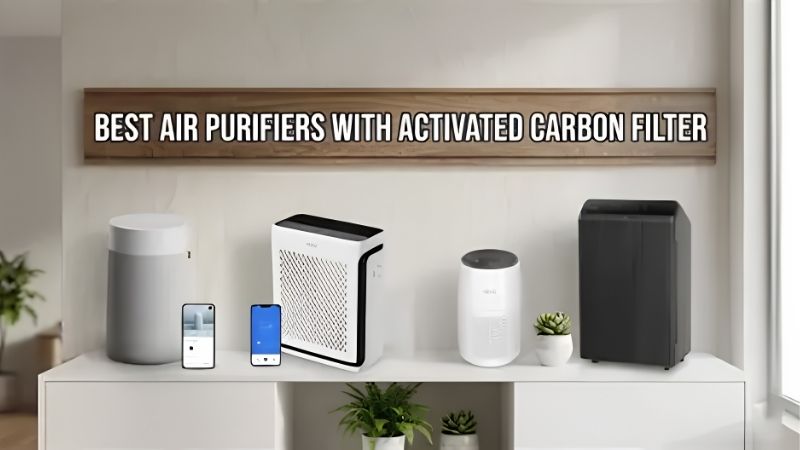
Iodine Number and Internal Surface Area Standards
The iodine number serves as a primary benchmark for evaluating carbon quality, measuring micro-pore capacity per gram. Higher ratings between 1000 and 1100 mg per gram indicate superior adsorption capability for removing microscopic chemical compounds and gaseous pollutants.
Internal surface areas frequently exceed one thousand square meters per single gram of media. This extensive microscopic network allows activated carbon filters to trap thousands of different organic molecules effectively without restricting fluid movement or overall airflow rates.
NSF Certifications for Contaminant Reduction
Certification standards established by NSF International provide objective verification of chemical reduction capabilities. Standard 42 validates chlorine, taste, and odor reduction, while Standard 53 addresses heavy metals, lead, and volatile organic compounds reliably.
Consumers must verify specific contaminant claims against official certifications rather than assuming universal filtration. Testing data confirms exact percentages of reduction for chemical pollutants under controlled laboratory conditions defined by standardized protocols.
Flow Rates, Pressure Drops, and Airflow Resistance
Fluid dynamics play a critical role when designing filtration systems that incorporate dense carbon beds. Water systems experience pressure drops requiring adequate incoming line pressure, whereas air purifiers face increased static pressure and fan load.
Balancing particle retention against acceptable flow velocity prevents premature pump burnout or excessive fan noise. Manufacturers optimize granule size and binder density to maintain steady operational throughput throughout the recommended replacement cycle.
Comparing Granular Activated Carbon Versus Carbon Blocks
Different physical configurations dictate how filtration media interacts with passing liquids or gases. Selecting between granular beds and solid blocks depends on targeted contaminant profiles, system pressure constraints, and required structural integrity.
Granular Activated Carbon Media for General Odors
Granular activated carbon consists of loose particles that offer high fluid permeability and rapid flow rates. This loose configuration makes it ideal for handling general household odors, volatile organic compounds, and chlorine reduction in standard setups.
However, granular beds can experience channeling where liquid or air carves preferential pathways through the media. This phenomenon reduces contact time and lowers overall filtration efficiency unless internal baffles or distributors are properly engineered.
Solid Carbon Block Filters for Advanced Water Purification
Solid carbon blocks compress pulverized carbon particles with binding agents into a rigid, highly porous cylinder. This dense matrix provides absolute sub-micron particulate filtration alongside chemical adsorption, preventing any liquid bypass effectively.
These dense cartridges excel at trapping cysts, turbidity, and heavy particulates alongside dissolved organic chemicals. Because water must force its way through microscopic tortuous paths, contact efficiency reaches maximum levels during everyday operation.
Impregnated Carbon Options for Specialized Chemical Absorption
Specialized chemical applications often require carbon media treated with catalytic metals or chemical impregnates. These modified surfaces enhance the capture of specific inorganic gases, hydrogen sulfide, ammonia, and formaldehyde in demanding spaces.
Industrial and heavy residential settings utilize these enhanced treatments to neutralize stubborn reactive compounds. Regular untreated media would fail to adsorb these specific chemical pollutants efficiently without the specialized chemical bonding assistance.
| Media Type | Iodine Number | NSF Standard | Primary Application |
|---|---|---|---|
| Granular Activated Carbon | 900 – 1000 mg/g | NSF 42 | General odor & chlorine |
| Solid Carbon Block | 1000 – 1100 mg/g | NSF 42 & 53 | Lead & VOC reduction |
| Impregnated Carbon | 1050+ mg/g | Custom / Industrial | Hydrogen sulfide & gases |
| Extruded Carbon Mesh | 950 – 1050 mg/g | NSF 42 | Air purifier inserts |
Space, Physical Fit, and Integration Requirements
Physical dimensions dictate installation feasibility across various residential cabinets and appliance chassis. Ensuring adequate spatial clearance prevents costly compatibility mistakes during routine maintenance and annual cartridge swap procedures.
Under-Sink Clearances and Housing Dimensions
Under-sink multi-stage filtration units require careful measurement of vertical cabinet clearance and plumbing depth. Standard housings measure between 10 and 20 inches in height, demanding adequate room for wrench clearance during annual filter replacement.
Plumbing connections and auxiliary booster pumps add extra spatial requirements beneath kitchen basins. Homeowners must verify available floor space to accommodate manifold brackets and tubing loops without kinking incoming water supply lines.
Appliance Footprint and Air Purifier Compartment Fit
Air purification units rely on precise cartridge dimensions to seal tightly against internal airflow framing. Gaps around poorly fitting replacement activated carbon filters allow polluted air to bypass media beds entirely, reducing room effectiveness.
Checking manufacturer part numbers and physical thickness specifications prevents air leaks and motor strain. Proper compression against rubber gaskets ensures that every cubic foot of air passes through the porous carbon matrix as engineered.
Measure Housing Depth Before Ordering Replacement Media
Measuring existing housing depths and canister diameters prior to ordering prevents frustrating return processes. Minor dimensional variations between generic aftermarket replacements and OEM cartridges can prevent proper lid sealing and unit closure.
Taking precise physical measurements with a digital caliper ensures seamless compatibility across diverse appliance brands. Always confirm O-ring positions and thread counts when purchasing alternative carbon configurations for older filter systems.
Long-Term Maintenance, Costs, and Durability Factors
Calculating the total cost of ownership involves evaluating replacement frequency, seasonal demand surges, and regulatory standards. Understanding maintenance intervals helps homeowners budget effectively for ongoing air and water purification upkeep.
Replacement Schedules and Cumulative Annual Costs
Filter lifespan depends heavily on local contaminant loads, daily usage volumes, and household environmental conditions. Standard carbon cartridges typically require replacement every six to twelve months to prevent saturation and bacterial growth.
Annual maintenance costs range from forty dollars for basic pitcher pods up to one hundred fifty dollars for multi-stage blocks. According to the EPA in 2026, anticipating seasonal demand peaks during wildfire and pollen surges prevents supply shortages.
Common Structural Failure Points and Saturation Limits
Activated carbon reaches a distinct saturation point where adsorption sites are completely filled by captured molecules. Once exhausted, filters can no longer capture pollutants and may even release previously trapped contaminants back into streams.
Physical cracking of plastic housings, O-ring degradation, and bacterial slime accumulation represent primary failure modes. Routine visual inspections and adhering strictly to manufacturer replacement schedules prevent unexpected leaks or efficiency drops.
Warranty Coverage and Manufacturer Replacement Policies
Hardware warranties generally cover housing manifolds and electronic indicators for one to three years against defects. Consumable carbon cartridges are typically excluded from long-term warranties due to their inherent wear-and-tear operational nature.
Purchasing certified replacement components preserves system integrity and maintains warranty eligibility for connected assemblies. Retail discount cycles during Amazon Prime Day in late June offer reliable opportunities to stock up on genuine filters.
See More:
- Best eyeshadow blender brush
- Best frozen foods for air fryer
- Best frozen food for air fryer
- Best way to reheat steak in air fryer
- Best air fryer recipes book
Final Recommendations on Selecting Activated Carbon Filters
Choosing the right activated carbon filters requires matching iodine numbers, NSF certifications, and physical dimensions to specific household requirements. Prioritizing verified adsorption capacity ensures dependable performance for clean air and water.
Whether managing stubborn indoor odors or reducing chemical contaminants, proper maintenance schedules dictate long-term success. Always measure housing specifications carefully and utilize seasonal discount windows to optimize ongoing replacement budgets.