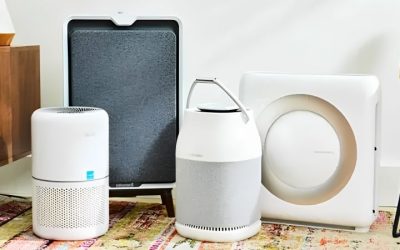
Clean indoor air guide advice is often a wall of jargon, when what you really need is a simple path to a healthier room. This clean indoor air guide walks through the few specs that decide results, then shows how to match a purifier to your space, budget and household triggers without overpaying for features you will never use.
As an Amazon Associate we earn from qualifying purchases.
Our top picks
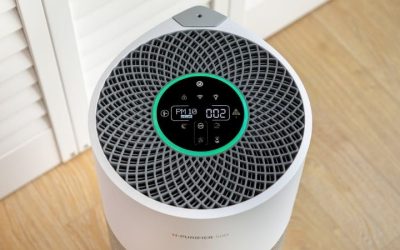
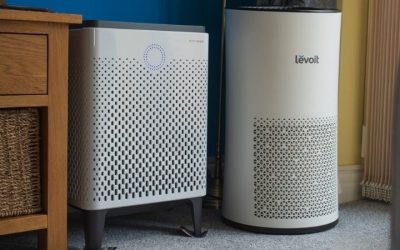
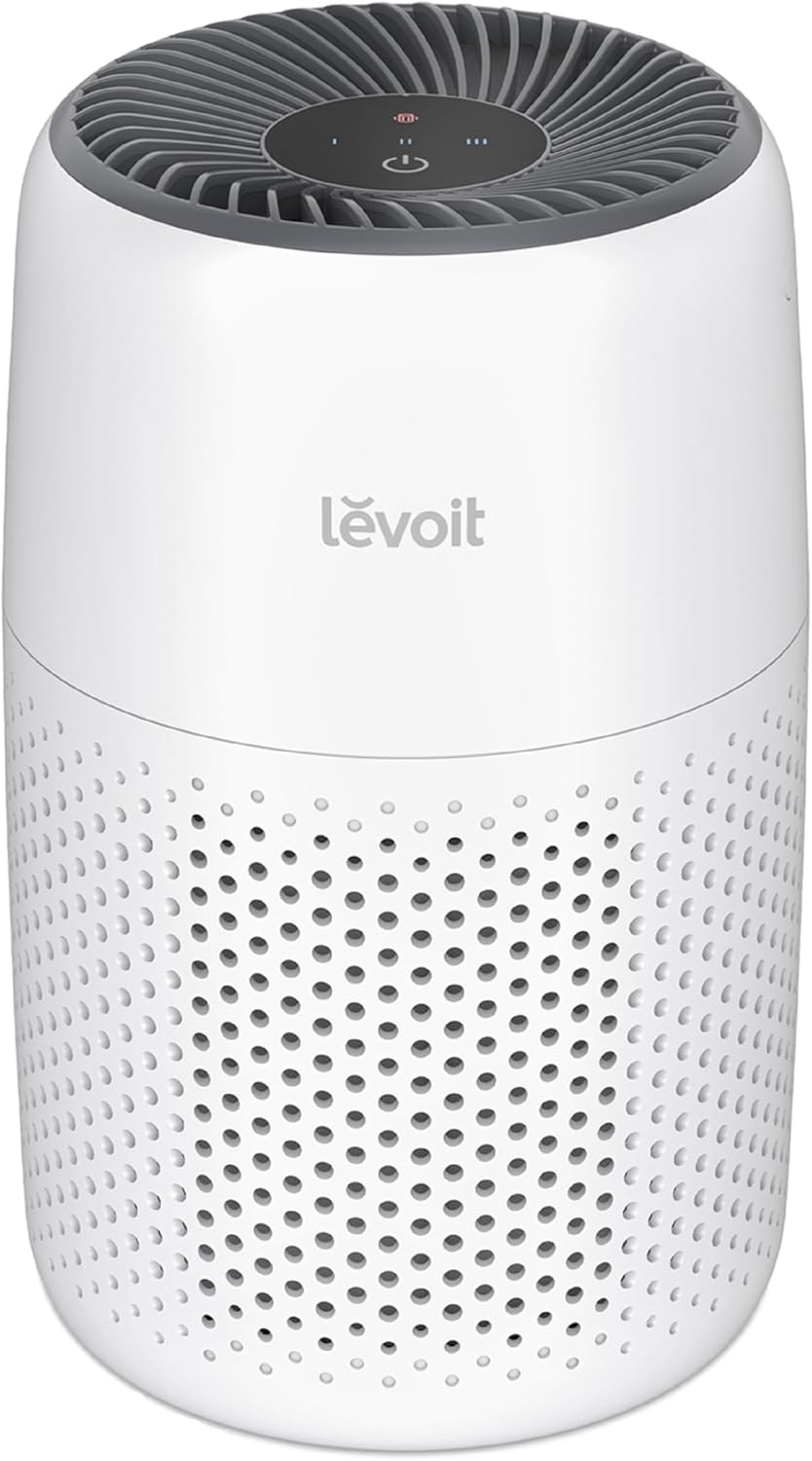
 Levoit Air Purifier for Home Pets Hair
- Power Source: Corded Electric
- Control Method: Touch
- Filter Type: 3 in 1 Filtration
Covers up to 1073 square feet on one unit
Operates as quiet as 24 decibels in sleep mode
Captures 99.97 percent of particles down to 0.1 microns
Requires genuine Levoit replacement filters for proper performance
Corded electric design needs a nearby wall outlet
 LEVOIT Smart Air Purifier for Home Large
AHAM-verified performance covers rooms up to 1875 square feet
U-shaped inlet pulls in pet hair and odors efficiently
Designed specifically to filter allergens like pollen and dander
Stands nearly 20 inches tall, needing dedicated floor space
Listing does not specify the exact CADR number


As an Amazon Associate we earn from qualifying purchases at no extra cost to you.
By Daniel Foster
Understanding the Numbers That Drive Clean Indoor Air
Before comparing models, learn the handful of figures that actually matter. Get these right and the shopping part becomes easy, because you will filter out unsuitable units immediately instead of being swayed by long feature lists that do not change the air you breathe at home.
| Room size (approx.) | Target coverage at 4-5 ACH | Typical unit class |
|---|---|---|
| Up to 220 sq ft (bedroom) | 200-250 sq ft | Compact HEPA |
| 220-450 sq ft (office/den) | 400-500 sq ft | Mid HEPA + carbon |
| 450-800 sq ft (living room) | 600-800 sq ft | Large HEPA + carbon |
| 800+ sq ft (open plan) | 1,000+ sq ft | High-CADR / dual filter |
The decision numbers: CADR and air changes
CADR rates how quickly a purifier clears smoke, dust and pollen, while air changes per hour tells you how often it recycles a room’s air. This clean indoor air guide leans on coverage quoted at 4 to 5 ACH, the range allergy sufferers should target for genuine, noticeable relief at home.
A common mistake is trusting coverage listed at 1 ACH, which inflates the room size a unit can truly manage. Read the ACH behind any coverage claim, then pick a machine whose rating comfortably exceeds your square footage so it can run quietly on a mid setting most of the time.
Use the table above as a starting point, then buy a little extra headroom for your worst season. A slightly oversized unit reaches the same air quality at a lower fan speed, which means less noise, longer filter life and better performance on high-pollen or smoky days.
Why True HEPA and carbon both matter
True HEPA captures 99.97% of particles at 0.3 microns, the range that carries pollen, dust and much of what makes smoke visible. Avoid “HEPA-type” media, which does not meet that standard, and treat genuine True HEPA as the non-negotiable baseline for any purifier worth buying today.
Activated carbon handles what HEPA cannot: odors, cooking smells and some gases. A combined stack is the practical default for most homes, and the more carbon a unit holds, the better it manages smoke and the lingering kitchen or pet smells that particles alone never explain.
Certifications are your shortcut to trust. Look for verified True HEPA and reputable third-party testing rather than vague percentage claims, and be wary of any machine that promises to “remove everything” without naming the specific pollutants and particle sizes it is actually rated to capture.
What a purifier can and cannot do
Honesty is part of any clean indoor air guide. A purifier reduces airborne particles, but it does not replace ventilation or fix the source of a problem like mold or a leaking gas appliance, and it cannot cure allergies or asthma no matter how the box is worded.
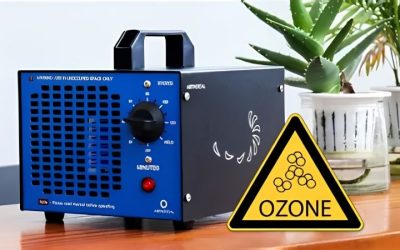
Skip ozone generators entirely, since ozone is a lung irritant that should never run in an occupied room. Any ionizing feature can emit trace ozone too, so if you are sensitive, rely on mechanical HEPA and carbon and leave ionizers off rather than trusting them for cleaning.
Set realistic expectations for results. A well-sized unit lowers dust, pollen and smoke you can measure, but it works best alongside source control and fresh air, so think of it as one strong tool in a healthy-home routine rather than a single fix for every concern.
Sensors, auto modes and smart features
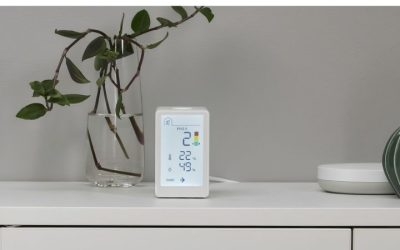
A built-in air quality sensor lets a purifier run on auto, ramping the fan up during cooking or a pollen spike and dropping it when the room is clean. This clean indoor air guide rates that feature highly for busy homes, since it removes the guesswork of adjusting speeds by hand all day.
App control and scheduling add convenience but rarely change filtration quality, so weigh them as nice-to-haves rather than deciding factors. A simple, sensor-equipped machine often beats a fully connected one if the connected model cuts corners on CADR, carbon or filter value to fund its extras.
Watch for smart units that bury an ionizer inside an “auto” mode. If ozone concerns you, confirm you can disable any ionizing step and still run pure mechanical HEPA and carbon, so the automation works for you without adding anything you would rather keep switched off entirely.
Matching a Purifier to Your Home and Habits
With the numbers understood, the next step in this clean indoor air guide is fitting a unit to your actual life: your room, your household triggers and the running costs you will carry every year. Work through these before you settle on a specific model or brand.
Space and fit: sizing to your room
Measure the room and compare it to coverage at 4 to 5 ACH, not the headline number. For an open plan, a single strong unit placed centrally beats two small ones, and you should leave clearance around the intake so airflow is never choked by a wall, sofa or curtain.
Placement is part of performance. Keep the purifier away from walls and heavy furniture, position it where you spend the most time, and remember that a bedroom needs a quieter unit than a living room where daytime noise from a higher fan speed matters far less.
Think about the footprint on the floor as well as the coverage. High-CADR machines are physically large, so confirm the dimensions fit your chosen spot before ordering, especially in a small apartment where a tall tower has to share space with existing furniture.
Household triggers: allergies, pets and smoke
Your triggers steer the spec. Pet owners and allergy sufferers benefit from extra carbon and a higher pollen CADR, while homes near wildfire zones or with smokers should prioritize smoke CADR so the unit keeps pace on the worst air-quality days of the year.
Seasonal spikes are real drivers here. Spring pollen, late-summer wildfire haze and winter flu season all raise the value of a well-matched purifier, so size for your worst case rather than an average day to avoid running the fan maxed out when it matters most.
Households with children or vulnerable members may want a sensor and auto mode. That way the machine responds to spikes on its own, ramping up during cooking or when outdoor air worsens, without anyone having to remember to adjust the fan speed by hand each time.
Running costs and the filter subscription
The sticker price is only part of the total. Filters are a recurring cost, so this clean indoor air guide treats them like a subscription: check replacement price, cadence and whether they are proprietary before you fall for a cheap machine with expensive cartridges down the line.
A washable pre-filter extends the main HEPA’s life and lowers annual spend. Compare the yearly filter bill across your shortlist, since a mid-tier unit with affordable replacements can beat a bargain machine whose brand-locked filters quietly cost more over three years of ownership.
Timing helps the budget. Big purchases and filter multi-packs often drop the most during Prime Day in late June and Black Friday in November, so planning around a major sale can effectively upgrade you by a tier or stock spare filters for the same money.
Noise levels and where you will run it
Noise decides whether a purifier actually stays on. Check the decibel rating at the speed you will use most, not just the whisper-quiet lowest setting, since a machine that is loud at the level it needs to clean your room is one you will end up switching off at night.
Match the unit to the room’s role. A bedroom rewards a quiet machine you can sleep beside, while a living room or kitchen tolerates a higher fan because daytime noise matters less, so this clean indoor air guide suggests buying for the loudest realistic setting you will run.
Oversizing helps here again. A purifier with headroom hits your target air quality at a lower, quieter speed, which is why matching CADR generously to the room pays off twice: cleaner air and a fan you barely notice through an evening or a full working day at home.
Frequently Asked Questions
Before you buy, here are quick answers to the questions that come up most often when people first start improving the air in their home.
What is the single most important spec to check?
Coverage at 4 to 5 air changes per hour, matched to your room size, matters more than any feature. Get that right and the purifier can actually clean your space, so start there before comparing sensors, apps or styling that do not change filtration.
Can a purifier help with allergies?
A well-sized True HEPA unit measurably lowers airborne pollen, dust and pet dander, which many allergy sufferers find helpful indoors. It is not a medical treatment or a cure, though, so pair it with source control and see a doctor for any ongoing symptoms.
Where should I place the unit?
Put it where you spend the most time, away from walls and heavy furniture so airflow is not choked. In an open plan, a central spot serves the whole zone best, and keeping the intake clear lets the machine hit the coverage its rating promises.
See More:
- Best eyeshadow blender brush
- Best frozen foods for air fryer
- Best frozen food for air fryer
- Best way to reheat steak in air fryer
- Best air fryer recipes book
Final Thoughts From This Clean Indoor Air Guide
Cleaner indoor air is mostly about matching CADR and coverage to your room, insisting on True HEPA plus carbon, and budgeting honestly for filters over the year. Skip ozone gimmicks, size for your worst season rather than your calmest day, and place the unit where you breathe most. Follow this clean indoor air guide and you can choose a purifier with confidence, knowing the specs, not the marketing, are doing the real work.