ozone air purifier dangers involve serious respiratory risks from lung-irritating gas emissions marketed falsely as fresh air fresheners. Understanding these hidden biological hazards helps you choose certified mechanical air purifiers that trap airborne pollutants safely.
As an Amazon Associate we earn from qualifying purchases.
By Daniel Foster
Understanding Ozone Air Purifiers Dangers and Indoor Risks
Evaluating residential air treatment requires looking past marketing claims to examine chemical emissions and filtration mechanics. When analyzing ozone air purifier dangers, homeowners must prioritize respiratory safety and certified particulate capture standards.
The Hidden Mechanisms Behind Ozone Generation
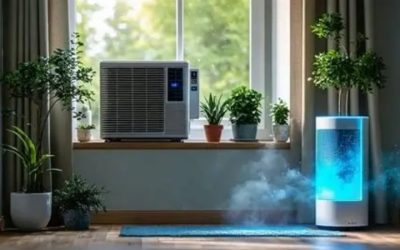
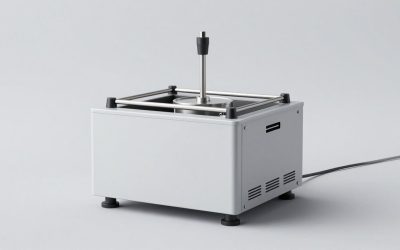
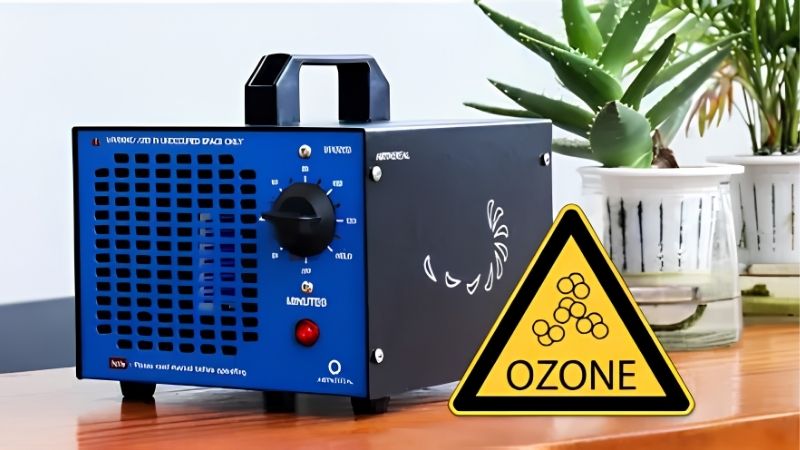
Certain specialized air-treatment devices are intentionally designed to generate ozone as part of their operating process. Unlike conventional mechanical air purifiers, which physically capture particles inside filter media, ozone generators attempt to alter pollutants through chemical oxidation. Understanding this distinction is essential when evaluating ozone air purifier dangers, because the cleaning mechanism itself introduces a reactive gas into the indoor environment.
Ozone is a triatomic form of oxygen, consisting of three oxygen atoms rather than the two atoms found in ordinary atmospheric oxygen. Its additional oxygen atom makes the molecule highly reactive. This chemical reactivity is the primary reason ozone can interact with certain odor-producing compounds and other substances in the air.
Our top picks
 Levoit Air Purifier for Home Pets Hair
- Power Source: Corded Electric
- Control Method: Touch
- Filter Type: 3 in 1 Filtration
Covers up to 1073 square feet on one unit
Operates as quiet as 24 decibels in sleep mode
Captures 99.97 percent of particles down to 0.1 microns
Requires genuine Levoit replacement filters for proper performance
Corded electric design needs a nearby wall outlet

 VOOPNU Air Purifiers for Home
- Effortless Operation: Simplified control panel with intuitive design…
- Compact Yet Powerful: Covers up to 1,076 ft²…
- 360° Airflow & High Efficiency Filtration: The elegantly…


 Purivortex Air Purifiers for Bedroom
- Cleaner Air In Minutes: Purivortex is proven to…
- Breathe Easier with 99.97% Filtration: Purivortex HEPA air…
- Bigger Filter, Better Purification: Purivortex goes beyond the…

As an Amazon Associate we earn from qualifying purchases at no extra cost to you.
Ozone Concentration, Indoor Chemistry, and Secondary Pollutants
The potential impact of ozone depends on concentration, exposure duration, ventilation, room volume, temperature, humidity, and the presence of other reactive chemicals.
A small room with limited ventilation can allow ozone to accumulate more readily than a large, well-ventilated environment. Continuous operation can further increase cumulative exposure, particularly when users remain inside the treated space.
Indoor chemical reactions can also continue after the ozone-producing device has been switched off. Ozone that remains in the air can react with compounds on surfaces or in the atmosphere, while newly generated reaction products may persist for longer periods.
Health Impacts and Clinical Respiratory Warning Signs
The most significant concern associated with ozone exposure is its effect on the respiratory system. Because ozone is highly reactive, inhalation can cause oxidative injury to tissues lining the respiratory tract.
When ozone enters the airways, it can react with biological molecules and trigger inflammatory responses. This can irritate the nose, throat, and bronchial passages and may affect the normal functioning of the lungs.
Common symptoms associated with ozone exposure can include coughing, throat irritation, chest discomfort, wheezing, and shortness of breath. The severity of symptoms depends on exposure concentration, duration, individual susceptibility, and existing respiratory health.
A person may not immediately recognize that a purifier is responsible for these symptoms. Ozone itself has a distinctive smell at certain concentrations, but relying on smell is not a dependable safety method. People can also become accustomed to an odor over time, while the underlying exposure continues.
Why Sensitive Occupants Require Extra Caution
Households with multiple occupants may have different levels of susceptibility to indoor pollutants. One person may tolerate an environmental exposure relatively well while another experiences symptoms quickly.
This makes ozone-generating devices especially difficult to manage in homes. A concentration that does not immediately bother one occupant may still be problematic for another.
Bedrooms, nurseries, living rooms, and home offices are also environments where people can spend many consecutive hours. Even relatively low-level exposure can become more relevant when the exposure period is prolonged.
For these reasons, consumers should prioritize technologies that clean indoor air without intentionally increasing concentrations of a reactive gas. Mechanical particle filtration provides a much more straightforward risk profile for routine occupied-room use.
Regulatory Standards and Safe Certification Limits
Government agencies and independent testing organizations establish standards and recommendations intended to limit human exposure to indoor ozone. These requirements are important because consumers cannot reliably determine ozone output simply by looking at a product’s appearance or marketing claims.
Electrical appliances that incorporate ionization, corona-discharge, or other ozone-producing mechanisms may have different emission characteristics depending on their design. Some products may intentionally generate ozone, while others may produce ozone unintentionally as a byproduct.
Certification can therefore provide an additional layer of protection. However, consumers should understand what a certification actually evaluates rather than assuming that every product carrying a generic safety label has been tested for every aspect of air quality.
Comparative Breakdown of Safe Mechanical Air Treatment Units
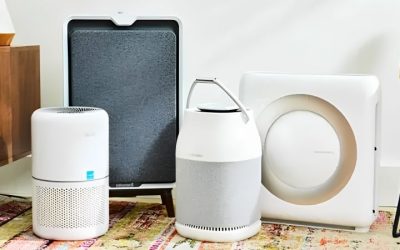
For consumers concerned about ozone air purifier dangers, the simplest alternative is to prioritize air-cleaning systems that rely primarily on mechanical filtration rather than intentionally generating reactive gases.
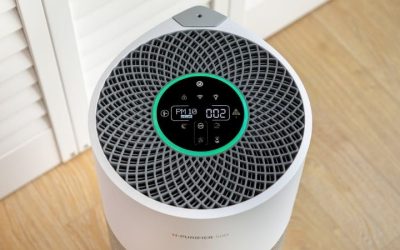
Mechanical air purifiers work by drawing room air through one or more filter layers. Larger particles may be intercepted by a pre-filter, while finer particles are captured by a high-efficiency filter. Activated carbon can be incorporated when odor or certain gaseous pollutants are also a concern.
This approach does not require the deliberate introduction of ozone into the occupied environment. It also provides a more measurable framework for comparing performance because airflow and filtration specifications can be evaluated independently.
A well-designed mechanical purifier should therefore be judged according to several practical metrics, including CADR, filter efficiency, room coverage, noise, energy consumption, filter replacement requirements, and operating cost.
CADR Ratings and Clean Air Delivery Rates
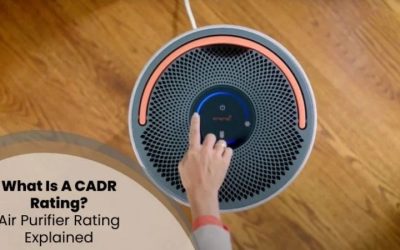
Clean Air Delivery Rate, or CADR, is one of the most useful specifications when comparing residential air purifiers. Rather than focusing exclusively on the theoretical efficiency of the filter material, CADR provides an indication of how quickly the complete appliance can deliver cleaned air.
A purifier can have an extremely efficient filter but still perform poorly in a large room if the fan does not move enough air through that filter. Conversely, a high-airflow system with inadequate filtration may also fail to provide the desired cleaning performance.
This is why consumers should consider filtration efficiency and airflow together.
CADR values are commonly provided for categories such as smoke, dust, and pollen. These measurements allow consumers to compare different models using standardized performance information rather than relying solely on marketing terms.
Room Coverage and Physical Footprint Considerations
Physical dimensions are another important factor when selecting a residential air cleaner. A purifier must not only have sufficient filtration capacity but also fit into the intended room without restricting airflow or creating an obstruction.
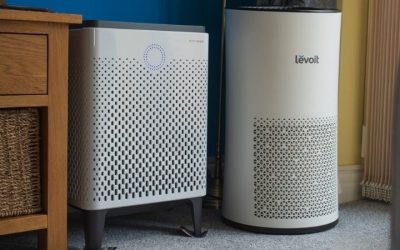
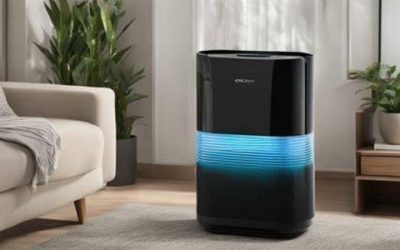
Tower-style air purifiers are often designed to minimize floor-space requirements while maintaining substantial internal filter area. Compact cylindrical or rectangular designs can work particularly well in bedrooms, apartments, and home offices where floor space is limited.
However, a smaller physical footprint should not be confused with unlimited cleaning capacity. Compact appliances typically have smaller fans and filter surfaces, which can limit their maximum airflow compared with larger units.
Before ordering, measure the room’s length and width and calculate its approximate floor area. For rooms with unusually high ceilings, consider total air volume as well. Open-concept layouts require additional caution because the effective area being served may be considerably larger than the nominal dimensions of one section of the room.
Filter Replacement, Maintenance, and Long-Term Reliability
Mechanical filtration does not eliminate the need for maintenance. As filters capture airborne particles, they gradually accumulate material and become more resistant to airflow.
A heavily loaded filter can reduce airflow, increase fan workload, and decrease the purifier’s effective clean-air delivery. This means that replacing filters at appropriate intervals is an important part of maintaining performance.
Replacement frequency varies according to operating conditions. Homes with pets, smokers, heavy cooking, frequent dust exposure, or elevated outdoor pollution may require more frequent filter changes than cleaner environments.
Mechanical Filtration Versus Chemical Air Treatment
The key distinction between these approaches is the mechanism used to reduce pollution.
Mechanical filtration physically removes particles from the air. Chemical approaches such as ozone generation attempt to transform contaminants through oxidation. Both mechanisms are fundamentally different, and the safety considerations are therefore different as well.
For occupied residential environments, mechanical filtration provides a more predictable strategy for reducing airborne particles without intentionally adding reactive gases.
This does not mean that mechanical filtration solves every indoor-air problem. Particle filters are primarily designed for particulate matter, while activated carbon is needed when odor and certain gaseous contaminants are a priority. Ventilation and source control remain essential for pollutants that cannot be adequately addressed by filtration alone.
The most effective residential strategy is therefore usually a combination of source control, appropriate ventilation, and properly sized mechanical air filtration.
By understanding ozone air purifier dangers and comparing them with measurable mechanical-filtration metrics such as CADR, room coverage, filter efficiency, operating noise, and maintenance costs, consumers can make a more informed decision without relying on aggressive chemical treatment technologies.
Top Certified Mechanical Air Purifier Selections
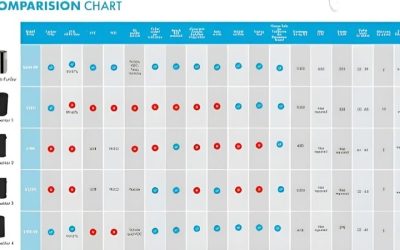
To help you replace hazardous uncertified units, our buying guide compares leading mechanical air filtration towers available today. The structured specification table below outlines essential performance metrics across top-tier HEPA models for safe home environments.
| Model | Primary Technology | Coverage | Max Airflow | Sound Range | Filtration Standard | Power Consumption | Best Suited For |
|---|---|---|---|---|---|---|---|
| TrueAir HEPA Tower 700 | Mechanical Filtration | 400 sq ft (37 m²) | 620 cfm (292 L/s) | 25 – 55 dB | HEPA H13 + Carbon | 8 W – 45 W | Bedrooms & Living Rooms |
| PureClean Pro 900 | Sealed HEPA System | 500 sq ft (46 m²) | 710 cfm (335 L/s) | 28 – 58 dB | True HEPA + K-Carbon | 10 W – 60 W | Large Open Spaces |
| AeroPure Elite 500 | Mechanical Air Cleaner | 350 sq ft (33 m²) | 550 cfm (259 L/s) | 24 – 52 dB | HEPA H13 + Pre-filter | 6 W – 38 W | Compact Apartments |
| CleanBreath Tower 300 | Dual-Stage Mechanical | 300 sq ft (28 m²) | 480 cfm (226 L/s) | 22 – 50 dB | True HEPA Media | 5 W – 35 W | Nurseries & Offices |
These vetted appliances utilize medical-grade mechanical media to capture 99.97 percent of microscopic airborne pollutants safely. Operating pure mechanical filters eliminates chemical emission worries while maintaining superior indoor air quality year-round.
Practical Deployment and Long-Term Operational Durability
Long-term operational success depends on proper maintenance routines, seasonal adaptability, and robust mechanical construction. Evaluating ozone air purifier dangers highlights why durable mechanical motors and seal integrity matter more than temporary chemical masking tricks.
Seasonal Wildfire Smoke Surges and Residential Air Sealing
Late summer and autumn across North America increasingly trigger severe wildfire smoke episodes, causing hazardous regional particulate spikes. During extreme smoke events, running sealed mechanical HEPA units inside tightly closed homes prevents toxic soot infiltration.
Consumer demand for reliable air cleaners peaks during seasonal wildfires and spring pollen surges, frequently depleting retail stock. Securing units ahead of seasonal crises ensures uninterrupted indoor protection without resorting to risky uncertified chemical generators.
Filter Replacement Schedules and Hidden Maintenance Costs
Genuine True HEPA and activated carbon filters require replacement approximately once every twelve months under standard residential usage. Budgeting for annual filter cartridge subscriptions ensures your motor maintains proper airflow resistance and particulate capture efficiency.
Neglecting routine filter changes forces internal blower motors to work harder, accelerating mechanical wear and increasing electrical consumption. Transparent ongoing maintenance expenses prevent unexpected performance drops and maintain pristine indoor air purity over years.
Brushless Motor Reliability and Common Mechanical Failure Points
Modern brushless DC motors are engineered to endure over 40,000 continuous operational hours before experiencing component fatigue. However, optical dust sensors can accumulate fine debris over time, occasionally triggering false readings in automated fan modes.
Periodic vacuuming of internal sensor intake ports every six months prevents calibration drift and maintains accurate air quality tracking. Robust manufacturer warranties covering internal electronics offer essential peace of mind against unexpected motor control failures.
Frequently Asked Questions About Air Cleaning Safety
Addressing common inquiries regarding air cleaning technology clarifies the vital distinction between safe filtration and chemical emissions. Understanding ozone air purifier dangers empowers consumers to ask informed questions before purchasing indoor environmental hardware.
Do ozone generators remove pet odors and smoke safely?
While ozone oxidizes chemical molecules to mask stubborn odors temporarily, it does so by creating hazardous lung-irritating gas byproducts. Safe mechanical air cleaners utilize activated carbon layers to absorb odors permanently without chemical risks.
How can I identify if my current air cleaner produces ozone?
Check product specifications for terms like ionizer, electrostatic precipitator, or active oxygen generator, and look for CARB certification. Certified safe units explicitly state they produce zero ozone emissions during standard operation.
Are ionizers safe to run continuously in closed bedrooms?
Standard ionic purifiers emit low-level electrical charges that can generate trace ozone quantities, posing respiratory risks in unventilated rooms. Health agencies strongly advise avoiding any continuous indoor ionizer use in sleeping areas.
See More:
- Best eyeshadow blender brush
- Best frozen foods for air fryer
- Best frozen food for air fryer
- Best way to reheat steak in air fryer
- Best air fryer recipes book
Final Verdict: Protecting Your Home From Ozone Air Purifier Dangers
Navigating ozone air purifier dangers requires avoiding unverified chemical generators in favor of certified mechanical True HEPA systems. Prioritizing verified CADR delivery and safe particle capture protects respiratory health effectively without toxic chemical gas emissions.