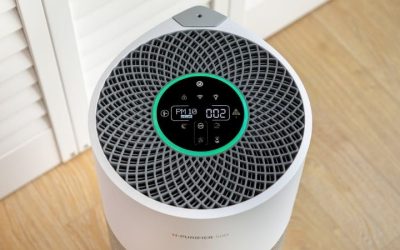
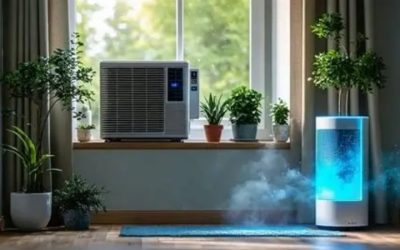
Smart air quality sensor technology has become indispensable for modern homeowners seeking detailed, real-time insights into indoor pollutants, volatile organic compounds, and environmental comfort levels. Maintaining a healthy living space requires precise tracking of invisible airborne irritants, allowing you to automate ventilation systems and protect your household effectively.
As an Amazon Associate we earn from qualifying purchases.
By Daniel Foster
Understanding Indoor Metrics and Selection Criteria
Selecting the ideal device for your home environment involves analyzing precise measurement capabilities, sensor longevity, connectivity protocols, and practical integration features.
Decisive Metrics and Sensor Arrays
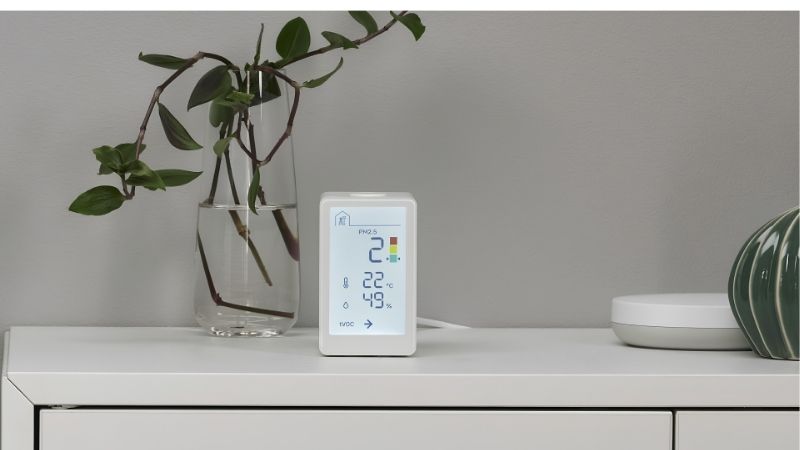
A reliable smart air quality sensor must accurately track critical parameters including PM2.5, PM10, carbon dioxide, volatile organic compounds, and ambient temperature and humidity levels. Advanced laser scattering technology ensures particulate matter readings remain precise during daily cooking or cleaning activities.
Electrochemical cells and nondispersive infrared technology provide dependable gas detection for CO2 and VOC concentrations. Homeowners should evaluate sensor drift specifications and check whether the device offers manual or automatic calibration features to maintain long-term data accuracy across changing seasons.
Understanding these core metrics ensures you can identify sudden pollution spikes immediately, helping you trigger connected air purifiers or ventilation fans before indoor air quality degrades significantly in living spaces.
Footprint and Room Placement Compatibility
Evaluating physical dimensions ensures that your chosen monitor fits seamlessly into your room layout without obstructing walkways, power outlets, or aesthetic decor elements. Compact desktop models suit small bedrooms and home offices, whereas wall-mounted units require secure installation brackets.
Maintaining adequate clearance around intake vents is critical for ensuring uninterrupted airflow and preventing localized heat buildup that can distort temperature and humidity readings. Carefully measuring your available space prevents awkward placements that compromise monitoring efficiency.
Furthermore, consider portable configurations with built-in rechargeable batteries if you plan to move the device frequently between living areas, nurseries, and sleeping quarters throughout the day and night.
Market Context and Seasonal Considerations
Seasonal shifts, wildfire smoke events, and home maintenance routines heavily influence indoor environmental management strategies throughout the year. During late summer wildfire seasons and high pollen spring months, particulate pollution surges dramatically, driving a massive increase in demand for monitoring hardware.
Major retail sales events, such as Amazon Prime Day in mid-summer and Black Friday in late November, provide excellent opportunities to acquire high-end monitoring equipment at discounted price points. Planning purchases around annual calendar milestones maximizes savings on essential smart home health appliances.
Maintaining vigilant tracking during winter months when homes remain tightly sealed ensures your household stays prepared for sudden spikes in indoor pollutants and carbon dioxide levels year-round.
Top Recommendations for Advanced Indoor Monitoring
Exploring top-rated environmental monitoring devices helps you compare performance tiers, sensor accuracy, and connectivity ecosystems across different budget categories.
AirThings View Plus Radon and PM Monitor
The AirThings View Plus features a comprehensive sensor suite tracking radon, PM2.5, carbon dioxide, humidity, temperature, and VOCs with exceptional laboratory-grade precision. Its customisable E-Ink display provides clear, at-a-glance readings without emitting distracting light during nighttime operation in bedrooms.
Connectivity options include Wi-Fi and smart home hub integration via a dedicated mobile application, offering historical data graphs and remote alerts when pollution thresholds are exceeded. The unit operates on battery power or USB-C, ensuring flexible placement anywhere in your home environment.
A notable drawback is its higher price point compared to basic single-parameter monitors, making it a substantial investment for homeowners seeking complete environmental oversight.
PurpleAir Touch Air Quality Monitor
The PurpleAir Touch utilizes dual laser particle counters to measure PM1.0, PM2.5, and PM10 particulates simultaneously, offering high-frequency data updates directly to local networks and cloud servers. This robust device features an integrated RGB LED ring that changes color based on current local air pollution loads.
Users can access detailed historical charts through web dashboards and connect the sensor to various home automation platforms for automated HVAC triggering. Its solid build quality and reliable sensor longevity make it a favorite among tech enthusiasts and environmental researchers alike.
However, the device lacks built-in carbon dioxide and VOC detection sensors, meaning users focused on chemical vapors will need supplementary monitoring equipment.
Kaiterra Laser Egg + Chemical
The Kaiterra Laser Egg + Chemical provides targeted tracking of PM2.5 particles, volatile organic compounds, temperature, and humidity using optical laser scattering technology. Its crisp OLED screen displays real-time AQI numbers clearly, accompanied by intuitive status indicators for immediate visual feedback.
Integration with Apple HomeKit, Amazon Alexa, and Google Assistant allows seamless inclusion in automated home routines, turning on purifiers when air quality drops. The compact cylindrical design fits easily on nightstands and office desks without taking up excessive space.
A primary disadvantage is the relatively short internal battery life when operating on wireless mode, requiring frequent recharging or permanent connection to a USB power source.
Eve Room Smart Indoor Air Quality Monitor
The Eve Room focuses heavily on VOC tracking, temperature, and humidity, utilizing advanced sensors from Sensirion to deliver highly accurate environmental readings. Built exclusively for Apple HomeKit ecosystems, it communicates via Thread and Bluetooth for fast, secure, and responsive local smart home automation.
The high-contrast E-Ink display ensures readability from various viewing angles while consuming minimal battery power, resulting in months of operation on standard replaceable batteries. Its anodized aluminum chassis adds a premium, minimalist aesthetic to any modern workspace.
A key limitation is its incompatibility with non-Apple ecosystems, restricting Android users and Alexa-centric households from utilizing its advanced connectivity features.
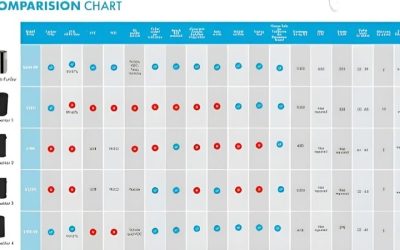
In-Depth Feature Comparison
| Model Name | Primary Sensors | Display Type | Ecosystem Support |
|---|---|---|---|
| AirThings View Plus | Radon, PM2.5, CO2, VOC, Temp, Humidity | Custom E-Ink | Alexa, Google, IFTTT |
| PurpleAir Touch | PM1.0, PM2.5, PM10, Temp, Humidity | RGB LED Ring | Web API, Local Network |
| Kaiterra Laser Egg + Chemical | PM2.5, VOC, Temp, Humidity | OLED Screen | HomeKit, Alexa, Google |
| Eve Room | VOC, Temp, Humidity | E-Ink Panel | Apple HomeKit, Thread |
Operation, Maintenance, and System Reliability
Ensuring long-term reliability requires understanding sensor maintenance routines, potential hardware limitations, and operational best practices for residential environments.
Sensor Calibration and Data Drift Management
Over extended operational periods, environmental sensors can experience data drift due to dust accumulation on optical lenses or chemical degradation in gas-sensing elements. Periodic outdoor baseline calibration helps maintain reading accuracy, preventing false alarms and ensuring dependable automation triggers.
Homeowners should regularly wipe down external ventilation grills with a dry microfiber cloth to prevent particulate blockages from interfering with internal airflow sensors. Ignoring basic maintenance can lead to inaccurate pollution readings and premature hardware failure over years of continuous use.
Reviewing manufacturer guidelines for firmware updates ensures your device benefits from optimized algorithm adjustments and improved wireless connectivity security protocols.
Ecosystem Integration and Offline Functionality
Modern smart home devices rely heavily on stable Wi-Fi connections or local mesh protocols like Zigbee and Thread to communicate with companion mobile applications. Ensuring your router provides robust coverage prevents frustrating dropouts and ensures continuous data logging without missing pollution events.
While cloud connectivity offers convenient remote monitoring, selecting models that support local API access or offline automations guarantees functionality during unexpected internet service outages. Evaluating compatibility with major automation platforms protects your smart home investment against future software deprecation.
Always verify power requirements and battery backup options to maintain environmental monitoring during severe weather events or local power grid interruptions.
Frequently Asked Questions
How often should environmental sensors be calibrated?
Most commercial monitors self-calibrate automatically over time, but manual zero-point calibration in clean air every twelve months ensures maximum long-term accuracy.
Can monitors detect all types of indoor air pollution?
No single device measures every pollutant; you must choose a unit specifically equipped with sensors matching your primary concerns, such as PM2.5 or VOCs.
Do these devices require a monthly subscription fee?
Most consumer-grade monitors provide free app access and local data logging without mandatory monthly subscription fees for basic real-time viewing.
Why do readings fluctuate suddenly during cooking?
Cooking activities release microscopic grease droplets and combustion gases that register immediately as elevated PM2.5 and VOC levels on sensitive optical sensors.
See More:
- Best eyeshadow blender brush
- Best frozen foods for air fryer
- Best frozen food for air fryer
- Best way to reheat steak in air fryer
- Best air fryer recipes book
Conclusion
Integrating a reliable smart air quality sensor empowers you to take control of your indoor environment with precise, data-driven insights. By carefully evaluating sensor parameters, room placement, and maintenance requirements, you ensure a healthier, more comfortable living space for your household for years to come.
Our top picks


As an Amazon Associate we earn from qualifying purchases at no extra cost to you.