
Best air purifier indoor plant rooms face a problem ordinary living rooms do not: damp potting soil, mould spores, fungus gnats and fine dust from repotting. This guide ranks seven machines on HEPA capture, carbon depth, tolerance of higher humidity and noise, so a collection of greenery does not become an air quality liability.
As an Amazon Associate we earn from qualifying purchases.
Our top picks


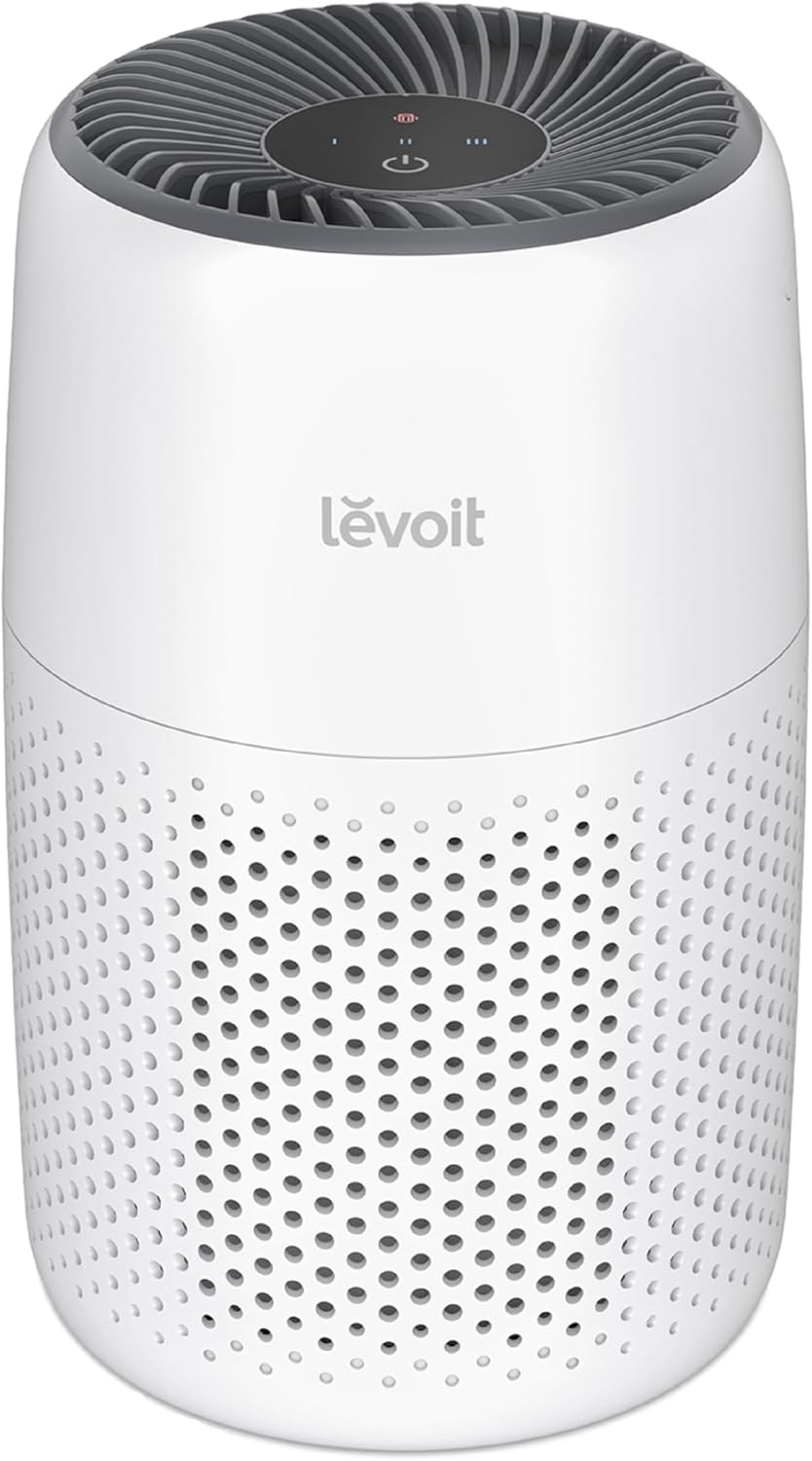
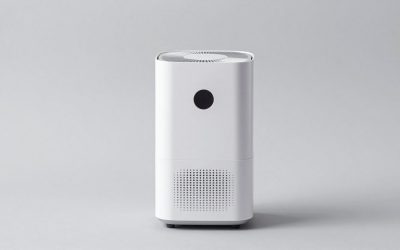
 LEVOIT Air Purifier for Home Allergies and
- Power Source: Corded Electric
- Control Method: Touch
- Filter Type: 3 in 1 Filtration
Covers up to 1073 square feet on one unit
Operates as quiet as 24 decibels in sleep mode
Captures 99.97 percent of particles down to 0.1 microns
Requires genuine Levoit replacement filters for proper performance
Corded electric design needs a nearby wall outlet


As an Amazon Associate we earn from qualifying purchases at no extra cost to you.
By Daniel Foster
Why a Plant Room Needs Different Filtration
A room holding twenty pots behaves differently from an empty one. Humidity runs higher, organic material sits exposed in every container, and every watering session releases a small amount of airborne material. Filtration choices should follow those conditions rather than generic advice.
HEPA Rating, CADR and Coverage: The Numbers That Decide It
True HEPA media captures 99.97 percent of particles at 0.3 microns, which brackets most mould spores in the two to ten micron range comfortably. Anything marketed as HEPA-type or HEPA-like uses a looser standard and should be avoided where spores are the concern.
Clean air delivery rate then determines how fast the room turns over. A rating near 240 cfm produces roughly four to five air changes per hour in a 350 square foot room, and a dense plant room benefits from the higher end of that band because organic sources are continuous rather than occasional.
Coverage figures should always state the air change rate assumed. A unit advertised for 1,500 square feet at two changes per hour is a weaker choice for this duty than one rated for 400 square feet at five, and the second figure is what matters when spores are being generated daily.
Space and Fit: Working Around Shelves and Pots
Plant rooms are crowded, which makes intake geometry the deciding practical factor. A 360-degree cylindrical design tolerates a position among shelving far better than a front-intake box that needs a clear face and a foot of open floor ahead of it.
Leaves are the hidden obstruction. Foliage drooping over a grille reduces throughput exactly as a curtain would, so give the machine a clear column of space and check clearance again after a growing season, when the pothos has moved.
Humidity, Carbon and What Filters Face Here
Higher ambient humidity shortens filter life. Media absorbs moisture, which encourages growth on the filter itself in extreme cases and reduces carbon capacity for odour. Rooms kept above roughly 60 percent relative humidity should expect shorter replacement intervals.
Carbon depth matters more than in a typical living room, because damp soil produces a persistent earthy odour that thin carbon-coated fabric cannot hold. Look for pellet or granular carbon measured by weight rather than a token coated layer.
Seven Machines for Plant-Dense Rooms
The best air purifier indoor plant rooms need is one that prioritises spore capture, carbon depth and tolerance of crowded placement, and the seven below are ordered by the duty they suit rather than by price. Each entry lists one genuine weakness. Figures are manufacturer specifications combined with pooled long-term owner reports, not in-house testing.
1. Alen BreatheSmart 45i — Mould and Spore Focus
Alen offers a filter option specifically aimed at mould and bacteria, layering antimicrobial treatment over true HEPA media. Coverage suits a large plant room and the automatic sensor responds to particle spikes during watering or repotting.
It sits at the premium end and the specialised filter costs more than a standard replacement. The unit is also physically large, which is awkward in a room already full of shelving.
2. Winix 5500-2 — Deep Carbon on a Budget
The thick carbon pellet layer handles the earthy note of damp soil better than almost anything at this price, alongside a true HEPA stage and a washable pre-filter that catches the coarse debris a plant room generates constantly.
The front intake needs clear floor space, which competes with pots. Top speed is loud, and the PlasmaWave function is of limited value though it can be switched off.
3. Levoit Core 400S — Crowded Room Geometry
The 360-degree intake is the key feature here, drawing from all sides so shelving on three faces does not cripple performance. Coverage near 403 square feet at 4.8 air changes per hour suits a converted spare room.
The sealed three-layer cartridge means carbon saturation forces replacement of otherwise serviceable HEPA media, which raises cost in a humid room where carbon exhausts faster.
4. Coway Airmega AP-1512HH — The Reliable Middle
Balanced filtration, responsive automatic mode and an eco setting that idles the fan in clean conditions. Coverage around 361 square feet fits most plant rooms, and long-term reliability reports are consistently good.
Carbon depth is moderate rather than deep, so persistent soil odour may outlast the filter. The ioniser defaults to on after a power cut.
5. Blueair Blue Pure 211i Max — Quiet High Turnover
Moves a large volume at low noise, which matters in a room where you spend time potting and reading rather than passing through. Bottom-to-top airflow works well in an open central position.
The wide footprint claims real floor space, and proprietary filters sit above average in price. It also needs clearance underneath, so it cannot go on carpet pile.
6. Honeywell HPA300 — Heavy Dust Loads
Repotting season generates coarse dust that overwhelms small machines. High throughput and three HEPA panels handle that load without a long recovery time, and mechanical controls survive power interruptions unchanged.
Carbon is limited to a thin pre-filter, so odour control is weak. The unit is bulky and audible at higher settings.
7. Rabbit Air MinusA2 — Wall Mounted Above the Shelves
Mounting on the wall removes the floor-space conflict entirely, which in a dedicated plant room is the single most valuable property. A customisable filter layer can be specified for odour or germ concerns.
Installation is permanent and requires anchoring plus a nearby outlet. Purchase and filter costs are both high relative to the category.
| Model | Intake geometry | Carbon depth | Approx. coverage | Best for |
|---|---|---|---|---|
| Alen BreatheSmart 45i | Front | Moderate | Large room | Mould-focused filtration |
| Winix 5500-2 | Front | Deep pellet | 360 sq ft (33 m2) | Soil odour on a budget |
| Levoit Core 400S | 360 degree | Moderate | 403 sq ft (37 m2) | Crowded shelving |
| Coway AP-1512HH | Front and side | Moderate | 361 sq ft (34 m2) | Reliable all-rounder |
| Blueair 211i Max | Bottom to top | Moderate | Large open plan | Quiet high turnover |
| Honeywell HPA300 | Front | Thin | 465 sq ft (43 m2) | Repotting dust |
| Rabbit Air MinusA2 | Front panel | Customisable | Up to 815 sq ft (76 m2) | Wall mounting |
Filter prices and model availability change often, so verify both at the moment of purchase.
Managing the Room, Not Just Filtering It
A machine handles airborne particles. It does not fix the conditions producing them, and a plant room responds well to a few source-control habits that reduce the filtration load considerably. Pairing the best air purifier indoor plant rooms allow with better watering discipline works better than either alone.
Reducing Spores at Source
Persistently wet topsoil is the main culprit. Allowing the top inch to dry between waterings suppresses both surface mould and fungus gnat breeding, and a layer of coarse grit or horticultural sand as topdressing physically blocks the cycle.
Airflow helps as much as filtration. A small oscillating fan running on low keeps air moving between pots, which lowers the humidity sitting directly above the soil surface where growth begins. Group pots loosely rather than packing them tight.
Filter Life and What Fails First
Pre-filters clog fastest in this environment, loading with leaf debris and coarse soil dust within weeks. Vacuum monthly; the habit preserves HEPA throughput and is the single highest-value maintenance action available.
Carbon exhausts silently and faster than the manufacturer interval suggests when humidity runs high. Expect to replace filters closer to the short end of the stated range, and price a full year of consumables before choosing a model with proprietary cartridges.
Warranty terms separate the motor and housing from the filters, which count as consumables and are excluded. Confirm the electrical safety listing too, and check that replacement media is still stocked for the model rather than discontinued shortly after launch.
Seasonal Demand and Buying Timing
Plant rooms peak in activity through spring repotting and again in autumn when specimens come indoors from patios, both of which raise airborne loads sharply. Heating season then dries the room and shifts the problem from spores to dust.
On purchasing, the deepest promotion in this category clusters around Prime Big Deal Days in early October and the Black Friday and Cyber Monday period at the end of November, which conveniently precedes the closed-window months.
Frequently Asked Questions
These are the questions plant keepers ask most often when choosing the best air purifier indoor plant collections actually need.
Will a purifier kill fungus gnats?
The best air purifier indoor plant keepers can buy captures some adults that fly into the intake, but it does not address larvae in the soil. Drying the top layer, using sticky traps and adding grit topdressing are the effective interventions; filtration is a supporting measure.
Does a purifier dry out my plants?
Not meaningfully. It moves air rather than removing moisture, and the small increase in evaporation from leaf surfaces is comparable to a ceiling fan. Position it so the outlet does not blast directly onto delicate foliage.
Should I run a dehumidifier instead?
Only if the room sits consistently above roughly 60 percent relative humidity, where mould risk rises. Below that, filtration addresses the airborne fraction while watering discipline addresses the source, and a dehumidifier would fight the plants themselves.
Does an ultraviolet stage help with spores?
On the best air purifier indoor plant rooms need, contact time in a domestic unit is very short, so the practical benefit is limited compared with mechanical capture. A genuine HEPA filter physically removes spores from circulation, which is the more reliable mechanism.
See More:
- Best low price dash cam
- Projector screens at Best Buy
- Best buy projector screens
- Best projector for games
- Best projector for gaming
Final Thoughts on the Best Air Purifier Indoor Plant Setup
Choosing the best air purifier indoor plant rooms need means prioritising true HEPA capture, real carbon depth and an intake geometry that survives crowded shelving. Coverage should be rated at four or more air changes per hour for the actual floor area, not a generous headline figure.
Measure the room, count the outlets, and check clearance around the intake with the plants in their final positions. Then pair the machine with drier topsoil and gentle air movement, because the cheapest spore control is preventing spores rather than filtering them.

Write Your Review
No reviews yet. Be the first to share your experience!