Key takeaways
What's inside
HEPA filter guide standards dictate how residential air purifiers capture fine particulate matter, pollen, and pet dander across indoor spaces. We examine verified Clean Air Delivery Rates, true recurring filter replacement expenses, operational sound levels, and mechanical durability to help you invest wisely in cleaner air.
By Daniel Foster
As an Amazon Associate we earn from qualifying purchases.
Understanding Mechanical Filtration and Technical Standards
Navigating technical specifications requires a comprehensive hepa filter guide to separate marketing jargon from certified engineering performance. Modern filtration systems rely on strict mechanical media standards to trap microscopic pollutants safely without generating secondary ozone hazards.
Decisive Category Metrics: CADR and Efficiency Ratings
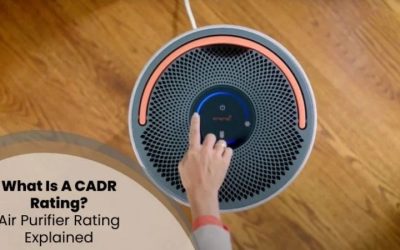
A definitive hepa filter guide must prioritize Clean Air Delivery Rate metrics measured in cubic feet per minute or cubic meters per hour across smoke, dust, and pollen. This standardized metric establishes the volume of purified air delivered continuously, enabling direct performance evaluations against competing units.
Verified CADR ratings ensure that indoor spaces achieve optimal air turnover rates every twelve minutes under maximum fan operation. When evaluating specifications, consumers should verify independent laboratory certifications to confirm that listed airflow numbers match real-world operational capacity.
| Filtration Media | Capture Efficiency | Target Particulate Size | Ozone Production | Typical Lifespan |
|---|---|---|---|---|
| True HEPA (H13) | 99.97% | Down to 0.3 Microns | Zero (100% Ozone-Free) | 6 to 12 Months |
| HEPA-Type Media | 85.00% – 95.00% | Above 1.0 Micron | Zero | 6 Months |
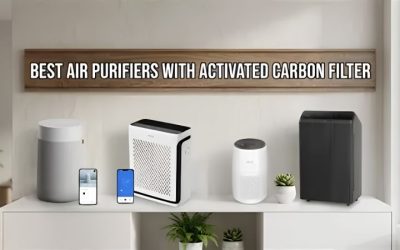
| Activated Carbon | Varies (VOC/Gas) | Gaseous Pollutants | Zero | 6 Months |
True HEPA Versus Ambiguous Marketing Classifications
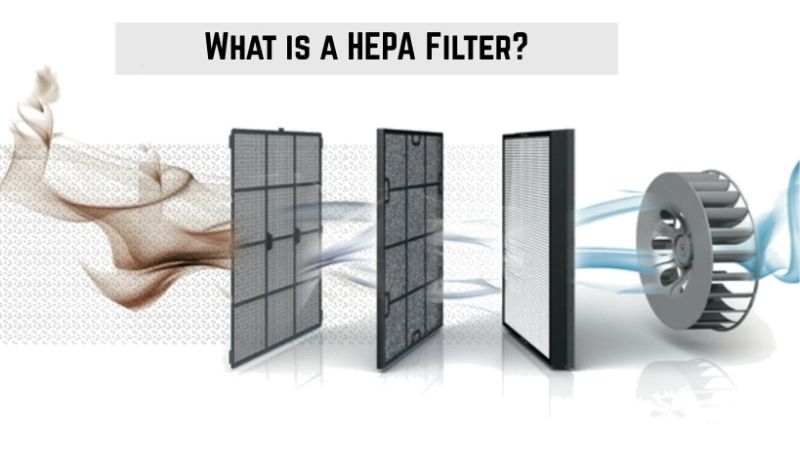
Understanding filtration grades requires distinguishing certified mechanical True HEPA media from ambiguous expressions like HEPA-type or permanent filters. True HEPA components capture 99.97% of airborne particles down to 0.3 microns, whereas lesser alternatives allow significant particulate bypass through loose fiber gaps.
Manufacturers using misleading labels often omit crucial laboratory testing data, leaving residential buyers vulnerable to diminished particulate capture efficiency. Selecting certified mechanical media prevents premature saturation and ensures reliable pollutant retention over extended operating intervals.
Particle Capture Mechanics Down to Micron Levels
Microscopic particulate capture relies on a dense matrix of randomly arranged fibers that intercept, impinge, and diffuse airborne contaminants effectively. Fine dust, smoke plumes, and mold spores become trapped within the tangled web while clean air passes through with minimal static pressure resistance.
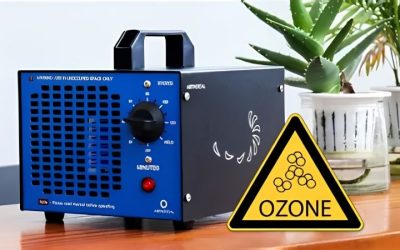
Unlike electrostatic precipitators that can produce harmful ozone traces as a byproduct, mechanical media operates entirely ozone-free. This physical filtration mechanism maintains healthy indoor environments safely, complying with strict air quality standards established by regulatory agencies.
Spatial Planning and Room Coverage Calculations
Proper spatial integration forms a core pillar of any practical hepa filter guide, ensuring that selected purification units match actual room dimensions. Installing an undersized air cleaner in a large living area severely degrades air exchange frequency, leaving indoor allergens suspended indefinitely.
Space and Spatial Fit for Residential Environments
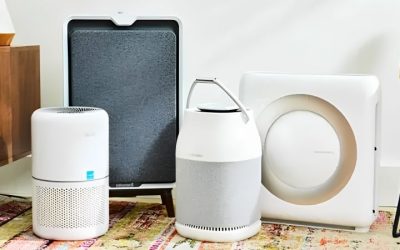
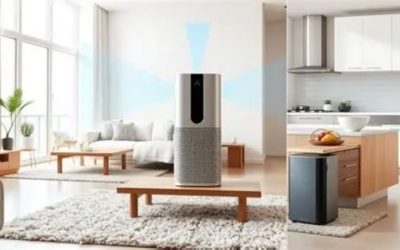
Measuring room square footage accurately before purchasing guarantees that the chosen appliance delivers adequate coverage across living spaces or bedrooms. Cylindrical intake models require strict perimeter clearance from walls and furniture to prevent airflow restriction and maintain optimal operational efficiency.
Standard manufacturer CADR ratings assume typical eight-foot residential ceilings, meaning open-concept layouts or vaulted rooms demand higher airflow capacity. Buyers must calculate volumetric requirements carefully to account for architectural variations and wide entryways connecting adjacent zones.
Air Changes Per Hour and Volumetric Requirements
Achieving four to five air changes per hour is essential for maintaining pristine indoor air quality, particularly for households managing allergy symptoms. Lower air change rates fail to suppress circulating dust particles, allowing pet dander and seasonal pollen to accumulate on upholstery and carpets.
Calculating total room volume in cubic feet allows homeowners to match purifier flow rates precisely against their specific environmental challenges. High-capacity fans manage large pollutant loads effectively without requiring constant maximum-speed operation that increases background noise levels.
Placement Geometry and Peripheral Obstruction Factors
Unit placement significantly influences overall system performance, as restricted intake vents reduce clean air delivery distribution by up to twenty-five percent. Tucking an air purifier into a narrow corner or behind heavy drapery obstructs airflow pathways and starves the internal fan motor of ambient air.
Maintaining a minimum perimeter clearance of fifteen inches around the unit ensures unrestricted 360-degree intake and smooth upward discharge circulation. Optimal positioning in the center of active living zones maximizes particulate capture efficiency and accelerates overall room purification cycles.
Ongoing Operating Costs and Maintenance Schedules
Evaluating long-term financial commitments represents a crucial element of any thorough hepa filter guide, addressing recurring filter subscription costs. Filtration media saturates gradually over months of continuous operation, transforming routine upkeep into an unavoidable ongoing household expense.
Filter Lifespan Realities and Replacement Subscriptions
Genuine replacement cartridges range from twenty to sixty dollars depending on appliance dimensions, requiring periodic swaps every six to twelve months. Delaying filter replacements forces fan motors to work harder against saturated media, increasing electrical power draw and accelerating mechanical wear.
Bypassing certified replacement elements in favor of unbranded knockoff filters often compromises sealing integrity, allowing unfiltered dust to bypass media edges. Savvy buyers leverage seasonal promotional sales to secure multi-pack replacements, reducing yearly ownership expenses significantly.
Acoustic Profiles and Continuous Sleep Mode Operation
Operating sound levels dictate whether an air purifier remains suitable for uninterrupted overnight use in quiet bedrooms and home office environments. A reliable hepa filter guide standard emphasizes specialized sleep modes that throttle brushless motors down to an unobtrusive acoustic floor for peaceful rest.
Maximum fan speeds generate higher acoustic output matching household appliance hums, making medium-speed operation a preferred compromise for continuous daytime background filtration. Selecting units with balanced decibel profiles prevents auditory fatigue in compact living spaces.
Seasonal Air Dynamics and Seasonal Filter Degradation
Indoor pollutant loads fluctuate dramatically across calendar seasons driven by regional wildfire smoke events, spring pollen surges, and winter window closures. Heavy particulate influxes during high AQI periods saturate pre-filter screens rapidly, demanding more frequent inspection and maintenance.
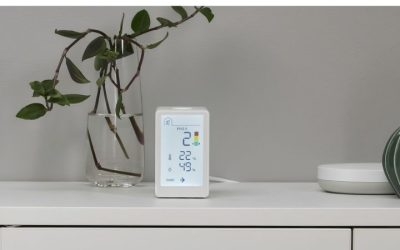
Optical particle sensors integrated into smart purifiers can drift over time as ambient cooking grease and fine lint accumulate on internal laser lenses. Routine cleaning using a dry cotton swab every two months restores sensor calibration and prevents automated fan loops from locking onto high speeds.
See More:
- Best eyeshadow blender brush
- Best frozen foods for air fryer
- Best frozen food for air fryer
- Best way to reheat steak in air fryer
- Best air fryer recipes book
Final Verdict on Selecting Air Filtration Systems
Our comprehensive hepa filter guide synthesizes verified CADR ratings, mechanical filtration standards, and recurring maintenance costs to clarify proper selection criteria. Matching appliance airflow capacity with exact room square footage remains the single most important step in achieving optimal indoor air purity.
By prioritizing certified True HEPA media, calculating air changes accurately, and committing to scheduled filter replacements, homeowners ensure reliable performance. Investing in robust mechanical air purification systems provides lasting health protection and clean residential environments throughout every seasonal cycle.