Key takeaways
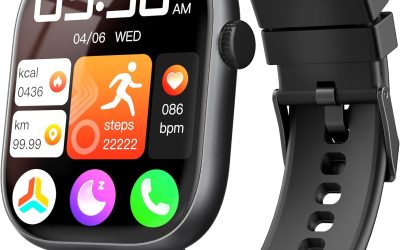
- Pro: Native support for 120-240V electric baseboard systems
- Pro: Works with Alexa, Google Home, Smart Life and Tuya App
- Con: Proprietary wall plate and Fahrenheit-only display limit flexibility
Most smart thermostats are built for central forced air, which is a real problem if your home does not fit that mold. After living with and testing a range of models, we found the difference between a frustrating thermostat and a great one comes down to how well it handles your actual wiring, how reliably it holds schedules and sensor readings, and how naturally it fits into the voice and app ecosystem you already use.
The best thermostats for smart homes get those fundamentals right without making you babysit the settings. They learn your routine or at least stick to the program you set, they report clearly on what the system is doing, and they play nicely with Alexa, Google Assistant, or Siri so you can adjust from the couch. The worst ones fight your HVAC system, bury useful controls in bad apps, or promise smart features that only work with extra hardware.
Our top picks

 Google Nest Thermostat
- ENERGY STAR certified smart thermostat for home that…
- The Nest Thermostat is designed to work without…
- Nest Thermostat turns itself down when you leave,…


As an Amazon Associate we earn from qualifying purchases at no extra cost to you.
Quick Picks
| Product | Best for | Price |
|---|---|---|
| 829F Smart Thermostat for Baseboard Heaters | Best for Electric Baseboard Heat | under $80 |
| Google Nest Thermostat Snow | Best for Simple Google Home Setup | under $100 |
| Venstar ColorTouch T8900 | Best for Humidity Control | under $300 |
| Programmable Thermostat with Extra Large Display | Best Budget Programmable | under $30 |
| Google Nest Thermostat Charcoal | Best Value Nest Design | $79 |
| Amazon Smart Thermostat | Best for Alexa and Ring Homes | under $80 |
| Honeywell Home RTH9585WF | Best Color Touchscreen | under $150 |
| ecobee Smart Thermostat Essential | Best for Multi-Assistant Homes | under $150 |
How We Picked
We prioritized real-world compatibility first, then everyday usability and ecosystem fit. That meant favoring models that match the system you have, whether line voltage or low voltage, with or without a C-wire, over those with flashy extras. We also judged display readability, scheduling flexibility, app reliability, and how well each thermostat works with Alexa, Google Home, and Apple platforms, while giving credit to Energy Star certified options that help curb energy use without comfort trade-offs.
The 8 Best Thermostats For Smart Homes in 2026
829F Smart Thermostat for Baseboard Heaters
Built for a niche that most smart thermostats ignore, this model is for homes heated by electric baseboard heaters on 120-240V systems. It includes a proprietary wall plate and a straightforward LCD with Fahrenheit display, so it mounts cleanly where standard thermostats cannot. Control through Alexa, Google Home, and the Smart Life and Tuya App gives you voice and remote access that baseboard owners rarely get. Rated 4/5 and priced for under $80, it is not fancy, but it solves a specific wiring problem well.
- Pro: Native support for 120-240V electric baseboard systems
- Pro: Works with Alexa, Google Home, Smart Life and Tuya App
- Con: Proprietary wall plate and Fahrenheit-only display limit flexibility
Skip it if you have central air, a heat pump, or any low-voltage forced air system, where a conventional smart thermostat will offer more features for less.
Google Nest Thermostat Snow
This Snow finish version is for anyone who wants an easy entry into the Nest ecosystem without complex wiring or setup. It offers programmable Wi-Fi control with the clean Nest app experience and reliable automation that adjusts to your schedule over time. The minimalist design blends into light-colored walls and the interface stays approachable for first-time smart home users. Rated 4.1/5 and priced for under $100, it delivers the core smart features most households need without premium cost.
- Pro: Simple, polished app and scheduling experience
- Pro: Clean, low-profile Snow design that suits bright interiors
- Con: Lacks some advanced sensors and wiring options of higher-end models
Skip it if you need deep customization for multi-stage systems or humidity management, where a more advanced thermostat makes sense.
Venstar ColorTouch T8900
The ColorTouch T8900 is aimed at users who want a large, full-color touchscreen and tighter indoor climate control. It adds WiFi and dedicated humidity control in a White housing that measures 2 X 4.7 X 6.3 inches, which feels substantial on the wall and easy to read from across the room. The interface is highly configurable for schedules and system settings, appealing to detail-oriented owners. Rated 4.2/5 and priced for under $300, it is a premium choice for hands-on control.
- Pro: Full-color touchscreen with humidity control
- Pro: Extensive configuration options for advanced users
- Con: Higher price and larger footprint than mainstream options
Skip it if you want a set-and-forget budget model or prefer a small, minimalist thermostat that disappears on the wall.
Programmable Thermostat with Extra Large Display
This is the straightforward, no-WiFi programmable option for buyers who value clarity and reliability over smart features. It runs a 1 Heat/1 Cool system and centers on an extra large display with a white backlight that is easy to read day or night. Programming is simple, with no app or C-wire to worry about. Rated 4.4/5 and priced for under $30, it is ideal for rentals, second homes, or anyone who just wants dependable temperature control.
- Pro: Extra large display with white backlight for excellent readability
- Pro: Simple 1 Heat/1 Cool programming without WiFi complexity
- Con: No smart home integration or remote access
Skip it if you want voice control, app access, or learning schedules, which require a true smart thermostat.
Google Nest Thermostat Charcoal
Functionally identical to its Snow sibling, the Charcoal finish brings the same programmable Wi-Fi smarts in a darker, more dramatic look. It is a good match for homes anchored in Google Home, offering straightforward scheduling, app control, and helpful energy insights in a compact, attractive package. Rated 4.1/5 and priced at $79, it is one of the most affordable ways to get the Nest experience while keeping wall presence subtle against darker decor.
- Pro: Same easy Nest software at a lower price point
- Pro: Charcoal finish hides dust and blends with modern trim
- Con: Still missing advanced features like remote sensors
Skip it if your system needs advanced staging or you want broad support for Siri, where other brands offer wider assistant coverage.
Amazon Smart Thermostat
Designed for Alexa-centric homes, this thermostat keeps things simple and affordable while tying directly into Alexa and Ring for routines and away modes. You can adjust temperature by voice, automate with Ring events, and manage settings in the Alexa app without juggling another platform. It does require a C-wire, so compatibility checks matter before buying. Rated 4/5 and priced for under $80, it is a focused pick for households already invested in Amazon devices.
- Pro: Deep integration with Alexa and Ring for automated routines
- Pro: Clean app experience if you already use Alexa
- Con: C-wire required and limited appeal outside Alexa homes
Skip it if you do not use Alexa or you lack a C-wire and do not want to add one.
Honeywell Home RTH9585WF
This Honeywell model is for shoppers who want a vivid, customizable touchscreen with serious programming chops. The Wi-Fi Smart Color Thermostat offers a 7 day programmable schedule, touch screen control, and a bright color display you can personalize. It is Energy Star certified and Alexa Ready, with a polished app for remote changes. Rated 4.3/5 and priced for under $150, it balances smart flexibility with Honeywell reliability, though it requires a C-wire and is not compatible with line volt heating.
- Pro: Highly visible color touchscreen with 7 day programming
- Pro: Energy Star certified with solid app and Alexa support
- Con: C-wire required and not compatible with line volt heating
Skip it if you heat with electric baseboard or cannot provide a C-wire.
ecobee Smart Thermostat Essential
The Essential trim brings ecobee smarts to a wider audience, with an Energy Star certified design that works with Siri, Alexa, and Google Assistant. That broad assistant support makes it easy to drop into almost any smart home without committing to one ecosystem, and the energy saving focus helps keep runtime in check. Setup is straightforward for standard low-voltage systems. Rated 4.2/5 and priced for under $150, it is a well-rounded, platform-agnostic choice.
- Pro: Works with Siri, Alexa, and Google Assistant
- Pro: Energy Star certified with strong energy saving features
- Con: Essential feature set trims some premium ecobee extras
Skip it if you need full ecobee sensor ecosystem support or have line voltage heaters.
Buying Guide
Know Your System Voltage and Wiring
Smart compatibility starts with voltage. Most smart thermostats are designed for low-voltage 24-volt central systems and need a C-wire for steady power. If your home uses 120-240V electric baseboard heaters, you need a line-voltage model like the baseboard-specific option, and using the wrong type can damage equipment. Check whether you have a C-wire, how many stages your heat and cool have, and whether your system is 1 Heat/1 Cool or more complex before you buy.
Choose Your Ecosystem, Not Just Your App
The app you open every day matters more than the logo on the thermostat. If you live in Alexa and Ring, a tightly integrated Amazon model will run routines automatically when you leave. Google Home users will get the most mileage from Nest, while households that mix Siri, Alexa, and Google Assistant benefit from platform-agnostic options like ecobee. Look for the assistants you actually use and confirm voice commands, geofencing, and away modes work without extra hubs.
Displays and Controls You Will Actually Use
A thermostat should be readable and operable without hunting for your phone. An extra large display with a white backlight helps in dim hallways, while a full-color touchscreen offers richer scheduling and humidity readouts but takes up more wall space. Consider whether you prefer simple 7 day programming or adaptive learning, and whether you need humidity control or just basic temperature management. The right interface is the one other household members can use without a tutorial.
Our Verdict
For most smart homes that run a standard low-voltage system, the Honeywell Home RTH9585WF for under $150 is our top pick for its combination of a vivid color touchscreen, 7 day programmability, Energy Star certification, and reliable Alexa integration. If price is the priority, the Programmable Thermostat with Extra Large Display for under $30 is the clear budget pick, delivering readable, dependable control for 1 Heat/1 Cool setups without any smart overhead. If you heat with electric baseboards, the 829F Smart Thermostat for Baseboard Heaters is the conditional winner, since standard smart models are not compatible with 120-240V line voltage heat.
FAQ
Do I need a C-wire for a smart thermostat?
Many smart thermostats require a C-wire to provide continuous power for Wi-Fi and displays, including several models in this roundup. A few systems can work without one using adapters or battery power, but you should verify wiring at your current thermostat or have an HVAC check before you order.
Can any smart thermostat control electric baseboard heaters?
No. Most smart thermostats are built for low-voltage central systems and are explicitly not compatible with line volt heating. For 120-240V baseboard heaters you need a thermostat rated for that voltage, like the 829F model designed for that use.
What is the benefit of humidity control or Energy Star certification?
Humidity control helps the system manage comfort more precisely, especially in humid climates, while Energy Star certification indicates the thermostat has met efficiency criteria for scheduling and energy saving behavior. Both can improve comfort and help reduce runtime when configured correctly.
Which assistant should I prioritize for my thermostat?
Choose based on the speakers and routines you already use. Alexa-centric homes benefit from Amazon Smart Thermostat with Ring integration, Google Home users will find Nest models the most seamless, and mixed households should lean toward ecobee or Honeywell options that support multiple assistants.
Part of our homes buying guide hub.