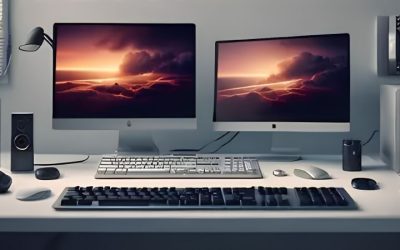
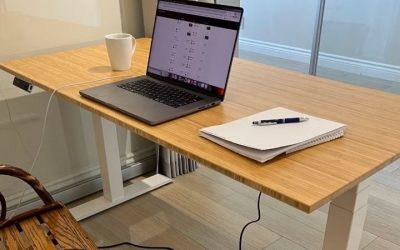
Home office equipment is easy to overbuy, so this roundup ranks the home office equipment that matters by height range, resolution, wattage and load rating. We combine manufacturer specs with long-term owner feedback, skip empty words like “premium” and “sleek,” and list one honest drawback per pick so you build a real setup, not a showroom.
As an Amazon Associate we earn from qualifying purchases.
Our top picks


As an Amazon Associate we earn from qualifying purchases at no extra cost to you.
By Daniel Foster
Essential Home Office Equipment Ranked
A productive desk needs a surface, a screen, connectivity, input and a camera; the picks below cover that span from budget to premium. Amazon prices shift constantly, so read the tiers as guidance and confirm the live figure at purchase, and measure your room before ordering large items.
| Equipment | Key number | Fit note | Tier |
|---|---|---|---|
| Flexispot E7 standing desk | Height ~22.8-48.4 in | Dual motor, 355 lb load | Mid |
| Dell 27″ USB-C monitor | 1440p, IPS, 75Hz | USB-C 65W-90W | Mid |
| Anker 575 dock | 13 ports, 85W PD | Needs DP Alt Mode | Mid |
| Logitech MX Keys S | 3-device, USB-C charge | Bluetooth/Bolt | Mid |
| Logitech Brio 100 | 1080p, privacy shutter | USB-A | Budget |
Standing Desk: The Foundation
The desk sets everything else, and a dual-motor sit-stand like the Flexispot E7 moves from roughly 22.8 to 48.4 inches (58 to 123 cm) with a load rating around 355 lb (161 kg). The deciding numbers are height range, load rating, tabletop size and single versus dual motor.
Dual motors lift more evenly and quietly than single-motor budget frames, which can wobble tall. The drawback is assembly weight; the steel frame is heavy and a two-person build is easier. Measure the tabletop against your monitor, keyboard and dock so nothing overhangs the working area.
Monitor: Match the Panel to the Work
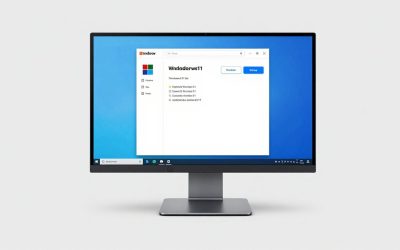
A 27-inch 1440p IPS panel is the home-office sweet spot: sharp text, wide viewing angles and enough desk real estate without a shallow-desk crowding problem. A USB-C model that also delivers 65 to 90W charges a laptop over the same cable that carries video, cutting clutter noticeably.
Panel type drives the choice: IPS suits colour and office work, VA gives deeper contrast, and OLED looks superb but risks burn-in from a static taskbar during all-day use. Match resolution and panel to your tasks; a bright, colour-accurate IPS is the safe default for mixed home office equipment.
Dock and Cable Management
A powered dock like the Anker 575 turns a laptop into a workstation with one cable, offering 13 ports and 85W charging for two displays plus peripherals. The deciding figures are port types, count and power-delivery wattage, so a weak dock does not force a spare charger onto the desk.
USB-C docks need your laptop to support DisplayPort Alt Mode for external video, so confirm that spec first. Route cables behind the desk with a tray or clips; on a sit-stand desk this is essential, or cables snag as the surface rises and falls throughout the day.
Keyboard and Mouse: Daily Comfort
Inputs you touch all day should favour comfort. A multi-device wireless board like the MX Keys S pairs to three machines, recharges over USB-C and ends disposable-battery cost. Pair it with an ergonomic mouse sized to your hand rather than the flashiest model on the shelf.
A shared receiver such as Logi Bolt cuts latency versus generic Bluetooth and frees a USB slot. The caveat is fit: many premium mice suit only large right hands, so left-handers and smaller hands should check the shape before adding this piece of home office equipment to the cart.
Webcam and Lighting for Calls
A laptop’s built-in camera undersells you on video calls. A 1080p webcam like the Brio 100 with a privacy shutter clips to the bezel, plugs into USB-A and needs no driver on most machines. Add a small monitor light bar for even face lighting without glare on the screen.
The webcam tops out at 1080p rather than 4K, which is fine for meetings; content creators should step up to a 4K model with a wider field of view. Good lighting often improves call quality more than a pricier camera, so budget for both rather than one expensive lens.
How to Choose Home Office Equipment
Build the setup around your room and tasks, not a wish list. Read the deciding numbers, measure the space, and weigh recurring cost so every item fits and earns its place on the desk.
The Specs That Decide It
For a desk, it is height range, load rating, tabletop size and motor count. For a monitor, resolution, panel type (IPS, VA or OLED) and refresh rate. For a dock, port types and power-delivery wattage. For inputs, connection type, ergonomics and battery life in weeks or months.
Reading these first stops the common mistake of buying a screen too big for a shallow desk or a dock that cannot power the laptop. When two items look alike, the spec that matches your exact machine and room is the one that should settle the decision.
Space and Fit in Your Room
Measure before you buy the large pieces. A sit-stand desk needs floor area and clearance to rise; a 27-inch or larger monitor needs desk depth so it is not too close; a dock needs a spot near your ports. Note the numbers in inches and centimetres and plan the layout.
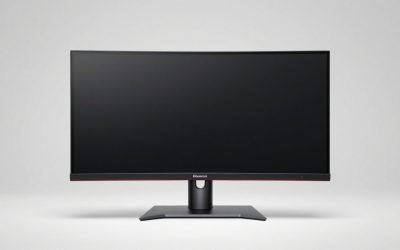
Deep curved or ultrawide monitors demand more desk depth than flat panels, so confirm dimensions against your plan rather than product photos. In apartments and rentals, favour gear that assembles and moves easily, since bulky home office equipment is a burden when the next move comes around.
Total Cost and Timing
Look past the sticker to recurring spend and lock-in: rechargeable peripherals end battery cost, and one charging standard keeps future buys compatible. Confirm a dock supports your laptop’s video mode and an arm or stand matches your monitor’s VESA pattern before committing to the purchase.
Because this is Amazon electronics, timing helps on big items. Around late-June Prime Day, October’s Prime Big Deal Days and the late-November Black Friday window, desks, monitors and docks are among the few big-item desk buys that see real discounts, though dates shift each year, so verify them.
Home Office Equipment FAQ
These are the questions readers raise most when kitting out a first proper home setup, covering desks, monitor size and whether a single cable can really run everything.
Is a standing desk worth it for home work?
If you sit for long stretches, a sit-stand desk lets you alternate posture through the day, which many owners find reduces stiffness. Choose a dual-motor frame with a height range that suits your height and a load rating above your gear’s weight; this is comfort equipment, not a medical device.
What monitor size suits a home office?
A 27-inch 1440p panel balances sharpness and desk space for most rooms. Go 32-inch or ultrawide only if your desk is deep enough to sit back comfortably. Measure desk depth first; a screen that is too close on a shallow desk causes more strain than a smaller one.
Can one USB-C cable run my whole setup?
Often yes, if your laptop supports USB-C with DisplayPort Alt Mode and enough power delivery. A USB-C monitor or dock can then carry video, data and charging over a single cable. Confirm your laptop’s port supports video output, or you will need a separate charger and display cable.
See More:
- Best eyeshadow blender brush
- Best frozen foods for air fryer
- Best frozen food for air fryer
- Best way to reheat steak in air fryer
- Best air fryer recipes book
Bottom Line on Home Office Equipment
The best home office equipment is chosen by numbers that fit your room: a dual-motor desk sized to your height, a 27-inch IPS monitor your desk depth can hold, a dock with enough wattage to drop the spare charger, and inputs plus a camera that make long days comfortable. Measure the space, confirm compatibility, and let Prime Day or Black Friday decide timing on the big pieces. Build for your tasks, not a showroom, and the setup pays back daily in comfort, fewer cables and time you no longer lose hunting for the right adapter.