Key takeaways
Reverse osmosis system review roundups matter because RO removes the widest contaminant range of any home filter, so this reverse osmosis system review ranks under-sink picks by what differs. Below are six options with honest drawbacks, weighed on stages, production, wastewater, and remineralization.
Our top picks
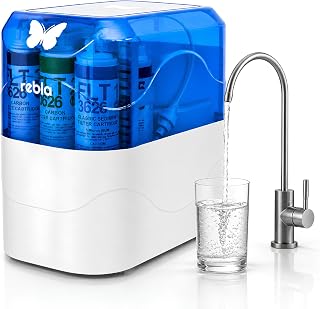
 iSpring RCC7AK-BN NSF Certified
- Other Special Features of the Product: Multi Stage Filtrartion, NSF certified
- Container Type: Tube
- Installation Type: Under Sink
NSF/ANSI 58 certification covers the entire filtration system
Top-mounted design allows installation without reaching under the sink
Transparent first-stage housing lets you see filter buildup
Requires at least 70 PSI of water pressure to operate
Six-stage system requires periodic filter replacement over time



As an Amazon Associate we earn from qualifying purchases at no extra cost to you.
As an Amazon Associate we earn from qualifying purchases.
By Daniel Foster
How Reverse Osmosis Works At Home
An RO system pushes water through a semipermeable membrane that removes dissolved solids most carbon filters cannot, delivering very clean drinking water at one tap. Sorting the stages, certification, production rate, and wastewater ratio first keeps a reverse osmosis system review focused on real performance rather than the “removes 99%” claims that appear on every box.
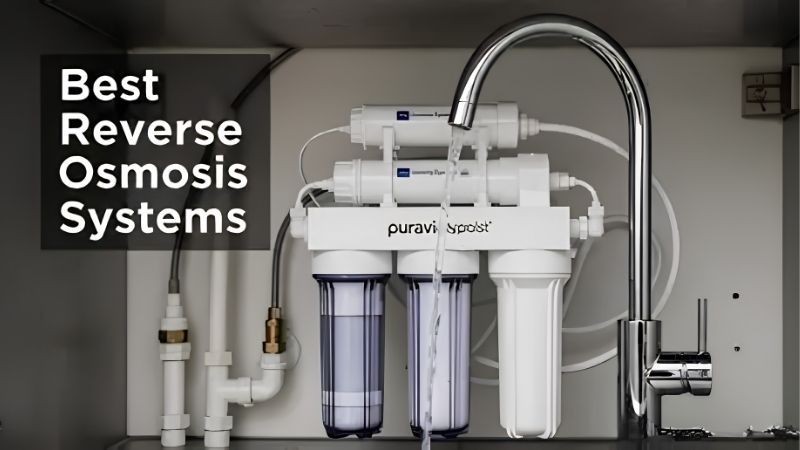
RO System Decision Numbers
The deciding factors are the stages and NSF/ANSI certification (Standard 58 covers RO, with 42 and 53 for taste, chlorine, lead, and cysts), the daily production in gallons per day (GPD / L per day), the wastewater ratio, whether it remineralizes or adjusts pH, and tank versus tankless design.
Then weigh that RO removes beneficial minerals along with contaminants, so many systems add a remineralization stage for taste and pH. The wastewater ratio matters for efficiency, since older systems waste several times the water they produce, while newer tankless units improve that ratio and free up cabinet space.
Confirm the certification covers the contaminants you care about, since not every RO system is independently certified for lead, PFAS, or other specifics. Match the production rate to your household’s drinking and cooking use, and factor the ongoing cost of replacement membranes and pre- and post-filters. The right reverse osmosis system review comes down to certification, production, and wastewater, not stage count.
Placement, Space, And Fit
Most RO systems install under the kitchen sink with a dedicated faucet, a drain connection for wastewater, and, on tank models, a storage tank that takes cabinet room. Measure the under-sink space, since a tank plus filter housings can crowd a small cabinet, while tankless units are more compact.
Confirm you can add a dedicated faucet and a drain saddle, and that water pressure meets the system’s needs, since low pressure slows production and some units add a pump. A cold-water supply connection and access to change filters complete a typical install, which many owners can do with care.
For renters, a countertop RO unit avoids permanent plumbing while still using the membrane, trading cabinet space for counter space. Homeowners tight on cabinet room should favor a tankless design, and everyone should leave access to swap the pre-filters, membrane, and post-filter on schedule. Leaving room to reach every filter is what keeps an under-sink RO easy to maintain over the years.
Stages, Production, And Remineralization
Stages typically run sediment and carbon pre-filters, the RO membrane, and a post-filter, with more stages adding remineralization or extra polishing. More stages are not automatically better, so focus on certification and whether the extra stages address your water rather than a higher number on the label.
Production and recovery determine convenience and efficiency: a higher GPD and a tankless design deliver water on demand, while tank systems store a reserve but refill slowly. A better wastewater ratio reduces the water sent to drain, which matters for both cost and conservation over the system’s life.
Remineralization matters for taste and pH, since RO water is very pure and can taste flat, so an alkalizing or mineral stage restores balance. If you dislike the taste of demineralized water, favor a system with remineralization, and note that RO removes fluoride too, which is a consideration either way. Choosing remineralization is the difference between flat, pure water and a balanced, mineral taste.
Top RO System Picks
These six span compact tankless units, classic multi-stage tank systems, and remineralizing designs, so this reverse osmosis system review can match RO to your counter or cabinet. Each entry names a real drawback, because the right system depends on your space, production needs, and whether taste and pH matter as much as raw contaminant removal. Reading each drawback closely helps you weigh space, taste, and certification together.
| Pick | Design | Notable | Best for |
|---|---|---|---|
| Waterdrop G3 | Tankless | Compact, high GPD | Small cabinets |
| APEC ROES | Tank, staged | Reliable classic | Proven value |
| iSpring RCC7 | Tank, staged | Budget stages | Lower cost |
| Aquasana OptimH2O | Tank, staged | Claryum + RO | Extra polishing |
| Express Water | Tank, staged | Alkaline option | Remineralization |
| Frizzlife | Compact/tankless | Space-saving | Easy install |
Waterdrop G3 For Small Cabinets
Waterdrop’s G3 tankless RO system saves cabinet space, delivers water on demand with a higher GPD, and uses a smart faucet with filter-life indicators. For small kitchens or crowded cabinets, the tankless design and quick-change filters are a clear practical advantage.
The drawback is a higher price than basic tank systems, reliance on electricity, and remineralization only on certain models, so confirm whether the version you choose adjusts taste and pH. Verify the certification for your specific contaminants rather than assuming the highest reduction claim.
For compact, on-demand RO, the Waterdrop G3 leads this review. Confirm cabinet clearance and a drain connection, check the certification for your concerns, and add or choose a remineralizing option if you prefer the taste of mineral-adjusted water over very pure RO output. For a crowded cabinet, that tankless footprint is the clearest reason to pay more here.
APEC ROES For Proven Value
APEC’s ROES tank systems are a long-standing, reliable multi-stage RO choice, delivering strong contaminant reduction with a storage tank and a straightforward under-sink install. For buyers who want proven, no-frills performance and easy filter availability, it is a dependable value.
The drawback is the cabinet space a tank and housings need, slower refill than tankless, and a wastewater ratio typical of tank systems. Basic models may not remineralize, so add a stage if you want mineral taste, and confirm certification for specific contaminants.
For dependable, well-supported RO value, APEC ROES is a strong pick in this review. Measure cabinet space for the tank, plan the drain and faucet, and add a remineralization stage if taste matters, treating the proven reliability as its main advantage over flashier units. This reverse osmosis system review favors proven, serviceable designs where filters are easy to find.
iSpring RCC7 For Lower Cost
iSpring’s RCC7 multi-stage RO system offers classic under-sink RO at a budget-friendly price, covering broad contaminant reduction with a tank and staged filters. For a lower entry cost into RO, it makes the technology accessible without sacrificing the core multi-stage approach.
Compromises include the usual tank space, slower refill, and a wastewater ratio typical of the category, plus certification that varies by configuration. Alkaline or remineralization is an add-on rather than standard, so confirm what the base kit includes and its ratings.
As the budget RO option here, iSpring RCC7 lowers the price of entry. Plan cabinet space and the drain, add an alkaline stage if you want mineral taste, and confirm the certifications for your concerns, choosing it when cost matters more than a tankless footprint.
Aquasana OptimH2O For Extra Polishing
Aquasana’s OptimH2O pairs RO with the brand’s Claryum filtration for extra polishing, targeting a broad contaminant range including lead and certain others with claimed high reduction. For buyers who want RO plus additional carbon-based polishing, it combines two approaches in one system.
The drawback is a higher cost, the usual under-sink space and drain needs, and reliance on proprietary filters, so confirm ongoing replacement cost. Verify the specific certifications you care about, since claimed reductions should be backed by independent listings for your key contaminants.
For extra polishing beyond standard RO, OptimH2O suits this review’s thoroughness-minded buyer. Confirm cabinet space, verify certifications for your concerns, and budget for proprietary filters, choosing it when broad reduction and added polishing outweigh a simpler, cheaper system.
Express Water For Remineralization
Express Water’s alkaline RO systems add a remineralization stage that restores minerals and adjusts pH after the membrane, addressing the flat taste of pure RO water. For buyers who dislike demineralized taste, the built-in alkaline stage is a genuine advantage.
The drawback is more stages to maintain, the usual tank space and wastewater, and certification that varies by configuration. The remineralization improves taste but adds cost and upkeep, so confirm the ratings and factor the ongoing filter expense before committing.
For RO with mineral taste, Express Water is a strong pick here. Plan cabinet space and the drain, keep replacement stages on hand, and confirm certifications, choosing it when balanced taste and pH matter as much as broad contaminant removal in your daily drinking water. For anyone who finds RO water flat, the built-in mineral stage genuinely changes the taste.
Frizzlife For Easy Install
Frizzlife’s compact RO systems emphasize space-saving design and simpler installation, with quick-change filters and, on some models, tankless or high-efficiency operation. For buyers who want easier setup and a smaller footprint, it lowers the friction of adding RO.
The drawback is that a newer brand’s long-term support and filter availability warrant checking, and remineralization and certifications vary by model. Confirm the wastewater ratio and the specific ratings for your contaminants rather than assuming the headline reduction figure.
For easy install and a small footprint, Frizzlife fits this review well. Confirm cabinet space and the drain, verify certifications and filter availability, and choose a remineralizing model if you prefer mineral taste, treating the simpler setup as its main appeal over bulkier tank systems.
See More:
- Best eyeshadow blender brush
- Best frozen foods for air fryer
- Best frozen food for air fryer
- Best way to reheat steak in air fryer
- Best air fryer recipes book
Choosing Your RO System
The best pick from this reverse osmosis system review depends on space and taste: tankless units like Waterdrop G3 or Frizzlife for small cabinets, proven tank systems from APEC or iSpring for value, and remineralizing options from Express Water or Aquasana OptimH2O for balanced taste. Match production and wastewater efficiency to your household. Matching production and wastewater to how much you drink is what keeps an RO system practical.
Confirm NSF/ANSI certification for your specific contaminants, plan the drain and dedicated faucet, and budget for replacement membranes and filters. Because interest in RO rises with water-quality reports and concern over contaminants that carbon cannot remove, timing varies, but the goal of this reverse osmosis system review is an RO system that fits your space, tastes right, and is certified for what you need to remove. Test first, verify certification, and the rest of the RO decision becomes far simpler to make.