
Key takeaways
- Look for H13 True HEPA as the minimum for allergy relief.
- A dedicated, washable pre-filter keeps hair from choking the main filter.
- An activated carbon layer tackles litter box and wet-dog odors.
If you share your home with a shedding cat or dog, you already know that pet allergies are rarely about the fur itself. The real triggers are microscopic: dander flakes as small as 2.5 microns, dried saliva proteins, and the dust that clings to them. A well-matched air purifier can cut airborne allergens dramatically, but only if you buy for your room size and filter grade rather than for marketing claims.
This guide walks through the specifications that actually matter for pet households in 2026, from True HEPA ratings to clean air delivery rate (CADR), so you can spend once and breathe easier. Models like the LEVOIT Air Purifier with H13 True HEPA and washable pre-filter show up repeatedly in pet-focused shortlists for good reason, and we explain what to look for so you can judge any unit on its merits.
Our top picks
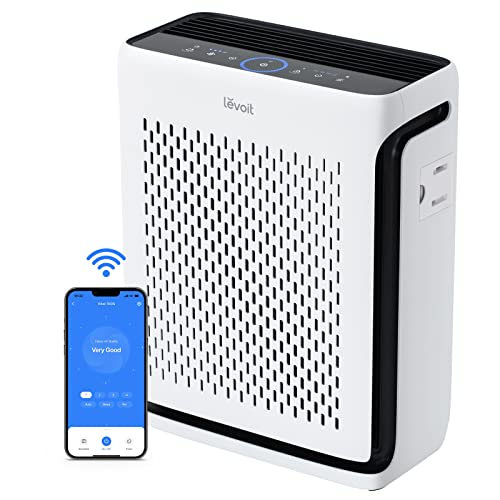
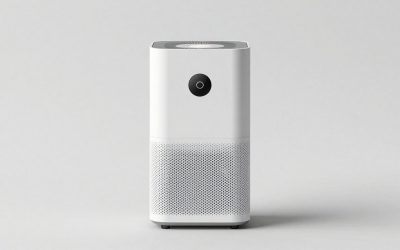
 LEVOIT Air Purifier for Home Allergies and
- Power Source: Corded Electric
- Control Method: Touch
- Filter Type: 3 in 1 Filtration
Covers up to 1073 square feet on one unit
Operates as quiet as 24 decibels in sleep mode
Captures 99.97 percent of particles down to 0.1 microns
Requires genuine Levoit replacement filters for proper performance
Corded electric design needs a nearby wall outlet


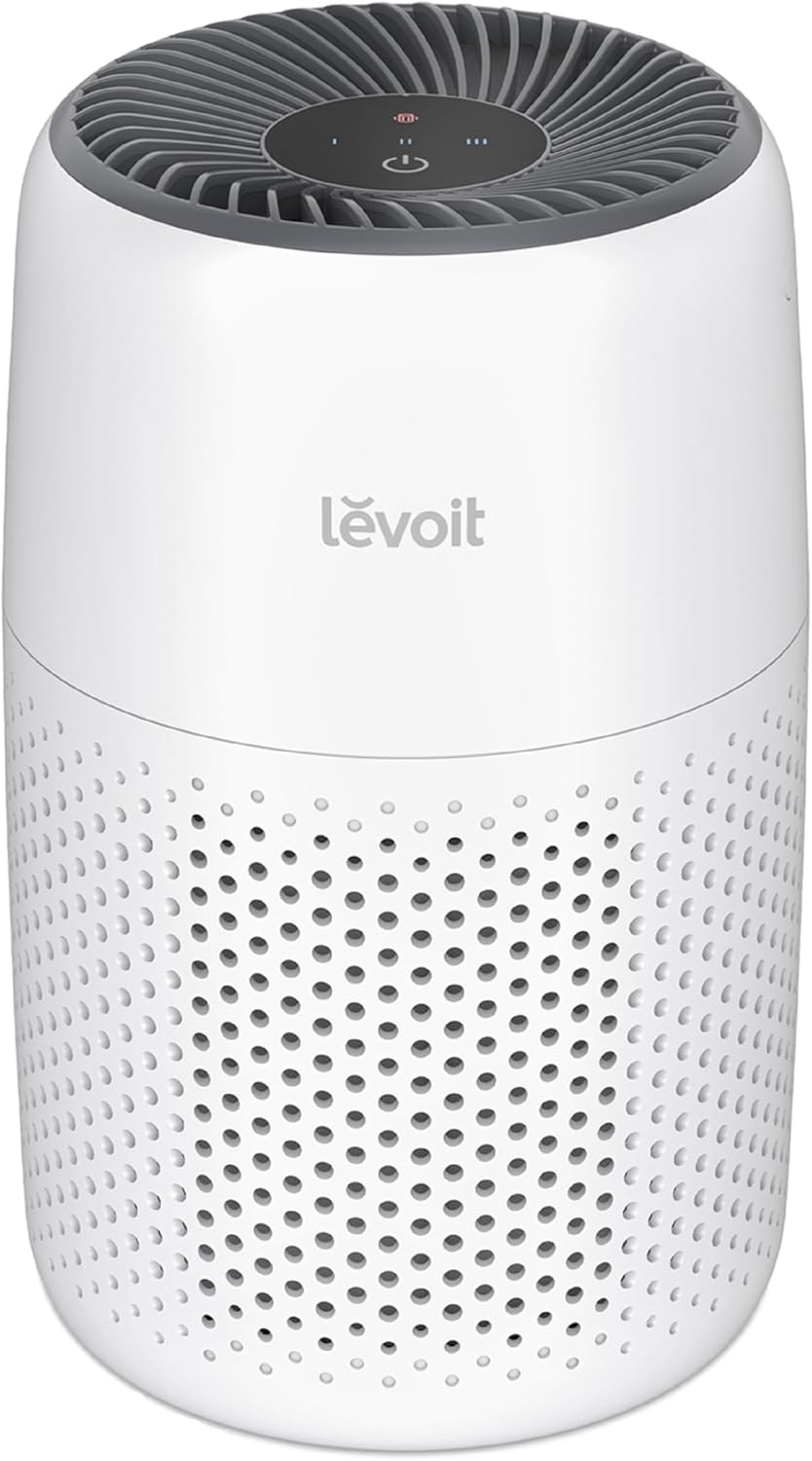

 Purivortex Air Purifiers for Bedroom
- Cleaner Air In Minutes: Purivortex is proven to…
- Breathe Easier with 99.97% Filtration: Purivortex HEPA air…
- Bigger Filter, Better Purification: Purivortex goes beyond the…

As an Amazon Associate we earn from qualifying purchases at no extra cost to you.
⚡ Save on Your Next PC — Amazon Prime
Prime members get fast free shipping on the systems above, plus early access to Prime Day & Black Friday PC deals. New members get a 30-day free trial.
Watch: How to Choose the Perfect Air Purifier for Pet Allergies — Video Review
Why Pet Allergens Are Different
Pet dander is lightweight and stays suspended in the air far longer than heavier household dust, which means it circulates through your HVAC system and settles on soft surfaces repeatedly. Unlike cooking smoke, dander is a constant, renewing source: your pet produces more every day. That is why a purifier for allergies needs both strong particle capture and enough air changes per hour (ACH) to keep pulling new dander out of circulation.
Understand HEPA Grades and Pre-Filters
A True HEPA filter (often labeled H13) captures 99.97% of particles down to 0.3 microns, which covers dander, pollen, and most dust mite debris. Be wary of “HEPA-type” or “99% at 2 microns” language, which is a weaker standard. Equally important for pet owners is a washable pre-filter, such as the one on the LEVOIT and Provirtec pet models, because it traps loose hair before it clogs the expensive HEPA layer and extends filter life.
- Look for H13 True HEPA as the minimum for allergy relief.
- A dedicated, washable pre-filter keeps hair from choking the main filter.
- An activated carbon layer tackles litter box and wet-dog odors.
Match CADR and Room Size
Clean air delivery rate tells you how quickly a unit filters a given space. Aim for a CADR (in CFM) at least two-thirds of your room’s square footage for allergy sufferers, and target four to five air changes per hour. A bedroom purifier rated for 2,200 sq ft, like the MOOKA large-room model, has ample headroom in a 200 sq ft bedroom and can run on a lower, quieter speed while still hitting your ACH goal.
Noise, Placement, and Running Costs
Because a pet purifier should run continuously, noise and energy use matter. Check the decibel rating on the lowest useful speed; many people sleep comfortably around 24-30 dB. Place the unit a couple of feet from walls with clear intake and outflow, and near the pet’s favorite resting spot. Budget for replacement filters every 6-12 months, and remember that a washable pre-filter you rinse monthly noticeably slows that cost.
Tips
- Run the purifier 24/7 on a low speed rather than blasting it occasionally; steady filtration prevents dander buildup.
- Rinse or vacuum the pre-filter every 2-4 weeks so a coat of hair does not strangle airflow.
- Combine the purifier with regular grooming and vacuuming for the biggest drop in symptoms.
- Keep bedroom doors closed while the unit works so it is not chasing dander from the whole house.
Frequently Asked Questions
Do air purifiers really help with pet allergies?
Yes, when correctly sized. A True HEPA unit running continuously can remove the majority of airborne dander, which is the main trigger. It will not stop reactions from touching your pet, but it measurably reduces the load you breathe.
How big an air purifier do I need for a bedroom?
For a typical 150-250 sq ft bedroom, a purifier rated for at least 300-800 sq ft gives you the air-change headroom to run quietly. Larger-room models simply operate on lower, quieter speeds.
How often should I change the filter?
Most True HEPA filters last 6-12 months in a pet home, sooner if you skip the pre-filter maintenance. Washing the pre-filter monthly is the single best way to stretch HEPA life.
Does an air purifier remove pet odors too?
Only if it includes an activated carbon stage. HEPA alone captures particles but not gases, so look for a carbon layer if litter box or wet-dog smells are a concern.
Conclusion
Choosing the right air purifier for pet allergies comes down to three numbers: an H13 True HEPA rating, a CADR that comfortably covers your room, and a washable pre-filter to fight hair. Get those right, run the unit continuously, and pair it with basic grooming, and you will notice fewer sneezes within the first week.




Write Your Review
No reviews yet. Be the first to share your experience!