An air purifier for allergies works by cycling room air through a True HEPA filter fast enough to keep pollen, dust, and dander low, which means room size and air-change rate matter more than any brand name. This guide ranks seven strong picks and explains the CADR and coverage numbers that decide whether one actually helps.
As an Amazon Associate we earn from qualifying purchases.
By Daniel Foster
Best Air Purifiers for Allergy Relief
For allergy control, aim for 4-5 air changes per hour, which shrinks a unit’s usable coverage below its headline figure. Each air purifier for allergies below is judged on True HEPA capture and enough airflow to keep particulates low in the room you actually plan to use it in.
Coway Airmega Mighty — Best Overall for Allergies
The Coway Mighty combines True HEPA with a carbon layer and is manufacturer-rated for roughly 361 sq ft (34 m²), which gives allergy-grade turnover in a typical bedroom. Its auto mode and real particle sensor ramp up during pollen spikes without you touching a button.
Filter replacement is the ongoing cost, and the status light is bright at night. For a nightstand-distance bedroom unit that quietly holds pollen and dust down while you sleep, though, it remains the balanced default many allergy sufferers land on.
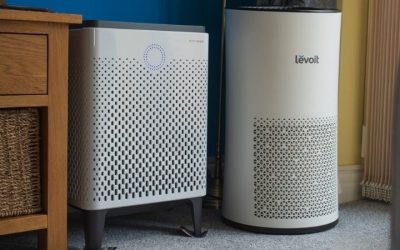
Levoit Core 400S — Best Live PM2.5 Readout
The Core 400S shows a live PM2.5 number, so you can watch levels drop after vacuuming or opening a window on a high-pollen day. Rated for up to about 403 sq ft (37 m²), it covers larger bedrooms and small living rooms with room to spare.
It leans on its app, so smart features depend on connectivity, and the filter is proprietary. As an air purifier for allergies it earns its place by making invisible particulates visible, which helps you learn your triggers rather than guessing at them.
Winix 5500-2 — Best Value for Allergens
The Winix 5500-2 pairs True HEPA with a thick carbon pre-filter and is rated for roughly 360 sq ft (33 m²), with pollen and dust CADR figures that punch above its price. For a value-focused allergy sufferer it delivers strong particulate control cheaply.
Its PlasmaWave ionizer can produce trace ozone, so switch it off and rely on the mechanical filtration, which loses nothing important. With the ionizer disabled it is a clean, effective performer and one of the easiest recommendations on a tight budget.
Blueair Blue Pure 211+ — Best for Large Allergy Zones
The Blue Pure 211+ is rated for roughly 540 sq ft (50 m²) with high airflow, so it can hold allergens down in an open living area where smaller units fall short. Its washable fabric pre-filter catches larger pollen and hair before the main filter.
There is no sensor or auto mode, so you choose the speed, and it is bulky. In a big, high-traffic room during allergy season, that raw turnover is exactly what keeps particulate levels low, which is the whole job you are buying it to do.
Alen BreatheSmart 45i — Best Allergy-Tuned Filter
The Alen 45i offers a filter option tuned for allergens and dust and adds a color air-quality indicator, backed by a long warranty. It covers medium-to-large bedrooms and reads the room automatically, ramping up when it detects a rise in particulates.
It sits at a premium price and the specialized filters cost more than generic packs. For an allergy sufferer who wants a filter matched to their trigger and an appliance built to last, the flexibility justifies spending above the mid-tier field.
Rabbit Air MinusA2 — Best Wall-Mount Design
The Rabbit Air MinusA2 mounts on a wall to save floor space and offers customizable filter layers, including allergy and odor options. It runs very quietly, which suits light sleepers who want steady allergen control in a bedroom without a noticeable hum.
It is expensive and its airflow is gentler than boxier rivals, so it favors quiet coverage over raw speed. For a design-conscious buyer with a moderate room, the discreet wall mount and low noise are worth the premium over a floor-standing unit.
Medify MA-40 — Best High-CADR Value
The Medify MA-40 delivers a high CADR for its price with True HEPA and carbon, rated for a large room on its top setting. Dual intakes pull air from both sides, which speeds up how quickly it clears pollen and dust from the space.
It is loud at the highest speed and the touch panel can feel finicky. For an allergy sufferer chasing the most airflow per dollar, though, it is a strong contender that clears a big room faster than many pricier options on the shelf.
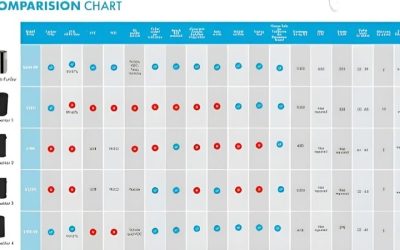
| Model | Rated Coverage | Allergy Strengths | Noise | Price Tier |
|---|---|---|---|---|
| Coway Mighty | ~361 sq ft / 34 m² | Auto mode, sensor | Low–Moderate | Mid |
| Levoit Core 400S | ~403 sq ft / 37 m² | Live PM2.5 | Low–Moderate | Mid |
| Winix 5500-2 | ~360 sq ft / 33 m² | Value, carbon | Moderate | Budget–Mid |
| Blue Pure 211+ | ~540 sq ft / 50 m² | Large-room airflow | Moderate | Mid |
| Alen 45i | Medium–large room | Allergy filter option | Low | Premium |
| Rabbit Air MinusA2 | Medium room | Wall-mount, quiet | Very low | Premium |
| Medify MA-40 | Large room | High CADR value | Moderate–High | Mid |
Coverage and CADR are manufacturer ratings; confirm current figures for your model, and note prices change at the time of purchase.
How to Choose an Air Purifier for Allergies
Picking an air purifier for allergies is about turnover and filter quality, not marketing. Match the coverage to your room at 4-5 air changes per hour, insist on True HEPA, and mind noise and filter cost before a smart screen or a slim shell decides the purchase for you.
Decisive Numbers: Pollen CADR and Air Changes
For allergies, the pollen and dust CADR figures matter most, and you want enough of both to reach 4-5 air changes per hour in your room. That target shrinks the usable coverage well below the box figure, so a unit rated for 400 sq ft may only suit a 200 sq ft allergy room.
Higher turnover means allergens spend less time airborne, which is the mechanism behind any relief you feel. Size up rather than down, and prioritize CADR over smart extras, since faster clean-air delivery is what an air purifier for allergies actually trades on.
Space and Fit: Sizing to the Room You Use Most
Measure the bedroom or living room where you spend the most time and match it to the rated coverage at a high ACH. Bedrooms are the highest-value target because you spend hours there breathing the same air overnight during pollen season.
Give the unit clearance from walls and furniture so airflow is not choked, and place it near where you sit or sleep. A capable machine stuffed into a corner underperforms, so plan the spot before ordering rather than after the box is already open.
True HEPA and Carbon for Allergens
Insist on True HEPA, which captures 99.97% of particles at 0.3 microns, the size range that includes much pollen and fine dust. The cheaper HEPA-type label is not held to that standard, so it is the wrong choice for serious allergy control.
A washable pre-filter catches large pollen and hair, extending the main filter’s life, while carbon helps if odors bother you too. For pure allergen control, though, the True HEPA stage is the workhorse, so weigh its quality above any secondary feature on the unit.
Noise and Filter Cost Over Time
Check the decibel rating at the speed you will run overnight, since a bedroom unit that roars on high defeats the purpose during allergy season. Many people run a mid setting all night, so the noise at that level, not the maximum, is what counts.
Filters are a recurring cost that behaves like a subscription, and heavy pollen seasons shorten their life. Add up a year of replacements and confirm they are easy to buy, so a cheap allergy purifier with scarce proprietary filters does not quietly become the expensive option.
Frequently Asked Questions
A few questions come up whenever allergy sufferers shop for a purifier. These short answers cover the practical points that shape a smart choice before you commit to a unit for your bedroom or living room.
Can an air purifier cure my allergies?
No; a purifier can reduce airborne allergens and some people find that eases symptoms, but it is not a treatment or cure and cannot remove the source. Pair it with cleaning and ventilation, and follow a doctor’s guidance for any medical allergy or asthma concern.
Where should I put an air purifier for allergies?
Put it in the room where you spend the most time, usually the bedroom, with clearance from walls and furniture so airflow is not blocked. Keeping it near where you sleep or sit gives you the cleanest air exactly where you breathe it the longest.
How often should I replace the filter?
Follow the manufacturer’s schedule, but expect to replace filters sooner during heavy pollen seasons when they load up faster. A clogged filter reduces airflow and allergen capture, so changing it on time is essential to keep the unit doing its job for your allergies.
See More:
- Best eyeshadow blender brush
- Best frozen foods for air fryer
- Best frozen food for air fryer
- Best way to reheat steak in air fryer
- Best air fryer recipes book
Final Word on the Air Purifier for Allergies
The right air purifier for allergies is the one sized to deliver 4-5 air changes per hour in the room you use most, fitted with True HEPA and a pre-filter for pollen and dust. Measure the space, size up rather than down, and mind the overnight noise level and a full year of filter cost before you buy. It reduces airborne allergens rather than curing anything, so pair it with cleaning and medical advice, and verify current specs and price at purchase to land a genuinely effective unit.
Our top picks


 Levoit Air Purifier for Home Pets Hair
- Power Source: Corded Electric
- Control Method: Touch
- Filter Type: 3 in 1 Filtration
Covers up to 1073 square feet on one unit
Operates as quiet as 24 decibels in sleep mode
Captures 99.97 percent of particles down to 0.1 microns
Requires genuine Levoit replacement filters for proper performance
Corded electric design needs a nearby wall outlet

 LEVOIT Smart Air Purifier for Home Large
AHAM-verified performance covers rooms up to 1875 square feet
U-shaped inlet pulls in pet hair and odors efficiently
Designed specifically to filter allergens like pollen and dander
Stands nearly 20 inches tall, needing dedicated floor space
Listing does not specify the exact CADR number


As an Amazon Associate we earn from qualifying purchases at no extra cost to you.