
Best way to clean humidifier questions usually arrive after a smell does, which is later than ideal. Standing water supports biological growth within days and mineral scale reduces output within weeks, so this guide compares seven products for descaling and tank cleaning alongside a schedule that prevents both.
As an Amazon Associate we earn from qualifying purchases.
Our top picks


As an Amazon Associate we earn from qualifying purchases at no extra cost to you.
By Daniel Foster
What Actually Accumulates Inside
The best way to clean humidifier parts depends on which of two separate problems you are treating, because they build up differently and need different products. Confusing them is why some owners scrub weekly and still find output falling, or descale religiously and still notice an odour.
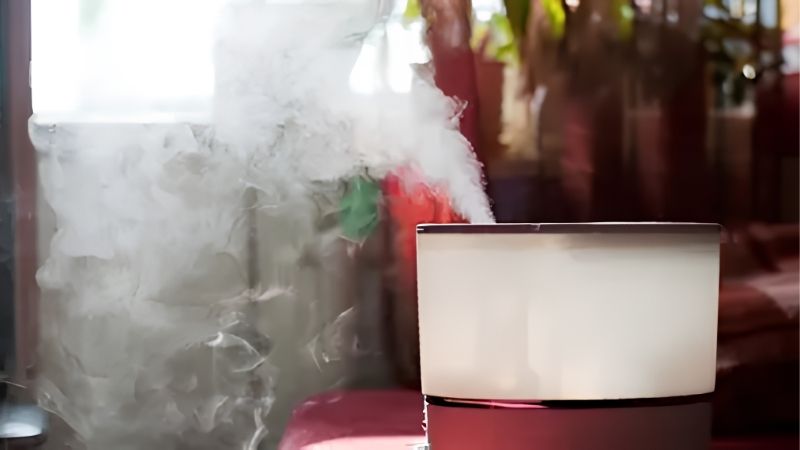
Scale, Biofilm and Frequency: The Numbers That Decide It
Mineral scale comes from dissolved calcium and magnesium in tap water. It coats ultrasonic transducer plates, stiffens evaporative wicks and crusts heating elements, and in hard water areas it becomes visible within two to three weeks of daily use.
Biofilm is the second problem and the one responsible for smell. It develops in standing water within days, coating the tank interior in a slippery layer that rinsing alone does not remove. Acid descalers do not reliably kill it, and disinfectants do not dissolve scale.
Frequency follows from water hardness and running hours. A machine used nightly through winter in hard water needs weekly descaling, while occasional use in soft water can stretch to monthly. Test strips reporting grains per gallon cost very little and remove the guesswork.
Space and Fit: Access Decides Whether It Gets Done
Cleaning access matters more than any product. A wide tank opening a hand and brush fit through gets cleaned; a narrow neck requiring shaking and hoping does not, however good your intentions in October.
Dishwasher compatibility is worth checking before buying a machine. Tanks and lids rated for the top rack turn a weekly chore into loading a rack, while units where every part must be hand washed quietly get cleaned less often by February.
Check drying space too. Every component should air dry fully before reassembly, which means somewhere on a draining board or a towel for an hour. A machine reassembled damp starts the biofilm clock again immediately.
Safety Rules Before You Mix Anything
Never combine bleach with vinegar or any acid descaler. The reaction releases chlorine gas, which is genuinely dangerous in an enclosed bathroom. Use one or the other, rinse thoroughly, and let the unit dry between treatments.
Follow the manufacturer instructions for your specific machine. Some tanks tolerate diluted bleach, others specify vinegar only, and additives are appropriate for certain evaporative models and not for ultrasonic ones. The manual outranks any general guide including this one.
Seven Products Worth Keeping
The best way to clean humidifier tanks and bases uses a small kit rather than one product, so the list below covers descaling, disinfecting, scrubbing and prevention. Each entry names a genuine limitation. Information reflects manufacturer guidance and pooled long-term owner reports rather than testing conducted by this site.
1. Distilled White Vinegar — The Baseline Descaler
Cheap, widely available and effective against mineral scale. Fill the base or tank, let it sit for twenty to thirty minutes, then scrub and rinse thoroughly. It handles the majority of routine descaling with nothing exotic required.
It works slowly on heavy deposits and the smell lingers if rinsing is rushed. It is not a disinfectant, so it does not solve the biofilm half of the problem.
2. Food-Grade Citric Acid Powder — Faster and Odourless
Dissolved in warm water, citric acid removes scale faster than vinegar and rinses away without residual smell. A single bag lasts an entire season, and it is the descaler many manufacturers specify themselves.
It must be measured and dissolved rather than poured straight from a bottle. Like vinegar, it does nothing for biofilm.
3. Essick Air Humidifier Cleaner — Manufacturer Formulated
A proprietary descaling solution designed for evaporative machines, which removes scale from wicks and internal surfaces without the guesswork of dilution ratios.
It costs considerably more than citric acid for the same job, and it is formulated for specific machine types. Check compatibility before using it in an ultrasonic or steam unit.
4. Protec Humidifier Tank Cleaning Fish — Between-Clean Prevention
A small treated cartridge that sits in the tank and slows biological growth between cleanings, replaced roughly monthly. For anyone who cleans less often than they should, it reduces the consequences.
It is a supplement, not a substitute, and does nothing for scale. Manufacturers of some machines advise against additives in the tank, so check first.
5. OXO Good Grips Bottle Brush Set — Mechanical Removal
Biofilm needs physical scrubbing, and a set with a long bottle brush plus a narrow detail brush reaches tank corners, spouts and the base channels where residue collects.
Brushes need cleaning and drying themselves or they become a source of the problem. Stiff bristles can scratch ultrasonic transducer plates, so use a soft brush there.
6. Demineralisation Cartridges — Prevention at Source
Dropped into the tank of an ultrasonic machine, these reduce the mineral content reaching the mist and slow scale formation inside. In hard water areas they cut both white dust and cleaning frequency.
They reduce rather than eliminate minerals, capacity declines as they saturate, and they are a recurring cost. Distilled water achieves more for less.
7. Replacement Wick Filters — The Part You Cannot Clean
Evaporative wicks stiffen with mineral content and lose output long before they look worn. Replacing on schedule, typically every one to three months, restores performance that no amount of cleaning recovers.
They are a genuine recurring cost, and washing them repeatedly instead is a false economy that leaves the machine running at reduced output.
| Product | Handles scale | Handles biofilm | Frequency |
|---|---|---|---|
| White vinegar | Yes | No | Weekly |
| Citric acid powder | Yes, faster | No | Weekly |
| Essick Air cleaner | Yes | Partly | Weekly to monthly |
| Tank cleaning cartridge | No | Slows growth | Monthly replacement |
| Bottle brush set | Assists | Yes, mechanically | Every clean |
| Demineralisation cartridge | Prevents | No | Monthly replacement |
| Replacement wicks | Not cleanable | Not cleanable | 1 to 3 months |
Product availability and pricing change regularly, so confirm both at the time of purchase.
The Schedule That Prevents Most Problems
Nearly every complaint about smell, white dust or falling output traces back to a routine that slipped, which is why the best way to clean humidifier units is on a schedule rather than on demand. The routine itself is short, and doing it consistently matters far more than which descaler sits under the sink.
Daily, Weekly and End of Season
Daily, empty the tank completely, rinse it with fresh water and refill rather than topping up. That single habit prevents most biofilm before it starts, and it takes under a minute.
Weekly, descale the base and tank with vinegar or citric acid, scrub with a brush, rinse thoroughly and let every part air dry before reassembly. At the end of the season, clean fully, dry completely and store with the tank empty and the lid off.
Set the weekly clean on a fixed day rather than doing it when you remember. Owners who tie it to an existing routine, such as changing bedding, keep it up across a whole winter far more reliably than those relying on noticing a smell.
What Goes Wrong If You Skip It
Scale reduces output quietly, so owners often conclude the machine is failing when it needs an hour of attention. On ultrasonic units, a coated transducer plate can drop output by more than half without any visible fault.
Biofilm produces a musty smell that appears in the mist itself, and in a neglected tank the machine distributes that material into the room. This is the specific outcome the daily rinse exists to prevent.
Warranty, Certification and Buying Windows
Warranty terms typically cover the body for one to three years while excluding scale damage explicitly, so the cleaning schedule protects the cover as well as the machine. Confirm a recognised electrical safety listing on any unfamiliar unit.
Cleaning supplies and replacement wicks are worth stocking before heating season, since both sell through during the first cold weeks. Promotion clusters around Prime Big Deal Days in early October and Black Friday through Cyber Monday at the end of November.
Frequently Asked Questions
These are the questions readers ask most when working out the best way to clean humidifier tanks and bases properly.
Can I use bleach?
Some manufacturers specify a diluted bleach solution for tank disinfection and others do not, so follow your manual. Never combine it with vinegar or any acid descaler, and rinse thoroughly before refilling.
Is vinegar or citric acid better?
For the best way to clean humidifier scale, citric acid works faster and leaves no smell, while vinegar is cheaper and always to hand. Both address scale only, so neither removes the need for mechanical scrubbing of the tank.
How often should I really clean it?
The best way to clean humidifier tanks is to rinse daily and descale weekly during a season of nightly use. In soft water with occasional use you can stretch the descaling interval, but the daily rinse should not be skipped.
Does using distilled water mean less cleaning?
It largely eliminates scale, which removes half the job. Biofilm still develops in standing water regardless of what you fill the tank with, so the daily rinse and weekly scrub remain necessary.
See More:
- Best low price dash cam
- Projector screens at Best Buy
- Best buy projector screens
- Best projector for games
- Best projector for gaming
Final Thoughts on Keeping It Clean
The best way to clean humidifier components is a short daily rinse plus a weekly descale and scrub, using vinegar or citric acid for minerals and a brush for the film that acids do not touch. Products help; consistency decides the outcome.
Check your water hardness, choose a machine you can actually reach inside, and set a weekly reminder from the first day of the season. Never mix bleach with an acid descaler, and follow your manual wherever it differs from general advice.



Write Your Review
No reviews yet. Be the first to share your experience!