Harmonica is the instrument people buy on impulse and then abandon for a reason nobody warns them about: they bought the wrong key. A ten-hole diatonic harmonica plays one major scale, and the blues playing everyone actually wants to do is in second position — cross harp — which means a harmonica in C plays blues in G. Buy a C harp, try to jam along with a blues in E, and nothing you play will fit. That is not your ear failing; it is arithmetic.
The other thing worth knowing is that reed quality determines whether bending works. Bending is the technique that gives the harmonica its vocal, wailing character, and it requires reeds that respond to a change in air pressure and a comb that seals against your hands. Cheap harmonicas with loose reed plates leak air, will not bend cleanly, and go out of tune quickly. A decent diatonic in C costs little more and behaves completely differently. This guide compares practical options in the key of C, which is where every beginner should start.
Our top picks



As an Amazon Associate we earn from qualifying purchases at no extra cost to you.
Quick Comparison
| Product | Best For | Standout Feature | Watch Out For |
|---|---|---|---|
| Hohner Special 20 Bundle | Playing in multiple keys | Five harmonicas with a sealed plastic comb | Highest outlay of the options here |
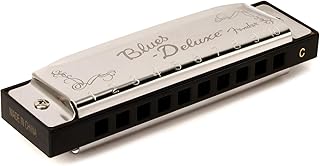
| Fender Blues Deluxe (Key of C) | Blues players starting out | Responsive reeds tuned for blues phrasing | Single key only; expandable later |
| Suzuki Olive C20 | Smooth, even response | Well-sealed body that bends predictably | Costs more than budget diatonics |
| EastRock 10-Hole Blues Harmonica | Trying the instrument cheaply | Phosphor bronze reeds with a case | Airtightness is less consistent |
| East top 008K (Blue Case) | Best value bending performance | Solid reed plates that bend cleanly | Cover plates can feel sharp at the edges |
| East top 008K (Black Cover) | The same harp with darker covers | Same reed quality in a black finish | Cosmetic difference only |
How to Choose
- Start in the key of C: Nearly all instructional material assumes it, and cross harp on a C harmonica puts you in G, which is a common blues and folk key.
- Diatonic for blues and folk: Ten-hole diatonics are what the classic harmonica sound comes from. Chromatic harmonicas with a slide button suit jazz and classical, and are harder to start on.
- Comb material affects feel: Plastic combs are sealed, durable and comfortable. Wooden combs sound warm but can swell with moisture. Metal is durable and cold to the lips.
- Airtightness enables bending: A harp that leaks between the reed plates and comb will not bend cleanly. This is the main thing separating cheap harmonicas from good ones.
- Buy a case: Harmonicas live in pockets and pick up lint and grit, which fouls the reeds. A case costs almost nothing and roughly doubles the working life.
Top Picks Reviewed
Best Multi-Key Set: Hohner Special 20 Bundle
Five Special 20 harmonicas covers the keys you actually need to play along with other musicians, and the Special 20’s sealed plastic comb is famously comfortable against the lips while being airtight enough to bend easily.
It is the largest outlay here. If you are still deciding whether harmonica is for you, buy one harp in C and come back to a set later.
Best for Blues: Fender Blues Deluxe in C
A ten-hole diatonic with responsive reeds that bend without a fight, which is what blues phrasing depends on. In the key of C it puts your cross-harp playing in G, which is where an enormous amount of blues repertoire lives.
It is one harmonica in one key. Playing along with recordings in other keys will eventually mean buying more.
Smoothest Response: Suzuki Olive C20
Suzuki’s build quality shows in how evenly this responds across all ten holes — no dead spots, no reeds that need more air than their neighbours. Bends arrive predictably, which makes learning the technique far less frustrating.
It costs more than entry-level diatonics. For a player who has decided they are serious, that is money well spent on consistency.
Best Cheap Trial: EastRock 10-Hole Blues Harmonica
Phosphor bronze reeds and metal cover plates with a case, at a price that makes trying the instrument nearly risk-free. It plays cleanly enough to learn single notes and simple melodies.
Airtightness varies more than on premium harps, which makes bending harder to learn. If bends feel impossible, the instrument may be part of the problem.
Best Value Bender: East top 008K with Blue Case
East top’s 008K punches well above its price on the thing that matters most — the reed plates seal well enough that bends come out cleanly, which is usually the dividing line between cheap and usable.
The cover plate edges can feel sharp against the lips until you get used to them. Some players smooth them slightly; most simply adapt.
Best Alternative Finish: East top 008K with Black Cover
Identical reed quality and airtightness in a black cover plate finish, for players who prefer the look. Twenty tones across ten holes covers a full major scale plus bends.
The difference is purely cosmetic, so choose on price and appearance rather than expecting a different playing experience.
Frequently Asked Questions
Which key should I buy first?
C. Almost all instructional material is written for it, and cross harp on a C harmonica plays in G, one of the most common keys for blues and folk jams.
What is cross harp?
Playing in second position, where you treat the fifth degree of the harmonica’s key as your root. On a C harmonica that means playing in G, which puts the bendable draw notes where blues phrasing needs them.
Why can I not bend notes?
Bending needs a change in the shape of your mouth and throat, not more air. It also needs an airtight harmonica. If your harp leaks, bends will be difficult regardless of technique.
How do I clean a harmonica?
Tap it out gently after playing, avoid eating just before, and let it dry cover-down. Avoid submerging harps with wooden combs, since the wood swells and the comb can distort.
Final Thoughts
Buy a diatonic in C from a maker whose reed plates actually seal, keep it in a case, and learn cross harp early because that is where the sound you want lives. Once you know you enjoy it, a set of harps in the common keys turns the instrument from a solo curiosity into something you can take to a jam.