Key takeaways
What's inside
Fluoride water filter shopping trips up buyers, because most everyday carbon pitchers do not reduce fluoride, so this fluoride water filter guide ranks only picks with the right method and certification. Below are six options with honest drawbacks, weighed on method, NSF 53, capacity, and the form here.
As an Amazon Associate we earn from qualifying purchases at no extra cost to you. Product prices and availability are accurate as of the date shown and are subject to change.


As an Amazon Associate we earn from qualifying purchases.
By Daniel Foster
Why Most Filters Do Not Remove Fluoride
Standard carbon filters improve taste and reduce chlorine but do little for fluoride, which needs specific media like activated alumina or bone char, or reverse osmosis. Sorting the method, certification, and capacity first keeps a fluoride water filter honest, since many products implying purity have no certified fluoride reduction at all, and buyers assume otherwise.
Fluoride Filter Decision Numbers
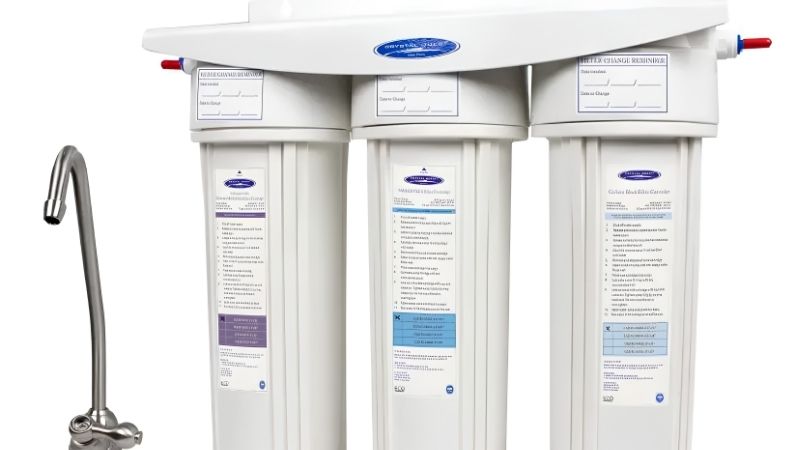
The deciding factors are the reduction method (activated alumina, bone char carbon, or reverse osmosis, since standard carbon does not remove fluoride), the NSF/ANSI 53 certification for fluoride specifically, the capacity in gallons before the media is exhausted, and the form factor (pitcher, under-sink, or gravity).
Then confirm the certification names fluoride, since a filter certified only under Standard 42 for taste is not a fluoride filter, regardless of marketing. Reverse osmosis reduces fluoride along with most other dissolved solids, while alumina and bone char target it more specifically, each with its own capacity and replacement rhythm.
Check the realistic capacity, since fluoride-reduction media can exhaust faster than general carbon, so replacement cost and frequency matter. This guide focuses on how to reduce fluoride effectively; decisions about whether to do so are personal and beyond its scope, so match the filter to your own goals. The right fluoride water filter uses alumina, bone char, or RO, and carries a listing that names fluoride.
Placement, Space, And Fit
Pitchers and gravity units need only counter or fridge space and no install, suiting renters, while under-sink and RO systems mount in the cabinet with a dedicated faucet and, for RO, a drain. Match the form to whether you want zero-install simplicity or higher capacity and flow at a fixed tap.
Gravity systems with fluoride-specific elements filter slowly and store water, taking vertical space, while RO occupies cabinet room with a tank or a tankless unit. Confirm the footprint and, for RO, the drain and pressure needs, since fluoride reduction via RO carries the same install considerations as any RO system.
For renters, a certified fluoride pitcher or a gravity unit with add-on fluoride elements avoids plumbing entirely. Homeowners wanting higher flow and capacity should favor under-sink RO, keeping media or membrane access easy so the fluoride-reduction stage is replaced on schedule. Choosing a form that fits your space keeps the fluoride stage practical to maintain over time.
Method, Certification, And Capacity
Activated alumina and bone char carbon adsorb fluoride specifically, used in certain pitchers, gravity elements, and cartridges, with capacity that depends on fluoride levels and volume. These targeted media reduce fluoride while keeping the setup simpler than RO, but they exhaust and must be replaced on schedule to keep working.
Reverse osmosis reduces fluoride along with most dissolved solids, making it a broad solution, though it also removes beneficial minerals and produces wastewater. If you want fluoride reduction plus wide contaminant removal, RO covers both, while alumina or bone char is more targeted if fluoride is your only concern.
Certification is the deciding check: look for an NSF/ANSI 53 listing that specifically names fluoride, since that is the evidence the filter actually reduces it. Capacity and replacement cost follow, so weigh how much filtered water you use against how quickly the fluoride-reduction media exhausts on your water. Because fluoride media exhausts, tracking capacity matters more than with a general taste filter.
Top Fluoride Filter Picks
These six span certified pitchers, RO systems, and gravity units with fluoride elements, so this fluoride water filter guide points only to options that genuinely reduce fluoride. Each entry names a real drawback, because the right pick depends on your form-factor preference and whether you want targeted fluoride media or broad RO removal. Reading each drawback closely helps you match method and form to your water and your goals.
| Pick | Method | Form | Best for |
|---|---|---|---|
| Clearly Filtered | Multi-stage | Pitcher | No-install pitcher |
| AquaTru | Reverse osmosis | Countertop | Broad removal |
| APEC RO | Reverse osmosis | Under-sink | Higher capacity |
| Berkey + fluoride elements | Gravity + media | Gravity | Off-grid reliability |
| Epic pitcher | Multi-stage | Pitcher | Everyday use |
| Home Master RO | Reverse osmosis | Under-sink | Remineralized RO |
Clearly Filtered For A No-Install Pitcher
Clearly Filtered’s pitcher uses multi-stage media with claimed reduction of fluoride and a broad contaminant list, offering a no-install option for renters. For buyers who want a pitcher that actually targets fluoride, it is a convenient, plumbing-free choice.
The drawback is a higher price than basic pitchers, slower filtration, and filters that need regular replacement, plus you should confirm the specific fluoride certification. Capacity is modest compared with RO, so it suits drinking water rather than whole-household volumes.
For a no-install fluoride pitcher, Clearly Filtered leads this guide. Verify the fluoride-specific certification, budget for replacement filters, and treat it as a drinking-water solution, choosing it when zero plumbing matters more than the higher capacity of an under-sink RO system. For a rental, a certified pitcher is the least fussy way to target fluoride in drinking water.
AquaTru For Broad Removal
AquaTru is a countertop RO purifier that reduces fluoride along with a broad contaminant range, needing no under-sink plumbing. For renters who want RO-level fluoride reduction plus wide removal without installing a system, it is a strong, flexible option.
The drawback is a larger footprint, the need for power, refilling the tank, and proprietary filters, and RO removes minerals along with fluoride. Confirm the certifications for your concerns, and factor the ongoing filter cost typical of RO systems.
For broad removal including fluoride, AquaTru is a standout here. Confirm counter space, verify the certifications, and budget for filters, choosing it when you want RO-level reduction with no plumbing, and add remineralization if you prefer mineral taste over very pure water.
APEC RO For Higher Capacity
APEC’s under-sink RO systems reduce fluoride and a wide contaminant range with higher capacity and on-demand flow at a dedicated faucet. For households wanting more filtered water than a pitcher provides, under-sink RO delivers fluoride reduction with greater volume.
The drawback is the cabinet space, drain, slower filtered flow, and wastewater of RO, plus mineral removal and remineralization only as an add-on. Confirm the certifications for your concerns, and factor the membrane and filter replacement cost.
For higher-capacity fluoride reduction, APEC RO is a dependable pick here. Plan the cabinet space and drain, verify certifications, and add a remineralization stage if you want mineral taste, choosing under-sink RO when volume and flow matter more than a pitcher’s simplicity.
Berkey Plus Fluoride Elements For Off-Grid Reliability
Gravity systems like Berkey can add fluoride-reduction elements alongside their main filters, reducing fluoride with no power or plumbing while storing filtered water. For off-grid reliability or outages, the gravity approach with fluoride add-ons is uniquely independent of infrastructure.
The drawback is a tall footprint, slow gravity filtration, add-on element cost, and manufacturer claims some buyers want independently verified. Confirm the fluoride elements are installed and their capacity, since fluoride reduction depends on those specific add-ons, not the base filter.
For off-grid fluoride reduction, a Berkey with fluoride elements fits this guide. Confirm vertical space, install and track the fluoride elements, and verify the reduction claims, choosing it when powerless, high-capacity filtration matters more than on-demand speed or a compact footprint. Confirming the fluoride elements are installed is essential, since the base filter alone does not reduce it.
Epic Pitcher For Everyday Use
Epic’s pitchers use multi-stage media with claimed fluoride reduction and a broad contaminant list, offering an everyday no-install option. For buyers who want a straightforward fluoride-reducing pitcher for daily drinking water, it balances convenience and targeted reduction.
The drawback is regular filter replacement, slower filtration, and modest capacity, plus you should confirm the specific fluoride certification. Like any pitcher, it suits drinking water rather than whole-home volumes, and media exhausts faster on high-fluoride water.
For everyday fluoride reduction, the Epic pitcher is a practical pick here. Verify the fluoride-specific certification, keep replacement filters on hand, and treat it as a drinking-water solution, choosing it when a simple, plumbing-free pitcher suits your household better than an RO install. Verifying the fluoride certification matters here, since many pitchers imply it without holding it.
Home Master RO For Remineralized RO
Home Master’s RO systems reduce fluoride and a broad contaminant range, then add a remineralization stage to restore minerals and improve taste after the membrane. For buyers who want RO fluoride reduction without the flat taste of pure RO water, the mineral stage is a genuine plus.
The drawback is the usual under-sink space, drain, and wastewater of RO, plus more stages to maintain. Confirm the certifications for your concerns, and factor the ongoing filter and membrane cost, since remineralized RO adds a stage to service.
For remineralized RO fluoride reduction, Home Master is a strong pick here. Plan cabinet space and the drain, verify certifications, and keep replacement stages on hand, choosing it when you want fluoride reduction plus balanced mineral taste over a simpler pitcher or plain RO. The remineralization stage is the reason to pick it over a plain RO that can taste flat.
See More:
- Best eyeshadow blender brush
- Best frozen foods for air fryer
- Best frozen food for air fryer
- Best way to reheat steak in air fryer
- Best air fryer recipes book
Choosing Your Fluoride Water Filter
The best fluoride water filter for you starts with method and certification: certified pitchers from Clearly Filtered or Epic and gravity units with fluoride elements for no-install use, or RO systems from AquaTru, APEC, or Home Master for broad, higher-capacity reduction. Always confirm an NSF/ANSI 53 listing that names fluoride specifically. Match the form to your household and remember standard carbon does nothing for fluoride.
Match the form to your space and volume, factor the replacement cost of fluoride-reduction media, and remember standard carbon does not remove fluoride. Because interest in fluoride reduction is a personal choice rather than a health recommendation this guide makes, focus on effectiveness, and the goal of this fluoride water filter guide is simply a filter that genuinely reduces fluoride as certified. Confirm the standard, pick the form, and the fluoride stage will do its job as long as it is fresh.