Key takeaways
What's inside
Lead removal water filter shopping hinges on certification for lead specifically, since not every taste filter reduces lead, so this lead removal water filter guide ranks only certified picks below here. Below are six options with honest drawbacks, weighed on method, NSF 53 lead, capacity, and form.
As an Amazon Associate we earn from qualifying purchases at no extra cost to you. Product prices and availability are accurate as of the date shown and are subject to change.




As an Amazon Associate we earn from qualifying purchases.
By Daniel Foster
Why Lead Certification Is Non-Negotiable
Lead usually enters water from older pipes and fixtures after it leaves the treatment plant, so filtration at home matters, but only if the filter is certified for lead. Sorting the method, the NSF/ANSI 53 lead certification, and replacement first keeps a lead removal water filter grounded in tested performance, since a taste filter is not a lead filter.
Lead Filter Decision Numbers
The deciding factors are the reduction method (a certified carbon block or reverse osmosis, since basic carbon may not reduce lead), the NSF/ANSI 53 certification for lead specifically, the capacity in gallons and the replacement schedule, and the form factor from pitcher to under-sink or RO.
Then confirm the certification names lead, since Standard 42 for taste does not cover it, and a filter must be tested under Standard 53 for lead to be trusted. Replacement is critical, because a spent lead filter stops protecting, and lead is not something you can taste or smell to know it is getting through.
Check the realistic capacity for your water and household, and never stretch a lead filter past its rated life, since effectiveness drops as media exhausts. This guide covers choosing an effective, certified filter; for your specific pipes and water, a certified lead test and your utility’s reports are the right sources.
Placement, Space, And Fit
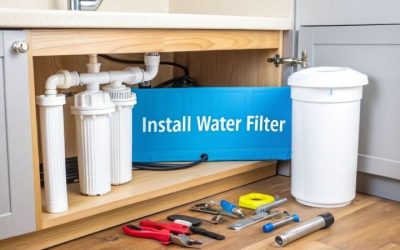
Pitchers and faucet-mount filters need no install and suit renters, while under-sink carbon blocks and RO systems mount in the cabinet with a dedicated faucet, and RO adds a drain. Match the form to whether you want plumbing-free simplicity or the higher capacity and flow of a fixed-tap system.
Faucet-mount and pitcher filters are the easiest to add and move, ideal for rentals, while under-sink units free the counter and deliver more volume. Confirm the footprint and any drain for RO, and that a faucet-mount fits your tap, since some sprayers are not compatible.
For older homes where lead pipes or fixtures are a concern, a certified filter at the kitchen tap protects drinking and cooking water. Homeowners wanting higher capacity should favor under-sink options, keeping the cartridge or membrane accessible so the lead-reduction stage is replaced on time. Because you cannot taste or smell lead, following the replacement schedule exactly is what keeps you safe.
Method, Certification, And Replacement
Certified carbon block filters reduce lead when specifically tested for it, keeping high flow and minerals while avoiding wastewater, making them a simple, effective option where the certification covers lead. The certification, not the carbon alone, is what confirms lead reduction, so always check the listing.
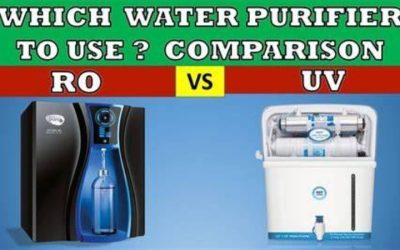
Reverse osmosis reduces lead along with a broad contaminant range, delivering very clean water at the cost of a drain, slower flow, and wastewater. Choose RO when you want lead reduction plus wide removal, or a certified carbon block when high flow and retained minerals matter and lead is the main target.
Replacement is the safety-critical factor: because you cannot sense lead, follow the filter’s schedule exactly and never overrun the rated capacity. Track usage or use a filter with an indicator, since a lead filter that is past its life gives a false sense of safety while letting lead through. An indicator or a tracked date helps, since an overrun filter gives false confidence.
Top Lead Filter Picks
These six span certified pitchers, faucet-mount filters, under-sink carbon blocks, and RO, so this lead removal water filter guide points only to options certified to reduce lead. Each entry names a real drawback, because the right pick depends on your form-factor preference and whether you want a certified carbon block or the broad removal of RO. The right lead removal water filter is certified for lead and replaced before its media exhausts. Reading each drawback closely helps you match method and form to your water and your home.
| Pick | Method | Form | Best for |
|---|---|---|---|
| Clearly Filtered | Multi-stage | Pitcher | No-install pitcher |
| PUR faucet mount | Carbon | Faucet-mount | Easy tap install |
| ZeroWater | Multi-stage | Pitcher | Dissolved solids |
| Aquasana Claryum | Carbon block | Under-sink | High flow |
| AquaTru | Reverse osmosis | Countertop | Broad removal |
| APEC RO | Reverse osmosis | Under-sink | Higher capacity |
Clearly Filtered For A No-Install Pitcher
Clearly Filtered’s pitcher uses multi-stage media with claimed lead reduction and a broad contaminant list, offering a plumbing-free option for renters. For buyers who want a pitcher tested to reduce lead, it is a convenient, no-install choice for drinking water.
The drawback is a higher price, slower filtration, and regular replacement, and you should confirm the specific lead certification. Capacity suits drinking water rather than whole-home volumes, and media exhausts faster with higher contaminant loads.
For a no-install lead pitcher, Clearly Filtered leads this guide. Verify the lead-specific certification, budget for replacement filters, and never overrun the rated life, choosing it when zero plumbing matters more than the capacity and flow of an under-sink system.
PUR Faucet Mount For Easy Tap Install
PUR’s faucet-mount filters attach to the tap and reduce lead on certified models, offering an easy, low-cost install with a switch between filtered and unfiltered water. For renters and quick setups, the tap-mounted design is one of the simplest ways to add certified lead reduction.
The drawback is frequent cartridge changes, possible incompatibility with some faucets, and lower capacity than under-sink units. Confirm the specific lead certification for the model, since not all cartridges carry it, and track the change schedule closely.
For easy tap-install lead reduction, PUR is a practical pick here. Confirm faucet compatibility and the lead certification, replace cartridges on schedule, and choose it when a simple, movable filter suits a rental better than an under-sink or RO installation. Confirming the model’s lead certification matters, since not every faucet cartridge carries it.
ZeroWater For Dissolved Solids
ZeroWater’s multi-stage pitchers reduce lead on certified models and drive total dissolved solids very low, with an included meter to track TDS. For buyers who want measurable reduction and lead certification in a pitcher, the TDS meter adds a satisfying, if partial, feedback loop.
The drawback is that filters exhaust relatively quickly, especially on high-TDS water, raising replacement cost, and the water can taste flat. Confirm the lead certification for your model, and remember the TDS meter measures dissolved solids overall, not lead specifically.
For low dissolved solids with lead reduction, ZeroWater is a distinctive pick here. Verify the lead certification, budget for frequent filter changes on hard water, and use the meter as a change indicator, choosing it when measurable TDS reduction appeals alongside certified lead performance. The TDS meter is a handy change indicator, though it measures solids overall, not lead alone.
Aquasana Claryum For High Flow
Aquasana’s Claryum under-sink filters reduce lead and a range of contaminants on certified models while keeping high flow and minerals, avoiding RO’s drain and slower output. For buyers who want certified lead reduction without RO’s complexity, it is a strong carbon-block choice. For buyers who dislike RO’s drain, a certified carbon block is the simpler certified route.
The drawback is reliance on proprietary cartridges and their cost, and it does not remove dissolved solids like RO. Confirm the specific lead certification for the model, and stock replacement cartridges so the lead-reduction stage is never overrun.
For high-flow lead reduction, Claryum is a strong pick in this guide. Verify the lead certification, plan the dedicated faucet, and keep cartridges on hand, choosing it when retained minerals and flow matter more than the fuller demineralization of an RO system. For high flow with retained minerals, a certified carbon block avoids RO’s drain and slower output.
AquaTru For Broad Removal
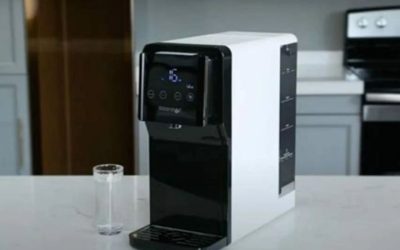
AquaTru is a countertop RO purifier that reduces lead along with a broad contaminant range, needing no under-sink plumbing. For renters who want RO-level lead reduction plus wide removal without installing a system, it is a strong, flexible option.
The drawback is a larger footprint, power, tank refilling, and proprietary filters, and RO removes minerals along with contaminants. Confirm the certifications for lead and your other concerns, and factor the ongoing filter cost typical of RO.
For broad removal including lead, AquaTru is a standout here. Confirm counter space, verify the certifications, and budget for filters, choosing it when RO-level reduction with no plumbing matters, and add remineralization if you prefer mineral taste over very pure water.
APEC RO For Higher Capacity
APEC’s under-sink RO systems reduce lead and a wide contaminant range with higher capacity and on-demand flow at a dedicated faucet. For households wanting more filtered water than a pitcher provides, under-sink RO delivers lead reduction with greater volume.
The drawback is the cabinet space, drain, slower filtered flow, and wastewater of RO, plus mineral removal and remineralization only as an add-on. Confirm the certifications for lead and your concerns, and factor the membrane and filter replacement cost.
For higher-capacity lead reduction, APEC RO is a dependable pick here. Plan the cabinet space and drain, verify certifications, and add a remineralization stage if you want mineral taste, choosing under-sink RO when volume and flow matter more than a pitcher’s simplicity.
See More:
- Best eyeshadow blender brush
- Best frozen foods for air fryer
- Best frozen food for air fryer
- Best way to reheat steak in air fryer
- Best air fryer recipes book
Choosing Your Lead Removal Water Filter
The best lead removal water filter for you starts with an NSF/ANSI 53 lead certification, then the form: pitchers from Clearly Filtered or ZeroWater and faucet mounts from PUR for no-install use, or under-sink Claryum and RO from AquaTru or APEC for higher capacity. Never trust a taste-only filter to reduce lead. Match the form to your space, and confirm the listing names lead before you rely on it.
Match the form to your space and volume, follow the replacement schedule exactly since you cannot sense lead, and confirm the certification names lead. Because older homes with lead pipes and ongoing service-line replacements keep this concern current, testing your water is wise, and the goal of this lead removal water filter guide is a filter certified and maintained to reduce lead reliably. Confirm the lead listing, replace on schedule, and the filter will protect drinking water reliably.