Key takeaways
What's inside
An air purifier for smoke has to do two hard things: capture ultrafine smoke particles with True HEPA and adsorb smoke gases and smell with a deep bed of activated carbon. This guide ranks seven strong picks, explains the smoke CADR and coverage numbers that matter, and shows how to match one to your room during wildfire season.
As an Amazon Associate we earn from qualifying purchases.
By Daniel Foster
Best Air Purifiers for Smoke
Smoke is the toughest test for a purifier because it demands both fine-particle capture and heavy carbon for the gases and odor. Each air purifier for smoke below is ranked on its smoke CADR, carbon depth, and the coverage it can hold when outdoor air quality turns hazardous.
Coway Airmega 400 — Best Overall for Smoke
The Airmega 400 is manufacturer-rated for large rooms up to roughly 1,560 sq ft (145 m²) at lower turnover and much less at smoke-grade ACH, pairing dual True HEPA and carbon filters. Its sensor and auto mode respond fast when wildfire smoke pushes indoor PM2.5 up.
It is large and the twin filters are a real ongoing cost, especially during a long smoke season. For a big living space where you want serious smoke handling with automation, though, it is the balanced high-capacity pick most buyers settle on.
Alen BreatheSmart 75i — Best Smoke-Tuned Premium
The Alen 75i offers a smoke-and-odor filter option and covers large open areas, with a color indicator and a long warranty behind the premium price. Its high turnover and smoke-specific media make it a strong choice where wildfire smoke is a recurring seasonal problem.
It is expensive and the specialized filters cost more than generic packs. For a large room and an owner who wants media tuned specifically for smoke, plus an appliance built to last, the premium is defensible over a general-purpose unit.
Austin Air HealthMate — Best Deep Carbon Bed
The Austin Air HealthMate carries pounds of activated carbon and a large HEPA, which is why it excels at heavy smoke gases and lingering odor that thin-carbon units miss. Its steel body and simple dial feel built for years of hard seasonal use.
It is heavy, plain-looking, and expensive, with no sensor or smart features. For wildfire-prone homes or anyone dealing with persistent smoke smell, though, the sheer depth of its carbon bed is hard to match at any price in the mainstream field.
Medify MA-112 — Best High-CADR for Big Rooms
The Medify MA-112 delivers a very high CADR with dual intakes and True HEPA plus carbon, rated for large rooms on its top setting. That fast turnover clears a smoky room quickly, which matters when outdoor air is bad and you want relief now, not in an hour.
It is loud at maximum and its carbon is modest next to a dedicated deep-bed unit. For clearing a large space fast during a smoke event, though, few units at its price move as much air through proper filtration as this one manages.
Winix 5500-2 — Best Value for Light Smoke
The Winix 5500-2 pairs True HEPA with a thick washable carbon pre-filter and is rated for roughly 360 sq ft (33 m²), handling cooking smoke and light wildfire haze well for the money. It is the sensible budget pick for a single room during moderate smoke.
Switch off its PlasmaWave ionizer to avoid trace ozone, and accept that severe, sustained smoke will overwhelm its carbon faster than a deep-bed unit. For light-to-moderate smoke in one room, though, it is an easy, affordable recommendation.
Blueair Blue Pure 211+ — Best Simple Large-Room Pick
The Blue Pure 211+ moves a lot of air, rated for roughly 540 sq ft (50 m²), with a carbon layer under its washable fabric pre-filter. Its one-button simplicity suits people who just want to crank the fan when smoke rolls in without navigating menus.
There is no sensor or auto mode, and its carbon is lighter than a smoke specialist. For raw airflow in a large room during a haze event, though, its high turnover keeps particulate levels down while the simple design stays out of your way.
Levoit Core 400S — Best Smart Smoke Monitor
The Core 400S shows live PM2.5, which is genuinely useful during wildfire season when you want to know whether indoor air is safe. Rated for up to about 403 sq ft (37 m²), it covers a large bedroom or small living room with a HEPA-and-carbon stack.
Heavy smoke still favors a carbon-heavy unit, and smart features depend on the app. As a monitor-plus-purifier for moderate smoke, though, watching your indoor PM2.5 fall in real time is exactly the reassurance many people want when the sky turns orange outside.
| Model | Rated Coverage | Carbon Depth | Smoke Strength | Price Tier |
|---|---|---|---|---|
| Coway Airmega 400 | Large (dual filter) | Substantial | Excellent | Premium |
| Alen 75i | Large open areas | Smoke filter option | Excellent | Premium |
| Austin Air HealthMate | Large room | Deep carbon bed | Excellent (odor) | Premium |
| Medify MA-112 | Large room | Moderate | Fast turnover | Mid–Premium |
| Winix 5500-2 | ~360 sq ft / 33 m² | Thick pre-filter | Light–moderate | Budget–Mid |
| Blue Pure 211+ | ~540 sq ft / 50 m² | Light | Airflow-based | Mid |
| Levoit Core 400S | ~403 sq ft / 37 m² | Moderate | Moderate + monitor | Mid |
Coverage and CADR are manufacturer ratings; confirm current figures for your model, and note prices change at the time of purchase.
How to Choose an Air Purifier for Smoke
Choosing an air purifier for smoke means prioritizing smoke CADR and carbon depth, then sizing coverage generously because smoke demands high turnover. Mind filter cost too, since a bad smoke season burns through carbon fast and can double the running cost you first budgeted for.
Decisive Numbers: Smoke CADR and Carbon Depth
Smoke CADR is the number to lead with, since smoke particles are ultrafine and demand fast, thorough capture. Pair it with carbon depth, because the gases and smell in smoke are adsorbed by carbon, not caught by HEPA, and a thin carbon sheet saturates quickly under heavy smoke.
Size coverage generously, aiming for high air changes per hour, and treat the box figure as a maximum. During a wildfire event you want the room cleared fast and held clean, so a unit rated well above your room size gives you the margin that smoke conditions require.
Space and Fit: Sealing and Placing the Room
Match the rated coverage to your room at high ACH, then place the unit centrally with clearance so airflow is not choked. During a smoke event, close windows and doors and run the unit in the room you occupy, since a sealed space lets it keep pace with the load.
Measure before buying so a large open-plan area gets a unit actually sized for it, not a bedroom model that will lose the fight. Planning both the machine and the room seal together is what turns an air purifier for smoke into real relief rather than a token gesture.
True HEPA Plus Carbon, Never Ozone
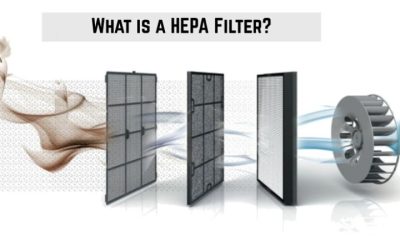
Insist on True HEPA for the ultrafine particulates and a substantial carbon stage for the gases and odor; both are essential for smoke. The cheaper HEPA-type label falls short, and carbon-light units leave a room clear of visible haze but still smelling of smoke.
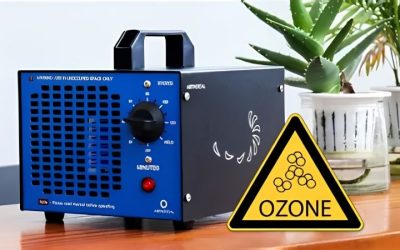
Never use an ozone generator against smoke, since ozone is itself a lung irritant and adds a pollutant rather than removing one. Mechanical True HEPA and carbon clean smoke without producing ozone, which is the only safe approach for a room you are breathing in.
Filter Life and Smoke-Season Cost
Smoke saturates carbon and loads HEPA far faster than clean-air use, so filters are a recurring, front-loaded cost during a bad season. Add up replacements for a heavy smoke year, not an average one, and stock a spare so you are not caught unfiltered mid-event.
Deep-bed carbon units cost more per filter but last longer against sustained smoke, which can work out cheaper over a wildfire season. Match the filter economics to how often your area actually sees smoke, so the running cost reflects your real climate rather than a best case.
Frequently Asked Questions
A few questions come up whenever smoke season approaches. These short answers cover the practical points that shape a smart choice before you commit to a unit for wildfire haze or indoor smoke.
Can an air purifier remove wildfire smoke indoors?
A True HEPA and carbon unit sized for your sealed room can substantially reduce smoke particles and odor, though no purifier makes hazardous outdoor air perfectly clean. Close windows, run it in the room you occupy, and treat it as strong reduction rather than complete removal.
Do I need extra carbon for smoke?
Yes; smoke contains gases and smell that HEPA cannot catch, so a substantial carbon stage is essential and thin carbon saturates fast. For frequent or heavy smoke, a deep carbon-bed unit handles the odor far better than a general-purpose purifier with a token carbon layer.
Should I use an ozone generator against smoke?
No; ozone generators are not recommended for occupied rooms because ozone irritates the lungs, adding a pollutant instead of removing one. Use a mechanical True HEPA and carbon purifier, which clears smoke particles and odor without producing ozone in the air you breathe.
See More:
- Best eyeshadow blender brush
- Best frozen foods for air fryer
- Best frozen food for air fryer
- Best way to reheat steak in air fryer
- Best air fryer recipes book
Final Word on the Air Purifier for Smoke
The best air purifier for smoke leads with high smoke CADR and a deep carbon bed, sized generously so it can clear and hold a sealed room during a haze event. Measure the space, size up, and budget filters for a heavy season rather than an average one, since smoke burns through carbon fast. Skip ozone generators entirely, seal the room, and verify current specs and price at purchase. Get those basics right and any pick above becomes a genuinely capable air purifier for smoke when the season demands it.