Key takeaways
What's inside
air purifier vs humidifier decisions often confuse homeowners seeking healthy indoor living. While one captures airborne particles, the other balances dry air. Understanding their distinct operating mechanics helps you invest wisely without wasting your household budget across changing seasons and harsh weather.
As an Amazon Associate we earn from qualifying purchases at no extra cost to you. Product prices and availability are accurate as of the date shown and are subject to change.


By Daniel Foster
As an Amazon Associate we earn from qualifying purchases.
Core Differences and Performance Metrics
Evaluating an air purifier vs humidifier requires understanding what each device adds to or removes from indoor air. Before examining specific hardware models, buyers should review certified laboratory performance data to verify that their investment targets real airborne irritants rather than imaginary household issues.
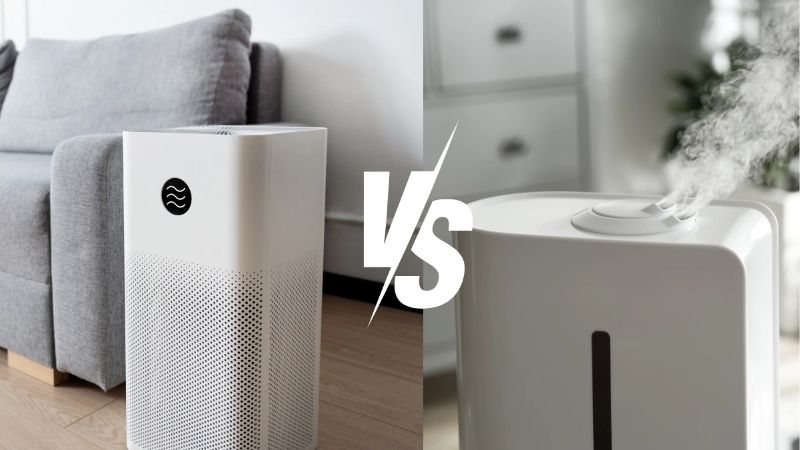
Deciding Metrics: CADR Ratings and Moisture Output
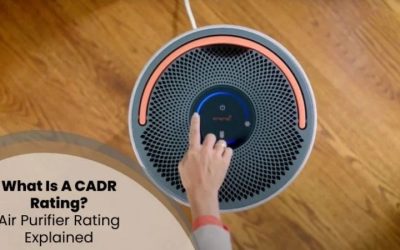
Clean Air Delivery Rate, or CADR, measures an air purifier’s cubic feet per minute of purified air for smoke, dust, and pollen. Verified by AHAM across testing chambers, effective residential units deliver at least 150 to 250 cfm (255 to 425 m³/h) to ensure four full air changes per hour in standard family rooms.
Humidifier output is measured by daily moisture dissipation rates, typically ranging from 1.5 to 3.0 gallons (5.7 to 11.4 L) per day. Evaporative and ultrasonic designs maintain recommended relative humidity levels between 30% and 50%, preventing throat irritation without allowing condensation on windows.
Comparing these benchmarks clarifies operational roles. Air cleaners cycle stagnant room air through high-efficiency barriers, whereas humidifiers inject distilled mist into dry surrounding spaces. Relying on verified performance numbers prevents purchasing undersized machines unable to regulate your home.
Space and Fit: Room Coverage and Machine Footprint
Always measure your exact floor footprint and ceiling height before ordering any climate appliance online. An air cleaner rated for 300 sq ft (28 m²) struggles in open living spaces of 600 sq ft (56 m²). Always verify room square footage first to ensure your chosen hardware achieves adequate ventilation.
When deciding on an air purifier vs humidifier, consider machine clearances around walls and furniture. Air purifiers need roughly 15 inches (38 cm) of open perimeter space for intake grilles, while ultrasonic humidifiers require elevated placement on desks or tables to prevent damp hardwood flooring.
Physical dimensions influence practical placement throughout small urban apartments or bedrooms. Cylindrical air purifiers occupy a compact 9-inch (23 cm) diameter footprint, whereas four-liter humidifiers take up wider nightstand real estate and demand unhindered vapor paths away from drywall and outlets.
Filtration vs Evaporation: Mechanical Operations
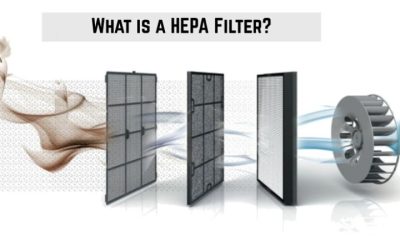
Air purifiers utilize internal centrifugal blowers to pull indoor contaminants through specialized mechanical layers. A dense pre-filter traps loose pet fur, an activated carbon bed absorbs odors and volatile compounds, and a True HEPA layer captures 99.97% of tiny particles down to 0.3 microns in diameter.
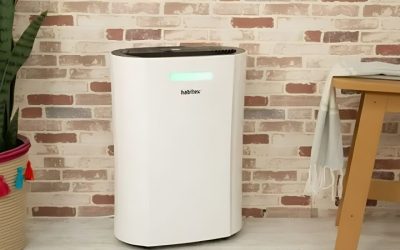
Conversely, humidifiers rely on ultrasonic vibrating diaphragms or moisture-wicking evaporative filters to disperse clean water. Ultrasonic units produce fine cool plumes via high-frequency ceramic plates, while evaporative types blow ambient room air through damp treated paper wicks to lift vapor naturally.
These divergent mechanisms address entirely different indoor comfort challenges. Mechanical filters trap floating allergens, dust motes, and soot without modifying room moisture. Evaporative hardware balances arid winter environments without extracting particulate debris or airborne cooking residue.
Practical Living Scenarios and Environmental Factors
Household requirements shift drastically between climate regions, building construction types, and weather seasons. Navigating the air purifier vs humidifier balance involves assessing whether your current home environment suffers primarily from dry ambient air or elevated airborne particulates throughout the year.
Seasonal Demands: Wildfire Smoke and Dry Winter Air
Late summer brings hazardous wildfire smoke plumes across western regions, raising EPA Air Quality Index readings above 150. During these intense pollution events, mechanical HEPA purifiers run continuously on high settings to capture microscopic soot particles that would otherwise penetrate deep into indoor spaces.
Winter heating cycles reverse this priority by drying out interior spaces below 20% relative humidity. Forced-air furnaces pull moisture from nasal passages, chapping lips and aggravating skin. Humidifiers restore comfortable living conditions by introducing moisture without needing continuous high-speed fans.
Retail calendars reflect these distinct demands. Major promotional periods like Prime Day in late June or Black Friday in late November present rare opportunities to secure high-performance climate hardware at discount rates before seasonal weather transitions drive up prices or deplete distributor warehouse stocks.
Total Cost of Ownership: Recurring Filter and Water Care
Calculating total cost in the air purifier vs humidifier equation requires factoring in hidden ongoing maintenance fees. Genuine replacement True HEPA filters cost between $30 and $70 every six to twelve months, representing an unavoidable operational commitment that exceeds the initial budget purchase tag.
Humidifiers present lower component swap costs but demand persistent time investment. Evaporative paper wicks require bi-monthly replacements costing roughly $15, while ultrasonic systems require demineralization cartridges and distilled water to prevent white calcium dust from coating your nearby electronics.
Neglecting recurring supplies undermines performance and creates mechanical risks. Saturated carbon beds release trapped odors, while clogged humidifier wicks restrict vapor flow and cultivate bacterial slime. Evaluating long-term maintenance budgets ensures your indoor appliances function reliably over years.
Acoustic Limits: Fan Noise and Bedroom Placement
Noise output directly influences everyday sleep quality when appliances operate beside your bed. Premium air purifiers feature quiet sleep modes generating 22 to 25 dB on low settings, whereas high-speed filtration pushes fan noise past 52 dB, producing a steady whooshing sound similar to an office desktop fan.
Ultrasonic humidifiers operate nearly silently at 26 to 28 dB, making them exceptionally discreet for sleeping spaces. However, frequent water bubbling sounds and bright internal LED displays can interrupt sensitive sleepers unless the model includes dedicated display blackout controls and insulated water valves.
Always test acoustic profiles across all fan speeds before setting up permanent nightstand positions. If a purifier sounds uncomfortably loud at effective air-cleaning speeds, relocating the chassis several feet from your headrest ensures peaceful rest while maintaining active whole-room air movement throughout the night.
Top Recommended Models and Practical Selection
Selecting between an air purifier vs humidifier requires matching reputable brand designs to your room square footage and functional priorities. Below are top-tier market performers that deliver verified output, durable mechanical construction, and practical user controls across standard residential spaces.
Best Compact Air Purifiers for Bedrooms
The Levoit Core 300S delivers a CADR of 141 cfm (240 m³/h) for smoke, efficiently cycling bedrooms up to 219 sq ft (20 m²) at 4.8 air changes per hour. Its H13 True HEPA filter captures fine dust, while quiet 22 dB sleep modes and companion smartphone controls make daily operation effortless for budget shoppers.
For medium rooms, the Coway Airmega AP-1512HH provides a powerful 232 cfm (394 m³/h) CADR and covers 361 sq ft (34 m²). Featuring an intuitive air quality indicator and an energy-efficient eco mode, its durable motor runs reliably, though replacement multi-stage filter packs represent a moderate recurring cost.
Both compact purifiers operate without producing secondary ozone emissions, holding verified safety certifications under ETL and CARB standards. Position either unit on level hard floors away from curtains to ensure unrestricted 360-degree air intake and optimal whole-room circulation throughout sleep hours.
Top Ultrasonic and Evaporative Humidifiers
The Levoit OasisMist 450S provides dual warm and cool mist modes with an output of 550 ml/h, servicing rooms up to 430 sq ft (40 m²). Its top-fill 4.5-liter (1.2-gallon) water reservoir runs up to 45 hours on low, while smart app automations help prevent over-humidification across modern drywall and wooden trim.
For natural evaporative performance, the Honeywell HCM-350B uses an antimicrobial-treated wick filter to disperse invisible moisture across 400 sq ft (37 m²). Its self-regulating design eliminates white mineral dust, making it ideal for hard tap water regions, though its replacement wick adds minor ongoing expense.
Both humidifier models include wide tank openings that simplify thorough manual cleaning routines. Choosing between ultrasonic precision and evaporative self-regulation depends on local water hardness, available maintenance schedules, and preferred vapor visibility inside designated nursery or bedroom areas.
Hybrid 2-in-1 Appliances: Benefits and Trade-Offs
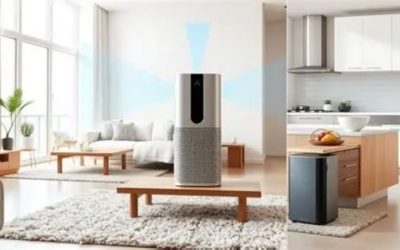
All-in-one hybrid machines combine mechanical HEPA filtration and moisture injection within a single unified floor cabinet. These combination units save valuable floor footprint in compact studio apartments, allowing renters to manage both airborne particulate capture and humidity regulation from one central plug.
However, dual-purpose engineering requires distinct mechanical compromises. Moist internal airflow can shorten the lifespan of nearby activated carbon granules, while cramped chassis dimensions often reduce overall CADR ratings and water reservoir capacities compared to standalone dedicated specialty appliances.
Hybrid models also command premium retail prices and demand disciplined cleaning routines to prevent internal reservoir mildew from contaminating filtration media. If your home experiences severe seasonal smoke or intense dry spells, investing in two dedicated independent units generally yields superior performance.
Comprehensive Comparison and Selection Guide
Analyzing the essential air purifier vs humidifier characteristics side by side reveals distinct operational requirements and long-term costs. The comparison table below highlights primary performance capabilities, maintenance intervals, and target environmental challenges to help you make an informed home purchase.
| Feature / Metric | Air Purifier | Humidifier |
|---|---|---|
| Primary Function | Captures airborne dust, smoke, pet dander, and pollen | Adds moisture vapor to alleviate dry air and parched skin |
| Deciding Performance Metric | CADR (Smoke/Dust/Pollen in cfm or m³/h) and ACH | Moisture output (ml/h or GPD) and tank volume (L/gal) |
| Typical Room Coverage | 200 to 600 sq ft (19 to 56 m²) depending on motor size | 250 to 500 sq ft (23 to 46 m²) based on tank dissipation |
| Operating Sound Levels | 22 to 55 dB (sleep whisper to high-speed fan whoosh) | 24 to 38 dB (virtually silent misting with occasional gurgles) |
| Recurring Maintenance | HEPA & carbon filter replacement every 6 to 12 months | Weekly tank descaling; bi-monthly wick filter replacements |
| Estimated Running Cost | $40 to $80 annually for filters plus low wattage draw | $20 to $40 annually for wicks plus distilled water supply |
| Ideal Seasonal Use | Year-round; peaks during spring pollen and wildfire smoke | Late autumn through winter during indoor heating cycles |
Evaluating Household Air Quality and Climate Conditions
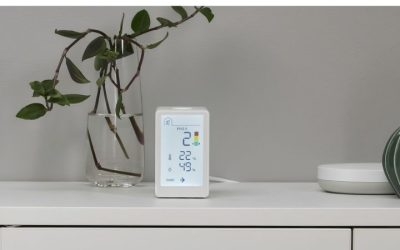
Before purchasing climate hardware, assess your specific indoor irritants using objective home testing. A standalone hygrometer measuring under 30% relative humidity signals an urgent need for moisture addition, whereas visible dust settling on tables and stuffy morning breathing indicate inadequate room air filtration.
Households with indoor pets, active wood fireplaces, or sensitive residents benefit most from continuous True HEPA circulation. Conversely, residents experiencing frequent static shocks, dry throats, and cracking wood flooring during freezing winter conditions should prioritize high-capacity moisture dispensers.
Geographic setting also plays a pivotal role in equipment selection. Coastal zones with steady natural humidity rarely require misting appliances but often need smoke and particulate filtration. Arid desert climates, by contrast, frequently require running humidifiers alongside particulate scrubbers continuously.
Common Operational Mistakes and Hazard Warnings
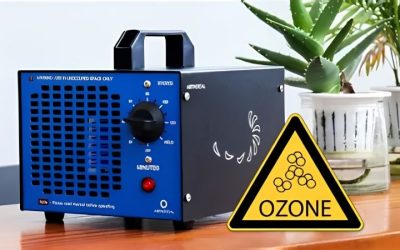
A critical safety consideration involves avoiding ionic air purifiers that generate ozone as a cleaning byproduct. Inhaling ozone irritates lung tissues and worsens respiratory symptoms according to EPA research; consumers should always select certified zero-ozone True HEPA units holding verified CARB approvals.
With humidifiers, the primary operational hazard is stagnant water stagnation. Allowing mineral-heavy tap water to sit inside warm ultrasonic reservoirs fosters bacterial colonization and emits fine white mineral dust into the surrounding air, which can coat bedroom dressers and irritate sensitive airways.
To mitigate these hazards, empty and thoroughly rinse humidifier tanks daily, performing weekly vinegar descaling treatments. For purifiers, vacuuming external pre-filters monthly prevents dust buildup on primary HEPA fibers, maintaining maximum airflow velocity while protecting internal electric blower motors.
Smart Ecosystem Integration and Automation
Modern climate appliances increasingly feature wireless connectivity for remote monitoring and automated scheduling. Smart air purifiers employ infrared particulate sensors to adjust fan velocities automatically when cooking fumes or outdoor smoke drifts through open doors, ensuring optimized energy efficiency.
Connected humidifiers integrate built-in digital humidistats to maintain your programmed humidity target without manual adjustments. By turning off misting nozzles once ambient moisture crosses 50%, these systems prevent window glass condensation, damp drywall seams, and unwanted mold cultivation around carpets.
While mobile applications and voice integration through Amazon Alexa or Google Home provide modern convenience, ensure your chosen device retains standalone physical buttons. Hardware that functions seamlessly without continuous cloud access remains dependable during unexpected home network and router outages.
See More:
- Best eyeshadow blender brush
- Best frozen foods for air fryer
- Best frozen food for air fryer
- Best way to reheat steak in air fryer
- Best air fryer recipes book
Final Verdict: Which Device Fits Your Home?
Making the right air purifier vs humidifier choice comes down to identifying whether your indoor discomfort stems from floating airborne particulate debris or parched ambient air. Purifiers capture dust, dander, and wildfire smoke, while humidifiers restore essential moisture during dry winter heating cycles.
Homes facing both challenges often run both appliances concurrently without interference, provided they are placed several feet apart. Keeping mist plumes away from purifier air intake grilles prevents water droplets from prematurely dampening dry True HEPA fibers, protecting both appliances from damage.
Verify room square footage, review independent CADR and moisture output figures, and calculate annual filter and wick upkeep before purchasing. Selecting certified equipment matched to your specific living area delivers a cleaner, more comfortable home environment across every season of the changing year.