Key takeaways
What's inside
Air purifier room size guide helps buyers match clean air delivery rates with exact interior square footage to eliminate airborne pollutants effectively. We examine tested CADR metrics, air changes per hour, and spatial layouts to prevent undersized machine failures in residential spaces.
As an Amazon Associate we earn from qualifying purchases.
By Daniel Foster
Core Filtration Metrics and Technical Buying Criteria
Evaluating proper hardware requires balancing airflow mechanics against volumetric dimensions. Applying an air purifier room size guide ensures your machine processes all ambient air multiple times hourly without stalling.
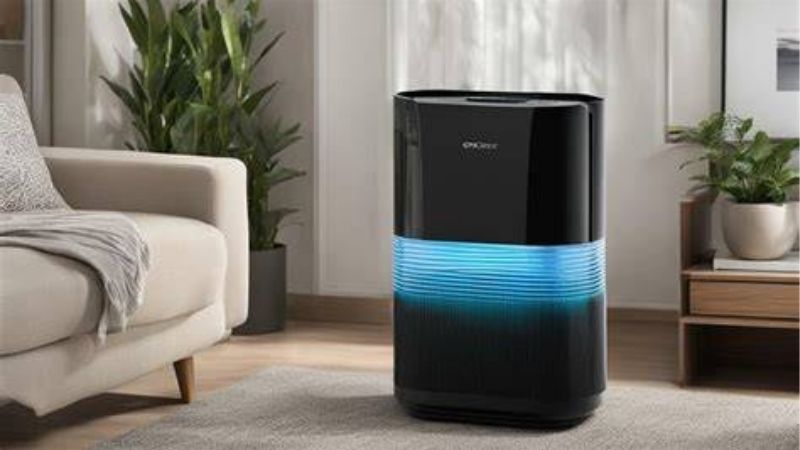
Smoke CADR, Air Changes Per Hour, and Spatial Formulas
Clean Air Delivery Rate serves as the ultimate benchmark for particulate removal efficiency. Manufacturers calculate this metric in cubic feet per minute to quantify how rapidly a device clears smoke, dust, and pollen from standard residential rooms.
Air changes per hour determine how frequently total room volume cycles through filtration media. While general dust control requires two hourly cycles, heavy allergy or smoke remediation demands four to five complete air exchanges.
Room Volume, Ceiling Clearance, and Placement Positioning
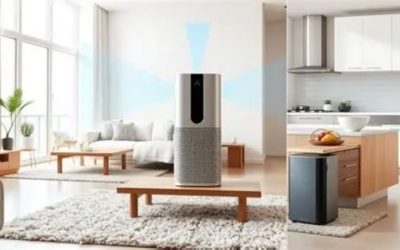
Calculating physical dimensions like length, width, and ceiling height prevents severe ventilation bottlenecks. Following an air purifier room size guide guarantees your selected unit matches actual cubic footage rather than relying on square footage alone.
Proper spatial clearance around intake vents is mandatory for optimal operational velocity. Tucking cylindrical purifiers tightly behind heavy furniture restricts airflow, reducing overall particulate capture performance by up to half.
True HEPA Filters versus Activated Carbon Bed Volumes
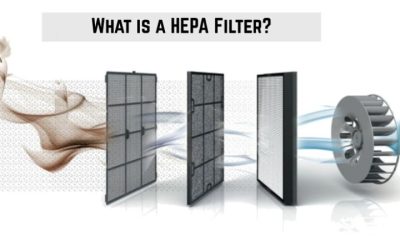
Microscopic solid aerosols require certified True HEPA media capable of trapping ninety-nine point nine seven percent of particles down to zero point three microns. However, microfiber sheets cannot neutralize gaseous odors or volatile compounds.
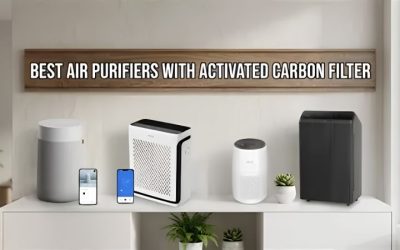
Substantial granular activated carbon beds are essential for trapping chemical vapors and indoor cooking smoke. Thin carbon mesh liners saturate within weeks, making deep chemical stages necessary for long-term residential air purification.
Comparing Top Air Purifiers Across Residential Room Scales
Selecting reliable hardware involves weighing airflow power against motor noise and filter maintenance fees. Consulting a comprehensive air purifier room size guide simplifies comparisons across budget, mid-range, and premium tier models.
Levoit Core 600S: High Airflow for Mid-Sized Living Rooms
The mid-range Levoit Core 600S delivers a formidable smoke clean air delivery rate of three hundred seventy-seven cubic feet per minute for spaces up to six hundred thirty-five square feet. Its cylindrical intake maximizes overall airflow efficiency.
Smart laser particle sensors automatically ramp fan speeds when pollution surges are detected in open areas. Referencing an air purifier room size guide assists shoppers in matching this unit’s robust airflow to expansive main living zones properly.
Its chief operational limitation involves thin carbon layers, which require frequent cartridge replacements under heavy contaminant loads. Despite this minor drawback, its high particulate CADR delivers rapid visible smoke clearance reliably.
Coway Airmega 400: Dual-Port Power for Expansive Spaces
Featuring dual-sided suction ports, the Coway Airmega 400 cycles high air volumes through expansive family rooms up to fifteen hundred sixty square feet. It generates a verified smoke clean air delivery rate of two hundred eighty-five cubic feet.
Washable pre-filter mesh panels catch large ash flecks before they reach the main media, lowering ongoing upkeep fees. On the downside, its carbon stage is relatively lightweight, exhausting rapidly in multi-smoker or heavy odor environments.
Blueair HealthProtect 7740i: Advanced Sensor Diagnostics
The Blueair HealthProtect 7740i combines HEPASilent mechanical filtration with germ-shield technology to protect rooms up to six hundred twenty-five square feet. Advanced digital displays provide precise particle breakdowns and filter usage data.
Automated airflow optimization ensures quiet overnight operation without compromising particle capture performance. Premium proprietary replacement cartridges carry a substantial price tag, increasing recurring annual ownership expenditures significantly.
| Model | Smoke CADR | Room Coverage (5 ACH) | Carbon Weight | Noise Level | Power Consumption | Annual Filter Cost |
|---|---|---|---|---|---|---|
| Levoit Core 600S | 377 cfm (641 m³/h) | 565 sq ft (52 m²) | 1.2 lb (0.5 kg) | 26 – 55 dB | 49 W | ~$120 |
| Coway Airmega 400 | 285 cfm (484 m³/h) | 425 sq ft (39 m²) | 2.0 lb (0.9 kg) | 22 – 52 dB | 66 W | ~$130 |
| Blueair HealthProtect 7740i | 315 cfm (535 m³/h) | 470 sq ft (44 m²) | 1.5 lb (0.7 kg) | 25 – 55 dB | 59 W | ~$150 |
Operational Longevity, Maintenance Schedules, and Market Shifts
Maintaining air cleaning hardware over the long term requires more than simply turning the machine on and replacing the filter when it becomes visibly dirty. Air purifiers rely on several components working together, including particle filters, activated carbon layers, optical sensors, fans, motors, seals, and electronic control systems. Over time, each component can gradually lose efficiency, particularly when the purifier operates continuously in homes with high levels of dust, pet dander, smoke, or other airborne contaminants.
Following a consistent maintenance schedule is therefore essential for preserving both cleaning performance and energy efficiency. Owners should monitor filter condition, clean accessible air inlets and outlets, inspect sensor openings, and follow the manufacturer’s recommended replacement intervals. A properly maintained purifier can provide more predictable airflow and particle removal, while a neglected unit may consume more electricity while delivering progressively weaker results.
Sensor Calibration Drift and Mechanical Fan Degradation
Air purifiers equipped with automatic modes often depend on onboard particle sensors to estimate the concentration of airborne contaminants. These sensors commonly use optical technology to detect particles passing through a small sensing chamber. When the sensor detects elevated particulate levels, the purifier can automatically increase fan speed. When the air becomes cleaner, the system reduces airflow to maintain acceptable conditions while minimizing noise and energy use.
However, sensor accuracy can decline over time if the sensing chamber becomes contaminated with dust. Fine particles can accumulate around the optical components, airflow channels, or protective openings, potentially causing readings to become less consistent. A sensor that has gradually accumulated residue may report unusually high or unusually low pollution readings, which can cause automatic fan modes to respond incorrectly.
For this reason, owners should inspect and clean the sensor area according to the manufacturer’s instructions. The sensor should never be treated as maintenance-free simply because it is located inside the electronic housing. Keeping the surrounding intake area free from dust can also help maintain more reliable measurements.
Over extended periods, this additional workload can contribute to mechanical wear. Bearings, fan assemblies, vibration mounts, and other moving components can become noisier as the machine ages. Some lower-cost units may develop rattling, buzzing, grinding, or high-pitched whining sounds after prolonged operation, particularly when they have been operated at high speed for many hours every day.
A sudden change in operating noise should therefore not automatically be dismissed as normal aging. It can indicate that the filter needs replacement, the fan compartment requires cleaning, or a mechanical component is beginning to deteriorate. Addressing these issues early can prevent unnecessary strain and help extend the useful service life of the appliance.
Filter Loading, Airflow Resistance, and Operating Costs
Filter condition has a direct relationship with purifier performance. As airborne particles accumulate inside the filter media, the filter gradually becomes more resistant to airflow. Even when the purifier continues to run normally, the volume of air passing through the filtration system may decline as resistance increases.
This is particularly important for households with pets, smokers, frequent cooking, construction dust, or high outdoor pollution. Such environments can load filters much faster than relatively clean homes. Relying solely on a fixed calendar replacement schedule may therefore be insufficient. Instead, users should consider the manufacturer’s recommended interval alongside actual operating conditions and any available filter-life indicator.
This is one reason an air purifier room size guide is useful beyond the initial purchasing decision. Correct sizing can help balance filtration performance, fan speed, acoustic comfort, electricity consumption, and filter replacement frequency.
Seasonal Demand Spikes, Wildfire Risks, and Deal Timing
Consumer demand for air purifiers can change dramatically throughout the year. During periods of poor outdoor air quality, wildfire smoke, seasonal pollution, or heavy pollen exposure, consumers often begin searching for higher-capacity air cleaning equipment at the same time. This sudden increase in demand can lead to temporary shortages of popular models and replacement filters.
Wildfire smoke is particularly relevant in regions where seasonal fires can produce prolonged periods of elevated particulate pollution. Smoke can travel considerable distances and introduce fine particles into indoor environments even when windows and doors remain closed. During these events, households may increase purifier usage from several hours per day to continuous operation, which can accelerate filter loading and increase electricity consumption.
Because demand can rise rapidly during major air-quality events, waiting until pollution levels become severe may limit the available choices. Popular models may sell out, prices may fluctuate, and replacement filters can become temporarily harder to obtain. Consumers who live in areas vulnerable to seasonal smoke can therefore benefit from planning purchases before peak demand begins.
Purchase timing can also affect the overall value of an air purifier. Major retail promotions, including mid-year sales events and late-November holiday discounts, frequently create opportunities to purchase both air purifiers and replacement filters at reduced prices. However, the lowest upfront price does not necessarily represent the best long-term value.
Before buying during a promotion, compare the purifier’s verified airflow performance, filter replacement cost, expected filter life, noise levels, energy consumption, warranty coverage, and availability of replacement parts. A heavily discounted purifier can become expensive if its proprietary filters are difficult to find or require frequent replacement.
Stocking up on genuine replacement filters during reputable discount periods can also reduce future operating expenses. However, filters should be stored in a clean, dry environment and purchased only when they are compatible with the exact purifier model.
Furthermore, consulting an air purifier room size guidebefore ordering ensures that seasonal discounts do not encourage consumers to purchase equipment that is too small or unnecessarily powerful for the intended room. A discounted undersized purifier may appear inexpensive initially but can deliver inadequate air cleaning performance, while an excessively large model may introduce unnecessary noise and operating costs.
Ozone Hazards, Electronic Ionizers, and Safety Warnings
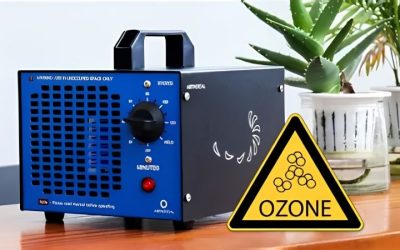
Not all air-cleaning technologies operate in the same way. Mechanical filtration systems physically capture particles using filter media, while some devices use ionization or ozone-generating technologies to alter airborne contaminants. Consumers should understand the difference before purchasing an air-cleaning device, particularly when the product is marketed as a solution for strong odors or persistent indoor pollution.
Ozone-generating devices deserve particular caution. Ozone is a reactive gas that can irritate the respiratory system, and intentionally increasing ozone concentrations inside an occupied home is not an appropriate substitute for mechanical air filtration. Ozone can also react chemically with compounds already present indoors, potentially creating additional irritating or undesirable substances.
Consumers should also be cautious about marketing claims that promise rapid elimination of odors, bacteria, viruses, or chemical contaminants without explaining the underlying technology. No single residential air-cleaning device can address every indoor pollutant equally well. Particle filters are primarily designed to capture particles, while activated carbon is generally used to help reduce certain gaseous pollutants and odors.
The safest strategy is to select a purifier based on its documented performance and intended application rather than relying on exaggerated claims. In addition to filtration, source control and ventilation remain important components of healthy indoor air management.
See More:
- Best eyeshadow blender brush
- Best frozen foods for air fryer
- Best frozen food for air fryer
- Best way to reheat steak in air fryer
- Best air fryer recipes book
How to Select the Ideal Air Cleaner for Your Living Space
Choosing an air purifier should begin with the physical characteristics of the room rather than with the appearance, brand name, or number of features listed on the product page. Measure the room’s length and width and calculate the approximate floor area. For rooms with unusually high ceilings, open floor plans, or connections to adjacent spaces, consider the effective volume of air that the purifier will need to circulate . Measure the room carefully, compare verified airflow specifications, select an appropriate filtration system, and establish a realistic maintenance schedule before purchasing. By combining correct sizing with consistent filter replacement and sensible operating habits, homeowners can achieve more reliable air cleaning performance while keeping long-term operating costs under control.