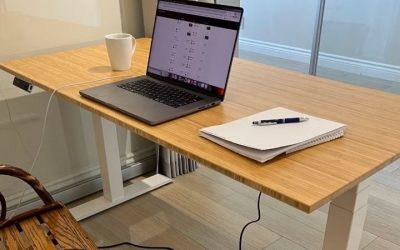
Key takeaways
- Desk organizer ideas work best when they match your clutter, your space and your habits rather than just adding more trays. The best desk organizer ideas sort what you use, store what you do not and route your cables, so…
What's inside
Desk organizer ideas work best when they match your clutter, your space and your habits rather than just adding more trays. The best desk organizer ideas sort what you use, store what you do not and route your cables, so this guide covers the principles and the gear for a clean, calm desk.
As an Amazon Associate we earn from qualifying purchases.
By Daniel Foster
Principles of a Tidy Desk
A tidy desk starts with a plan, not a shopping spree. Understanding what to keep at hand, what to store and how to route cables makes the gear choices obvious, because the right organizers follow from how you actually work rather than from trends.
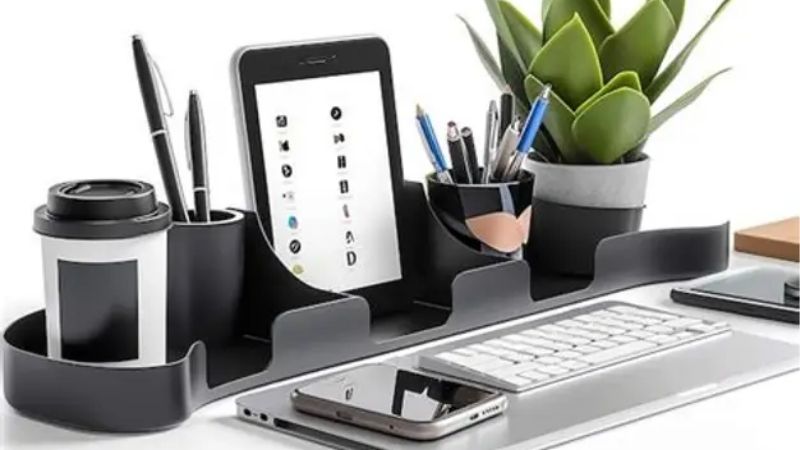
| Clutter type | Solution | Example gear |
|---|---|---|
| Daily items | Keep within reach | Pen tray, desk caddy |
| Screen height / space | Lift and store under | Monitor riser with storage |
| Cables | Route out of sight | Tray, sleeves, clips |
| Occasional items | Store off the surface | Drawer, under-desk shelf |
The decision: sort, store and route
The core of any desk organizer ideas plan is to sort, store and route. Keep only daily items on the surface, store occasional ones off it, and route cables out of sight, so the desk holds what you use rather than everything you own.
Start by decluttering before buying anything. Remove what you do not use daily, group what remains by purpose, and only then choose organizers to fit those groups, since buying trays before sorting simply relocates the clutter rather than removing it.
Match each organizer to a real category. A pen tray for daily writing tools, a riser for screen height and under-storage, and a drawer for occasional items each solve a specific problem, so let your sorted groups decide the gear rather than the reverse.
Space and fit: measuring your desk
Measure your desk before choosing any organizer, since footprint is everything for desk organizer ideas. A large caddy or riser can crowd a small desk, so confirm the dimensions leave room for your keyboard, mouse and working space before you buy.
Use vertical and under-desk space to save the surface. A monitor riser lifts the screen and stores items beneath, while an under-desk drawer or shelf moves clutter off the top entirely, so think in three dimensions rather than only across the desktop.
Consider how organizers fit together and with your gear. A riser that clears space for a keyboard, a tray that tucks beside it, and cable routing underneath should complement each other, so plan the combination rather than buying pieces that compete for the same spot.
Materials, style and durability
Material affects both looks and longevity. Wood and metal organizers feel premium and last, while plastic is cheaper and lighter but less durable, so weigh how long you want them to last against your budget and the style of your workspace.
Keep the look consistent for a calmer desk. Matching materials and colors across trays, risers and mats make a workspace feel intentional rather than cluttered, so choosing a coherent set often looks tidier than a mix of mismatched pieces.
Organizer Ideas and Gear
With the principles set, these desk organizer ideas cover the gear that solves the most common clutter. Match them to your sorted categories and measured space, and your desk will stay clean, calm and functional rather than crowded with unused accessories.
Monitor riser with storage
A monitor riser is one of the most effective desk organizer ideas, lifting the screen toward eye level while creating storage underneath. Slide a keyboard, notebooks or small items beneath it, reclaiming surface space and improving posture in a single upgrade.
Choose a riser sized to your desk and screen weight, and confirm it clears your keyboard. Some include drawers or compartments for extra storage, so if you have small items to corral, a riser with built-in storage doubles its usefulness.
Trays, caddies and drawers
Trays and caddies keep daily items like pens, sticky notes and chargers grouped and within reach, while a drawer stores occasional items off the surface. Together they separate what you use every day from what you only need sometimes, cutting visible clutter.
Pick sizes that fit your desk and your items without dominating the surface. A small caddy for daily tools and an under-desk or side drawer for the rest keeps the desktop clear, so match the storage to how often you reach for each thing.
Label or zone your storage for lasting order. Assigning a place for each category means items return there naturally, so a little structure keeps the desk tidy over time rather than sliding back into clutter within a week of organizing.
Cable management for a clean surface
Cable clutter undoes even the best desk organizer ideas, so route it out of sight. An under-desk tray gathers power strips and adapters, while adhesive clips and sleeves guide cables along the frame, turning a tangle into a clean, easy-to-clean surface.
Plan cable routing around any moving parts, especially on a height-adjustable desk. Leave slack where the desk raises and lowers, and bundle cables so they move together, which prevents strain and keeps the tidy look intact as you adjust the desk.
Under-desk and vertical storage
When the surface is full, move storage off it. An under-desk drawer, a small shelf or a pegboard on the wall holds items without using desktop space, which is the key to a clean surface in a small or busy workspace.
Match vertical storage to your room and needs. A pegboard suits tools and accessories you want visible, while a closed drawer hides clutter, so choose based on whether you want quick access or a minimal look, and confirm it fits your available space.
Frequently Asked Questions
Here are quick answers to the questions people ask most about organizing a desk, so you can plan with confidence.
Where do I start organizing my desk?
Start by decluttering, not shopping. Remove everything you do not use daily, group what remains by purpose, and only then buy organizers to fit those groups. Buying trays before sorting just relocates clutter, so declutter first for a lasting result.
What is the most useful desk organizer?
A monitor riser with storage is among the most useful, since it improves posture and reclaims surface space at once. Cable management is a close second, as hidden cables transform how tidy a desk looks, so prioritize these two for the biggest impact.
How do I keep my desk tidy long term?
Give every item a designated place so it returns there naturally, and route cables out of sight so the surface stays clean. A little structure and a quick daily reset keep a desk organized over time rather than sliding back into clutter.
What material is best for organizers?
Wood and metal look premium and last long, while plastic is cheaper and lighter but less durable. Choose based on your budget and style, and keeping materials consistent across pieces makes the whole desk look more intentional and calmer.
Final Thoughts on These Desk Organizer Ideas
The best desk organizer ideas start with sorting, storing and routing rather than buying more trays. Declutter first, keep only daily items on the surface, lift your screen with a riser, route cables out of sight, and move the rest to under-desk or vertical storage. Measure your space, choose durable materials, time any purchase around a major sale, and these desk organizer ideas will keep your workspace clean, calm and productive.