Key takeaways
Camping water filter shopping is about safe drinking water from trail sources, where hollow-fiber filters address bacteria and protozoa for backcountry use, so this camping water filter guide ranks picks by what matters. Below are six options with honest drawbacks, weighed on type, micron, flow, and weight.
Our top picks



As an Amazon Associate we earn from qualifying purchases at no extra cost to you.
As an Amazon Associate we earn from qualifying purchases.
By Daniel Foster
What A Camping Filter Handles
Backcountry filters use hollow-fiber membranes to address bacteria and protozoa like Giardia and Cryptosporidium, the main risks in most North American backcountry water. Sorting the micron rating, flow, and form first keeps a camping water filter grounded in what it does, since these filters address microbes but not viruses or chemicals, which need a purifier or carbon instead.
Camping Filter Decision Numbers
The deciding factors are the filter type and micron rating (hollow-fiber membranes around 0.1 to 0.2 microns / µm address bacteria and protozoa), the flow rate as you drink or fill, the packed weight and size, and the form (squeeze, gravity, pump, straw, or bottle) that suits your style.
Then match the form to how you camp, since squeeze filters are light and personal, gravity systems fill bottles for a group with little effort, and pumps draw from shallow sources. Because these filters do not address viruses, they suit domestic backcountry water rather than international travel, where a purifier is the right tool.
Confirm the flow suits your patience and group size, since a clogging or slow filter frustrates at camp, and note field maintenance like backflushing to restore flow. Protect the membrane from freezing, since a frozen hollow-fiber element can crack and fail without any visible sign, letting unsafe water through. The right camping water filter matches its form and flow to your group size, terrain, and pack weight.
Placement, Space, And Fit
Weight and packed size drive backpacking choices, so match the form to your load: squeeze and straw filters are ultralight and personal, gravity systems pack down but need hang height, and pumps weigh more but draw from shallow water. Confirm the filter threads onto your bottles or bladders if that is how you carry water.
Set up where you can reach the source cleanly, since gravity systems need a branch or trekking pole to hang the dirty reservoir above the clean one. Keep the clean and dirty components separated to avoid cross-contamination, and stow the filter where you can reach it at every water stop without unpacking.
For cold trips, carry the filter close to your body and into your sleeping bag overnight, since freezing can ruin a hollow-fiber membrane silently. Keep a backflush syringe or the source bag handy, and confirm the whole setup fits your pack and pairs with the bottles or reservoirs you already carry.
Type, Flow, And Weight
Squeeze filters thread onto a soft flask or bottle, letting you drink or fill on the go at low weight, the default for many backpackers. They are simple and light, though the pouches can wear and the flow slows as the membrane loads, so carry a backflush tool and treat the pouch gently.
Gravity systems hang a dirty reservoir above a clean one and filter hands-free, ideal for groups and base camps that need volume without pumping. They pack reasonably but need hang height and a bit of setup, and flow slows as the element loads, so backflush to keep the drip rate up.
Pumps and straws round out the field: pumps draw from shallow or awkward sources at the cost of weight and effort, while straws are minimalist for sipping directly. Match the form to your group size and terrain, and remember all address bacteria and protozoa but not viruses or chemicals.
Top Camping Filter Picks
These six span squeeze, gravity, pump, and straw designs, so this camping water filter guide can match a filter to your pack and style. Each entry names a real drawback, because the right filter depends on whether you hike solo or in a group, your tolerance for pumping, and how much weight you will carry.
| Pick | Form | Notable | Best for |
|---|---|---|---|
| Sawyer Squeeze | Squeeze | Light, popular | Solo backpacking |
| Katadyn BeFree | Squeeze | Fast flow | Fast-and-light |
| Platypus GravityWorks | Gravity | Hands-free volume | Groups and base camp |
| MSR TrailShot | Pocket pump | Shallow sources | Awkward water |
| LifeStraw Peak | Straw/squeeze | Versatile | Minimalist sipping |
| Katadyn Hiker | Pump | Steady flow | Reliable pumping |
Sawyer Squeeze For Solo Backpacking
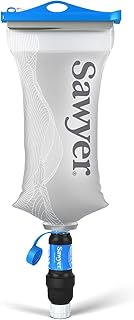
The Sawyer Squeeze is a light, hugely popular hollow-fiber filter that threads onto a pouch or bottle and addresses bacteria and protozoa, backflushable to restore flow. For solo backpackers wanting a proven, low-weight filter, it is the default many trust for most trips.
The drawback is that the included pouches can wear over time, the flow slows as the membrane loads, and it does not address viruses or chemicals. Backflush regularly, carry a spare pouch, and protect it from freezing to keep it working reliably.
For solo backpacking, the Sawyer Squeeze leads this guide. Backflush to maintain flow, carry a spare pouch, and keep it from freezing, choosing it when a light, proven, personal filter for bacteria and protozoa matters more than group volume or virus coverage on a domestic trip. For most weekend trips, that light, proven simplicity is all the filtration a solo hiker needs.
Katadyn BeFree For Fast-And-Light
The Katadyn BeFree pairs a hollow-fiber filter with a collapsible soft flask for fast flow and minimal weight, easy to drink from directly or fill bottles. For fast-and-light hikers who prize a quick flow rate, it is a favorite ultralight option.
The drawback is that the soft flask can wear, cleaning relies on swishing rather than backflushing, and it does not address viruses or chemicals. The flow slows as the element loads, so clean it in the field, and protect the membrane from freezing.
For fast-and-light trips, the BeFree is a strong pick here. Clean it by swishing to restore flow, handle the flask gently, and keep it from freezing, choosing it when quick flow and low weight matter more than the durability of a hard bottle or the volume of a gravity system.
Platypus GravityWorks For Groups And Base Camp
The Platypus GravityWorks hangs a dirty reservoir above a clean one and filters hands-free, delivering volume for groups and base camps without pumping. For teams that need to fill many bottles with little effort, the gravity approach is efficient and relaxing.
The drawback is the need for hang height and a bit of setup, more bulk than a squeeze filter, and flow that slows as the element loads. It addresses bacteria and protozoa but not viruses or chemicals, so backflush to keep the drip rate up.
For groups and base camp, GravityWorks is the volume pick in this guide. Find a branch or pole to hang the dirty bag, backflush to maintain flow, and keep the clean and dirty parts separate, choosing it when hands-free group volume matters more than the lowest solo weight. For a group camp, filling several bottles hands-free is worth the extra bulk over a squeeze filter.
MSR TrailShot For Awkward Water
The MSR TrailShot is a pocket-sized pump that draws from shallow, awkward sources through a hose, letting you fill from a trickle a squeeze filter cannot reach. For terrain with thin or hard-to-reach water, its pump and hose are a practical advantage.
The drawback is the pumping effort, a modest per-stroke output, and that it addresses bacteria and protozoa but not viruses or chemicals. Field maintenance restores flow as it loads, and the hose and pump add a little more to clean than a simple squeeze.
For awkward water, the TrailShot is a clever pick here. Use the hose to reach shallow sources, maintain it to keep flow up, and protect it from freezing, choosing it when access to thin or difficult water matters more than the simplicity of a squeeze or the volume of gravity.
LifeStraw Peak For Minimalist Sipping
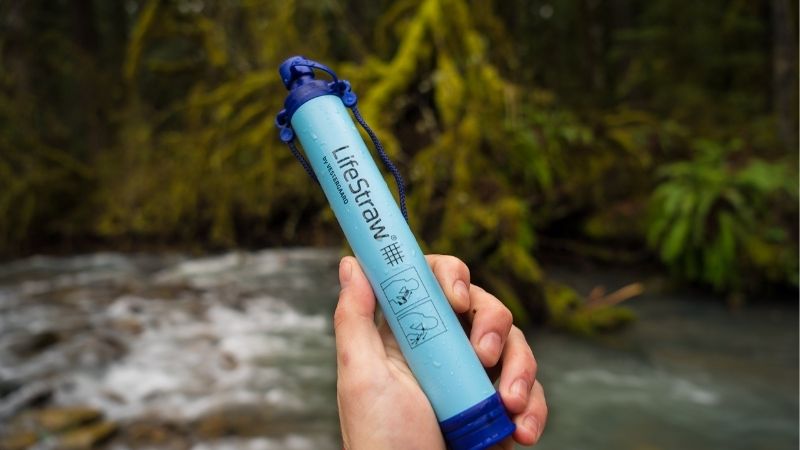
The LifeStraw Peak series offers straw and squeeze options with hollow-fiber membranes that address bacteria and protozoa, versatile for sipping directly or filling bottles. For minimalist hikers who want a flexible, light filter, the Peak line adapts to several uses.
The drawback is that straw-style sipping ties you to the source, the flow slows as the element loads, and it does not address viruses or chemicals. Backflush to restore flow, and protect the membrane from freezing on cold trips.
For minimalist sipping, the LifeStraw Peak fits this guide. Use it as a straw at the source or thread it onto a bottle, backflush to maintain flow, and keep it from freezing, choosing it when a flexible, light filter for bacteria and protozoa suits your minimalist style.
Katadyn Hiker For Reliable Pumping
The Katadyn Hiker is a classic pump filter delivering a steady flow with a comfortable action, a long-trusted choice for reliable field filtration of bacteria and protozoa. For hikers who prefer pumping a dependable, steady output, it is a proven option.
The drawback is more weight than a squeeze filter, the effort of pumping, and no coverage of viruses or chemicals. The cartridge loads over time and needs replacement, so factor the ongoing cost and protect it from freezing.
For reliable pumping, the Katadyn Hiker is a dependable pick here. Pump a steady flow, replace the cartridge on schedule, and keep it from freezing, choosing it when a proven, comfortable pump for bacteria and protozoa matters more than the lowest weight or hands-free gravity volume.
See More:
- Best eyeshadow blender brush
- Best frozen foods for air fryer
- Best frozen food for air fryer
- Best way to reheat steak in air fryer
- Best air fryer recipes book
Choosing Your Camping Water Filter
The best camping water filter for you depends on your style: squeeze filters like the Sawyer Squeeze or Katadyn BeFree for solo and fast-and-light trips, the Platypus GravityWorks for group volume, the MSR TrailShot for awkward sources, and the Katadyn Hiker for reliable pumping. Match the flow and weight to how you hike. Reading each drawback closely helps you weigh weight, flow, and form against how you camp.
Remember these address bacteria and protozoa but not viruses or chemicals, so choose a purifier for international travel and add carbon for taste. Because backpacking season sends many hikers looking for a light, dependable filter, timing varies, but the goal of this camping water filter guide is a filter whose form, flow, and weight fit your trips and protect against trail-water microbes.