
Best auto dash cam choices come down to four specifications that most listings bury: channel count, sensor resolution, whether the unit uses a supercapacitor or a lithium battery, and how parking mode is powered. This guide compares seven cameras on exactly those points.
As an Amazon Associate we earn from qualifying purchases.
By Daniel Foster
What Separates a Useful Dash Cam From a Dead One
The best auto dash cam is defined by how it fails, and dash cams fail in predictable ways: the internal battery swells in summer heat, the memory card wears out silently, or parking mode drains the car battery. Choosing well means reading past the resolution headline to the design decisions that determine whether footage exists when you need it.
The Decisive Numbers: Channels, Resolution and Power Design
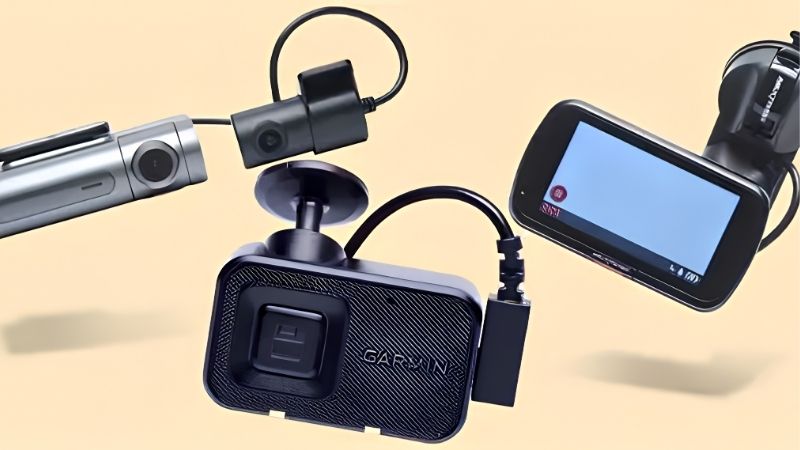
Channel count comes first. A single front channel covers most collisions; a two-channel front-and-rear setup covers being hit from behind, which is a large share of insurance disputes; a three-channel setup adds an interior camera relevant mainly to rideshare drivers. Each channel adds wiring and storage demand.
Resolution matters chiefly for reading plates. 1080p captures the incident but often not the plate at distance; 1440p is the practical sweet spot; 4K on the front channel reads plates reliably but doubles file sizes and heat output. Sensor quality at night frequently matters more than pixel count.
Power design is the specification that determines lifespan. Supercapacitor models tolerate the 140-160 F (60-71 C) a parked cabin reaches in summer far better than lithium cells, which degrade and can swell. In a hot climate, the best auto dash cam is almost always a capacitor-based one rather than a battery model.
Space and Fit: Where It Mounts and How It Wires
Mounting position decides visibility and legality. Most cameras sit behind the rear-view mirror, needing 2-4 in (5-10 cm) of clear windscreen, and some jurisdictions restrict how much of the windscreen may be obstructed, so check local rules before choosing a large-bodied unit.
Wiring is the other spatial question. A cigarette-lighter cable is the simplest install but leaves a visible wire and does not support parking mode; a hardwire kit tucks into the headliner and A-pillar and taps the fuse box, taking most people 30-60 minutes. OBD-II adapters sit between the two in effort.
Storage, Subscriptions and Ongoing Costs
Memory cards are consumables in this application because loop recording rewrites constantly. High-endurance microSD cards rated for continuous video last considerably longer than standard cards, and most cameras support 128-512 GB depending on model. Plan on replacing the card every one to two years.
Cloud features are where recurring costs appear. Live view, remote notifications and cloud backup typically require a paid plan, and some cameras lose meaningful functionality without one. Confirm exactly what the camera does with no subscription before buying, because that is where buyers most often feel misled.
7 Dash Cams Worth Considering
Narrowing down the best auto dash cam means comparing power design first. These picks cover budget through premium and are chosen on power design, channel options and parking-mode implementation. Amazon pricing changes frequently, so verify at purchase.
| Model | Channels | Power design | Price tier |
|---|---|---|---|
| VIOFO A139 Pro | 2-3 channel | Supercapacitor | Mid |
| Vantrue N4 Pro | 3 channel | Supercapacitor | Mid |
| Garmin Dash Cam 67W | 1 channel | Internal battery | Mid |
| Nextbase 622GW | 1 channel (+ rear module) | Internal battery | Premium |
| BlackVue DR970X-2CH | 2 channel | Supercapacitor | Premium |
| 70mai Dash Cam Omni | 1 channel, rotating | Supercapacitor | Budget-mid |
| REXING V1-4K | 1 channel | Supercapacitor | Budget |
VIOFO A139 Pro: The Enthusiast Default
For many owners this is simply the best auto dash cam available at a sensible price: a 4K front channel on a modern STARVIS sensor, supercapacitor power, GPS and proper buffered parking mode via an optional hardwire kit make this the camera experienced owners recommend most often. Night footage is where it separates itself from cheaper 4K claims.
The interface is dated and configuration happens through an app that is functional rather than polished. There is no screen on the body, so aiming the camera means using the phone app during install, which adds a few minutes to setup.
Vantrue N4 Pro: Three Channels Done Right
Front, interior and rear on a single unit with supercapacitor power addresses the rideshare and delivery use case without three separate installs. Infrared illumination on the interior channel produces usable footage in a dark cabin.
Three channels generate substantial data, so a large high-endurance card is effectively mandatory and file management becomes a real chore. The body is bulky behind the mirror, so check windscreen clearance in a smaller car before ordering.
Garmin Dash Cam 67W: Small, Simple, Reliable
A very compact body with a 180-degree field of view and voice control makes this the least intrusive option here, and Garmin’s software is the most straightforward to live with. For a driver who wants footage without a project, it is the easy answer.
It uses an internal lithium battery rather than a capacitor, which is a genuine concern in hot climates where cabin temperatures climb through the afternoon. Parking mode requires the constant-power cable and the single channel means no rear coverage.
Nextbase 622GW: Image Quality and Extras
4K recording with image stabilisation, a polarising filter option to cut windscreen reflections, and emergency SOS features give this camera a strong feature list. The rear module attaches to the same body, avoiding a second wiring run to the tailgate.
Like the Garmin it relies on an internal battery, and the price sits at the premium end. Some functions depend on the phone app, and the modular rear camera adds cost that brings the total close to a dedicated two-channel system.
BlackVue DR970X-2CH: Cloud and Fleet Features
BlackVue built its reputation on cloud connectivity and parking surveillance, and the DR970X pairs supercapacitor power with a well-developed remote feature set. For a vehicle parked in public regularly, remote notification of an impact is the specific benefit.
The cloud functions require a subscription for anything beyond basic use, and the hardware price is the highest here. Without a plan the camera still records normally, so confirm which features you are actually paying for before committing.
70mai Dash Cam Omni: Rotating Coverage on a Budget
A 360-degree rotating body that turns toward detected motion is an unusual approach to parking coverage, and at this price the capacitor design and AI motion tracking are more than the segment usually offers.
Resolution is lower than the 4K options and the rotating mechanism is a moving part in a hot cabin, which is a long-term reliability question rather than a proven flaw. App translation and support quality are inconsistent.
REXING V1-4K: The Entry Point
A compact discreet body, supercapacitor power and 4K front recording at the budget end make this a reasonable first dash cam. It covers the core job of documenting an incident without a complicated menu system.
Night performance trails the mid-tier cameras noticeably, and the parking mode requires the separate hardwire kit to be useful. Build quality is adequate rather than robust, and mount hardware is the part owners most often replace.
Installation, Legality and Long-Term Ownership
The best auto dash cam is only as good as its install and its card. These are the practical considerations that determine whether the footage exists when it matters.
Parking Mode and Battery Drain
Parking mode requires constant power, which means either a hardwire kit with a low-voltage cutoff or a separate battery pack. A cutoff that disconnects the camera at a set voltage is essential, otherwise an extended period parked can leave the vehicle unable to start.
Buffered parking mode saves the seconds before an impact as well as after, which is the difference between footage showing a car already touching yours and footage showing it arriving. If parking incidents are the reason you are buying, that feature is the one to verify.
Cards, Heat and Failure Points
Use a high-endurance microSD card rated for continuous recording and format it in the camera every one to two months. Silent card failure is the single most common reason owners discover they have no footage after an incident, and most cameras will not warn you loudly.
Heat is the other killer. A camera left on the windscreen through summer faces cabin temperatures well above what consumer lithium cells tolerate, which is why capacitor models dominate recommendations among long-term owners. Removing a battery-based camera on very hot days extends its life.
Timing and Seasonal Context
Dash cams follow the general electronics calendar. Prime Big Deal Days in early October and the Black Friday and Cyber Monday window in late November are the two upcoming periods when this category is most consistently discounted, and dash cams are a common gifting item through December.
Some searches for this category are aimed at a specific retailer’s installation service. That is a service offering rather than a product specification, and installation is not part of an Amazon purchase, so budget separately for a professional hardwire install if you would rather not tap the fuse box yourself. Measure the space behind your mirror before ordering, since the larger three-channel bodies need real clearance.
Frequently Asked Questions
These are the questions that come up most often in best auto dash cam research once people start comparing models rather than brands.
Is 4K worth it over 1440p?
Only on the front channel, and mainly for reading plates of vehicles at distance. 4K produces larger files that fill cards faster and generate more heat, so a strong 1440p sensor often delivers better usable footage at night than a weak 4K one.
Capacitor or battery?
Supercapacitor in almost every case, particularly if the vehicle parks outdoors in a warm climate. Capacitors tolerate high cabin temperatures that degrade lithium cells, and they are the reason long-term owners tend to converge on the same handful of brands.
Do I need a subscription?
No camera here requires one to record and store footage locally. Subscriptions unlock cloud backup, live view and remote alerts, so decide whether remote monitoring matters to you and confirm the no-subscription feature set before buying.
See More:
- Best noise cancelling headphones Bose
- Best deal on air fryer
- Best buy Bella air fryer
- Best deals air fryer
- Best blender bottle
Final Thoughts on Choosing a Dash Cam
The best auto dash cam for most drivers is a capacitor-based two-channel unit with buffered parking mode, a high-endurance card and a hardwire kit with a voltage cutoff. Resolution is the specification people shop on and the one that matters least beyond 1440p. Measure the space behind your mirror, decide whether parking coverage is part of the job, and the shortlist narrows quickly.
Our top picks


As an Amazon Associate we earn from qualifying purchases at no extra cost to you.


Write Your Review
No reviews yet. Be the first to share your experience!