
Best inexpensive dash cam shopping is easier once you know what disappears at each step down: first the parking mode, then the GPS, then the sensor quality that makes plates readable at night. This guide maps those cuts and matches seven models to specific driving situations rather than ranking by price alone.
As an Amazon Associate we earn from qualifying purchases.
Our top picks


As an Amazon Associate we earn from qualifying purchases at no extra cost to you.
By Daniel Foster
What Gets Cut as the Price Falls
The best inexpensive dash cam is not simply a worse version of an expensive one. Manufacturers remove specific features in a fairly predictable order, and knowing that order lets you stop at the tier where nothing you actually need has been removed.
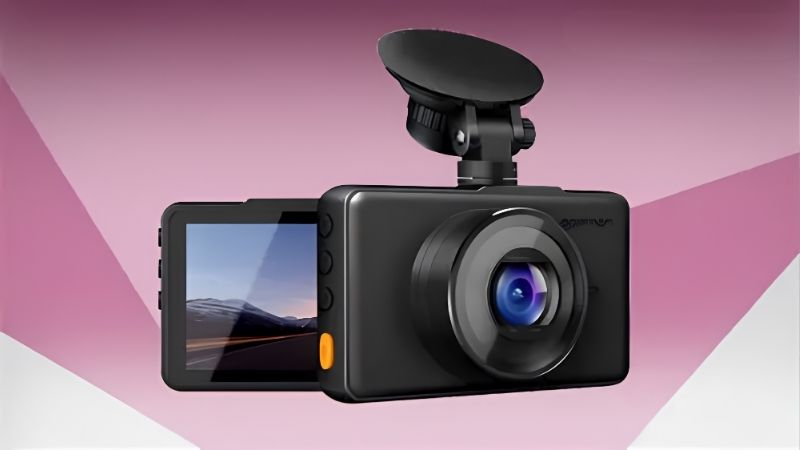
Sensor, Channels and Power Buffer: The Numbers That Decide It
Sensor quality is cut first and mentioned last. A current Sony STARVIS sensor at 1080p reads plates at night far better than a cheaper chip at 4K, because low-light sensitivity and exposure control matter more than pixel count for the one job that counts.
Field of view is the next figure to read carefully. Most cameras sit between 140 and 170 degrees, and while the wider numbers look generous in marketing, they stretch detail toward the frame edges and reduce the pixel density available where a plate actually appears.
Channel count is the next variable. A single front channel covers the collision most drivers worry about, while front-plus-rear adds rear-end coverage at roughly a third more cost and considerably more installation time. A cabin channel is a rideshare requirement rather than a general one.
Power buffer separates cameras that survive summer from those that do not. Supercapacitor units tolerate a parked car in direct sun; lithium battery units swell and lose the ability to close files safely. This is the specification worth refusing to compromise on.
Space and Fit: Behind the Mirror
Measure the clearance behind your rearview mirror before ordering. Wedge bodies sit flat against the glass and disappear, while cylindrical designs with rotating lenses hang lower and can intrude on a tall driver’s sightline.
Check the mount type as well. Adhesive holds better than suction in heat but needs a heat gun or fishing line to remove cleanly, and suction cups release on cold mornings. If the mount carries the GPS module, replacing it later may not be possible.
Installation Reality and What Parking Mode Costs
The bundled 12 volt cable tucked along the headliner takes about twenty minutes with a trim tool and gives you driving footage only, since the camera powers down with the car. That is enough for most drivers.
Cable routing is worth planning before you start. Running along the headliner, down the A-pillar and behind the glovebox keeps the cable invisible and clear of airbag paths, which matters more than tidiness since a cable tucked across an airbag cover is a genuine safety problem.
Parking surveillance needs constant power, which means a hardwire kit with a low-voltage cutoff or an OBD adapter, usually sold separately. Budget for that kit rather than assuming it is included, because it frequently accounts for a meaningful share of the total.
Seven Models Matched to Real Situations
The best inexpensive dash cam candidates below are grouped by driving situation rather than by price ladder. Each entry names a genuine drawback, because something is always traded at this end of the market. Figures come from manufacturer specifications and pooled owner reports.
1. Best All-Round Value: Viofo A119 V3
A 2560 by 1440 sensor with supercapacitor power, built-in GPS and a small screen for framing during installation. It covers everything a general driver needs without paying for features they will not use.
The wedge body is larger than newer compact models, and the interface is dated. Firmware updates are a manual card-copy process rather than an app operation.
2. Simplest Setup: 70mai Dash Cam A510
App-driven configuration, decent low-light performance and a clean design that mounts quickly. For someone who wants the camera working in fifteen minutes without reading a manual, it removes most of the friction.
Some features depend on the app being installed and updated, and regional firmware differences occasionally cause confusion. There is no screen on the unit itself.
3. Rideshare and Cabin Coverage: Vantrue N2 Pro
Front and interior channels with infrared night vision inside the cabin, which is the specific requirement for drivers carrying passengers. Recording both views on one unit avoids a second camera and a second cable run.
It is bulkier than single-channel units and the interior camera raises privacy considerations that vary by jurisdiction. Check local rules on recording passengers before use.
4. Lowest Cost With GPS: Nexar Beam GPS
Very affordable with GPS data attached to clips and unlimited cloud backup through the app, which turns a phone into the review and export tool. For evidence handling that is genuinely useful.
It depends heavily on the phone app, and cloud features tie you to one ecosystem. Video quality is adequate rather than impressive.
5. Dual Channel on a Budget: Kingslim D4
Front and rear coverage with the rear cable included, offering two channels at a price close to what single-channel units cost from bigger brands.
Running the rear cable through the headliner and tailgate takes an hour or more, and rear night footage rarely reads plates at distance. Long-term reliability reports are mixed.
6. Highest Resolution for the Money: Rove R2-4K
A 4K front camera with GPS and Wi-Fi at a price well below premium alternatives, which appeals to drivers who want maximum detail in daylight footage.
Storage fills quickly at 4K, shortening how much history the card retains, and night performance does not match the resolution figure. Heat management is average.
7. Absolute Minimum Spend: Chortau Dual Dash Cam
Two channels, no app, no account and nothing to configure, aimed at a second family car or a teenage driver where any footage beats none.
Low-light performance is poor, exposure recovery is slow leaving tunnels, and the battery-based power buffer is a liability in hot climates. Treat it as a record of events rather than an identification tool.
| Model | Channels | GPS | Power buffer | Suits |
|---|---|---|---|---|
| Viofo A119 V3 | Front | Yes | Supercapacitor | All-round value |
| 70mai A510 | Front | Optional | Supercapacitor | Fast, simple setup |
| Vantrue N2 Pro | Front and cabin | Optional | Supercapacitor | Rideshare drivers |
| Nexar Beam GPS | Front | Yes | Supercapacitor | Cloud backup |
| Kingslim D4 | Front and rear | Yes | Supercapacitor | Two channels cheaply |
| Rove R2-4K | Front | Yes | Supercapacitor | Daylight detail |
| Chortau dual | Front and rear | No | Battery | Minimum outlay |
Pricing moves constantly in this category, so check the current figure at the moment of purchase rather than relying on any published number.
Reliability, Cards and the Cost After Checkout
A best inexpensive dash cam lives in the harshest environment in the household, namely a sealed car in direct sun. Failure patterns follow from that, and the cheapest camera can outlast an expensive one if the supporting parts are right.
The Card Matters More Than the Camera
Loop recording rewrites the same memory cells thousands of times, and ordinary consumer cards degrade within months under that load. A high-endurance card rated for continuous video is the single most valuable upgrade available at any price.
Format the card in the camera rather than on a computer, roughly monthly, and play back a recent file every few weeks to confirm the timestamp and that video is actually being written. A camera nobody checks is an insurance policy nobody bought.
What Fails First
After cards, adhesive mounts release in heat, lithium batteries swell and stop closing files properly, and lens housings cloud from ultraviolet exposure. Supercapacitor units skip the battery failure entirely.
Warranty terms on a best inexpensive dash cam usually cover the body for a year while treating mounts, cables and bundled cards as consumables. Brands that sell replacement mounts and cables individually are worth a small premium, since a broken suction arm should not retire a working camera.
Legal Notes and Buying Windows
Windshield mounting rules and audio recording consent vary by state and country, and interior cameras raise additional considerations when passengers are present. Check local requirements before installing, particularly for a cabin-facing channel.
On timing, this category sees its deepest reductions during Prime Big Deal Days in early October and across Black Friday and Cyber Monday at the end of November, when car electronics are also a common gift purchase.
Frequently Asked Questions
These questions come up most often from drivers comparing the best inexpensive dash cam options against premium models.
Is a cheap camera enough for an insurance claim?
Usually yes, provided the footage shows the sequence clearly and carries a correct timestamp. Insurers care about what happened and when, and clean 1080p with an accurate clock satisfies that in most cases.
Should I pay extra for 4K?
Rarely at this end of the market. Sensor quality determines night-time plate legibility, and many budget 4K cameras use weaker sensors than good 1080p models while filling cards several times faster.
Do I need GPS?
On a best inexpensive dash cam, GPS embeds speed and location in the file, which strengthens a disputed claim. It is not essential, but it is one of the first features cut on very cheap models and worth keeping if your budget stretches.
Can I add parking mode later?
Usually, provided the camera supports it and a hardwire kit is available for that model. Confirm compatibility before buying, since not every budget unit accepts a kit even when one physically fits.
See More:
- Best low price dash cam
- Projector screens at Best Buy
- Best buy projector screens
- Best projector for games
- Best projector for gaming
Final Thoughts on Spending Less Sensibly
The best inexpensive dash cam is the one that keeps the three things that matter, namely a decent sensor, a supercapacitor and a mount that fits your windshield, while dropping the features you were never going to use. Price alone is a poor guide.
Measure the clearance behind your mirror, decide whether parking surveillance is genuinely needed, and budget separately for a high-endurance card. Those three steps matter more than the difference between any two models on this list.

Write Your Review
No reviews yet. Be the first to share your experience!