Key takeaways
Security camera without subscription options let you own your footage and skip monthly fees, so this security camera without subscription guide ranks fee-free picks by storage, detection, and reliability. Below are six models with honest drawbacks, from microSD recorders to local hubs, for any budget.
Our top picks


 WYZE Cam v4
- Indoor Outdoor Usage: Indoor, Outdoor
- Compatible Devices: Desktop, Smartphone, Tablet
- Mount Type: Wall Mount


 TP-Link Tapo 1080P Indoor Security Camera for
- Indoor Outdoor Usage: Indoor
- Compatible Devices: Smartphone, Tablet
- Controller Type: Amazon Alexa, Android, Google Assistant
Detects motion, people, or baby crying at no extra cost
Night vision reaches up to 30 feet in the dark
Works with both Alexa and Google Assistant
Limited to indoor use since it isn't water resistant
Only connects over 2.4GHz Wi-Fi networks

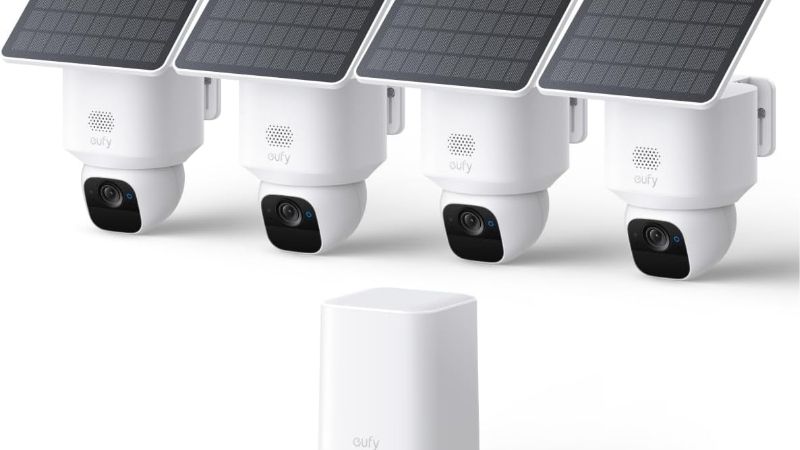
 Security Cameras Wireless Outdoor 5G& 2.4G
- Connectivity Technology: Wireless
- Video Capture Resolution: 1944p, 4MP
- Number of Channels: 4
128GB local storage avoids any monthly subscription fees
IP66 protection withstands all-weather outdoor exposure
AI human detection sends alerts for people, not all motion
Solar power depends on consistent sunlight exposure
128GB storage limits loop recording to about 3 months
As an Amazon Associate we earn from qualifying purchases at no extra cost to you.
As an Amazon Associate we earn from qualifying purchases.
By Daniel Foster
How Fee-Free Cameras Actually Work
Skipping a subscription means storing footage yourself, so the real questions are where clips are saved, how much capacity you get, and which features still require a cloud plan. Understanding local storage options up front keeps you from buying a camera that technically records for free but hides key alerts behind a fee. A true security camera without subscription keeps detection and playback local, not gated.
Security Camera Without Subscription Decision Numbers
Focus on storage type (microSD card versus a local hub or NVR), the maximum card or drive capacity, and which functions are truly free versus subscription-gated. Some cameras record locally but lock person detection or rich notifications behind a plan, so confirm the fee-free feature set before buying.
Then weigh resolution (1080p to 4K), power source, and detection quality, since on-device person and pet recognition reduces false alerts without any cloud service. A camera that keeps detection, live view, and playback local delivers the full value of a truly fee-free security setup you control.
The catch buyers discover is that a few brands advertise local recording yet still gate person detection or rich alerts behind a plan. Confirming which features stay free before you buy is essential, because a camera that records locally but hides its useful alerts is not truly fee-free.
Placement, Space, And Fit
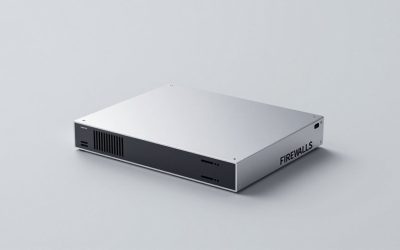
Plan where footage physically lives: microSD cameras need accessible card slots, while hub or NVR systems require a shelf or closet spot for the recorder and, for wired versions, cable routing. Measure that space early, because a full local drive or tiny card silently stops your history from saving.
For renters, favor battery or plug-in cameras with local storage and no-drill mounts, keeping the hub near power and your router. In a house, an NVR setup can centralize several cameras, but confirm you have room and ventilation for the recorder and enough drive capacity for the days of footage you want.
Decide early where the footage physically lives: a card slot you can reach, or a hub and drive that need a shelf, ventilation, and, for wired kits, cable routing. Measuring that space up front prevents the quiet failure of a full drive or tiny card that silently stops saving history.
Storage Capacity, Detection, And Backup
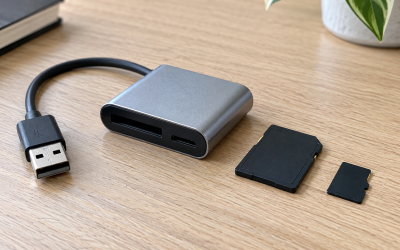
Local storage is finite, so check the largest supported card or drive and roughly how many days of continuous or event-based recording that yields at your chosen resolution. Higher resolution fills storage faster, so event-only recording and activity zones stretch capacity while still catching what matters.
A local-only camera can lose footage if the device is stolen or the card fails, so some buyers add an off-site copy or a second angle. Confirm the camera keeps working during an internet outage, a genuine advantage of local systems, and test playback so you know exactly how to retrieve clips later. Testing playback once at setup saves stress during a real event.
The move away from monthly fees is driven by two things at once: subscription fatigue and unease about cloud video after reports of data sharing and breaches. Keeping footage on a card or local recorder answers both, since no third party holds your clips and there is no recurring bill to cancel.
Top Fee-Free Camera Picks
These six keep core recording local and fee-free, spanning budget microSD units and premium local hubs, so you can weigh capacity against features. Each notes a real limitation, because fee-free cameras trade off storage capacity, backup safety, and gated extras in ways worth knowing before you buy. Every security camera without subscription below keeps core recording free of any plan.
| Pick | Local storage | Free detection | Best for |
|---|---|---|---|
| eufyCam + HomeBase | Hub drive | Person/pet | Premium fee-free |
| Reolink wired/PoE | microSD/NVR | Person/vehicle | Always-on detail |
| Wyze Cam | microSD | Basic (free) | Budget tier |
| TP-Link Tapo | microSD | Motion | Local simplicity |
| Blink + Sync Module | Local USB | Basic | Long battery |
| Lorex | NVR/DVR | Person/vehicle | Whole-home NVR |
eufyCam With HomeBase For Premium Fee-Free
eufyCam stores recordings on a HomeBase hub with no required subscription, keeping person and pet detection local, which makes it a leading choice for fee-free ownership. Battery models simplify placement, and the hub centralizes clips so you review events without ever opening a monthly cloud plan.
The trade-off is hub dependence: if the base fails or its drive fills, recording pauses, and some advanced cloud features still cost extra. In very busy areas, battery life shortens, so a wired option helps at high-traffic doors where events accumulate quickly throughout the day. A wired option helps at high-traffic doors where the battery drains faster.
A local hub is convenient but becomes a single point of failure, so a full drive or a hub outage can pause recording without warning. Sizing the storage for the days of footage you want, and checking the largest supported card or drive, keeps a fee-free system from quietly missing events.
Reolink Wired Or PoE For Constant Detail
Reolink’s wired and PoE cameras record 24/7 to a microSD card or NVR with no fees, and higher-resolution models reach 4K for reading faces and plates. On-device person and vehicle detection stays free, delivering the full value of local storage for detail-focused installs.
The catch is installation effort, since wiring to eaves or a recorder is more work than a battery stick-on, and it suits renters poorly. The app is functional rather than flashy, so expect a utilitarian experience in exchange for genuine independence from any recurring cloud charge. The effort pays off with always-on footage you fully control.
Multi-camera local systems tend to see their deepest markdowns around the major mid-year and late-November sales, though the dates shift each year and reward confirming. If you are wiring several cameras at once, timing the buy to one of those windows can offset the higher upfront cost of a fee-free setup.
Wyze Cam For Budgets
Wyze Cam records to a microSD card locally at a budget-tier price, capturing continuous or event footage without a mandatory plan. It is a popular way to add fee-free coverage to several rooms cheaply, with two-way talk and motion alerts included at no extra ongoing cost.
Compromises include some advanced detection features that historically require a low-cost plan, plus slower app response and occasional cloud service dependence for certain functions. It is a value pick, best as an affordable local recorder rather than a premium, feature-complete fee-free system.
TP-Link Tapo For Local Simplicity
TP-Link’s Tapo cameras emphasize microSD local storage with no subscription for core recording, plus a privacy mode and, on some models, pan-and-tilt tracking. They are an easy, affordable way to keep footage in-house while covering a room from a single, movable vantage point.
Drawbacks include a less mature ecosystem than the big brands, occasional app quirks, and optional cloud features that add cost if you want them. For straightforward local recording without fees, though, it is a practical and inexpensive choice for common indoor areas.
Because local-only footage can vanish if the device is stolen or a card fails, some owners add a second angle or an occasional off-site copy of important clips. It is a small habit that turns a fee-free camera into something you can still rely on when you need evidence later.
Blink With Sync Module For Long Battery
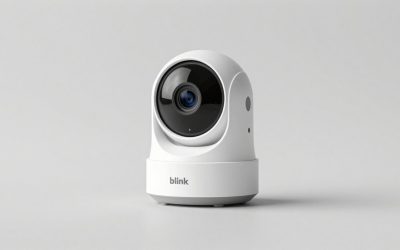
Blink cameras paired with a Sync Module and USB drive store clips locally without a subscription, and standard batteries last a long time on many models. Alexa integration and a low entry price make it simple to add fee-free coverage around a home or apartment.
Trade-offs are modest resolution and detection versus premium rivals, and the fully local, no-fee experience depends on the correct Sync Module setup. It excels on battery endurance and cost, not sharpness, so use it for coverage breadth rather than critical identification at a main entry. Use several of these to widen fee-free coverage across rooms cheaply, then reserve a sharper camera for the one spot where faces really matter.
Battery-first, local-storage cameras favor endurance and low cost over sharpness, so lean on them for breadth rather than identification. Placing a higher-resolution unit at the main entry, with cheaper local cameras filling secondary angles, gives you full coverage without a single monthly charge.
Lorex For A Whole-Home NVR
Lorex offers wired NVR and DVR systems that record many cameras to a local drive with no monthly fees and free person and vehicle detection on capable models. For a house wanting always-on, high-resolution coverage across several angles, it centralizes storage and playback in one recorder.
The downside is installation: running cables and placing an NVR is a real project, better suited to homeowners than renters, and the upfront cost is higher. In return, you get robust, fee-free footage retention and offline operation independent of any cloud service. Budget time for cable runs and a ventilated spot for the recorder.
A wired recorder keeps running during an internet outage, which is a genuine advantage of owning your storage rather than renting cloud space. Budget time for the cable runs and a ventilated spot for the box, and in return you get always-on footage that answers to no subscription and no monthly cloud bill.
See More:
- Best eyeshadow blender brush
- Best frozen foods for air fryer
- Best frozen food for air fryer
- Best way to reheat steak in air fryer
- Best air fryer recipes book
Owning Your Footage Without A Monthly Bill
Choosing a security camera without subscription is really about matching local storage to your needs: microSD cameras suit single rooms, while hubs and NVRs centralize a whole home. Confirm which features stay free, since some brands record locally but gate person detection or notifications behind a plan. That is why picking a security camera without subscription starts with the free-feature list.
Check the maximum supported card or drive, plan a spot for the hub, and consider a backup angle in case a local device is stolen. Do that, and any pick here delivers a dependable security camera without subscription that keeps you in control of your footage and free of a recurring cloud bill for good.