Key takeaways
What's inside
Under sink water filter shopping is about clean drinking and cooking water at the kitchen tap without any clutter, so this under sink water filter guide ranks picks by type and use. Below are six options with honest drawbacks, weighed on NSF certification, carbon versus RO, flow, and cartridge life.
As an Amazon Associate we earn from qualifying purchases at no extra cost to you. Product prices and availability are accurate as of the date shown and are subject to change.




As an Amazon Associate we earn from qualifying purchases.
By Daniel Foster
Carbon Or RO Under The Sink
Under-sink filters split into two families: high-flow carbon systems that improve taste and reduce many contaminants while keeping minerals, and reverse osmosis systems that strip nearly everything. Sorting the type, certification, flow, and cartridge life first keeps an under sink water filter matched to your water and how much flow and mineral content you want.
Under Sink Filter Decision Numbers
The deciding factors are the type (carbon block versus reverse osmosis), the NSF/ANSI certification (Standard 42 for chlorine and taste, 53 for lead and cysts, 58 for RO), the flow rate, and the cartridge lifespan in gallons or months. Carbon keeps minerals and flow high; RO removes more but adds a tank and drain.
Then decide whether you want a dedicated filter faucet or an inline unit that treats the existing cold tap, since inline systems are simplest while dedicated faucets separate filtered water. Match the certification to your water test, since a carbon block rated for chlorine and lead differs from one certified only for taste.
Confirm the flow suits kitchen use, since RO delivers slower filtered water through its own faucet while carbon systems keep near-normal flow. Factor the ongoing cartridge cost and change interval, since a cheap system with frequent replacements can cost more over time than a longer-life cartridge. The right under sink water filter matches carbon or RO to your water test, not to marketing claims.
Placement, Space, And Fit
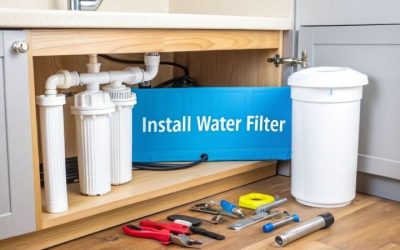
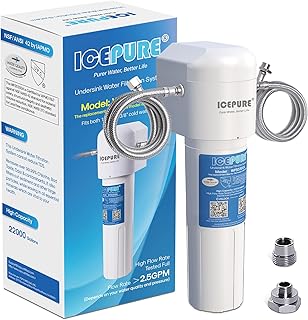
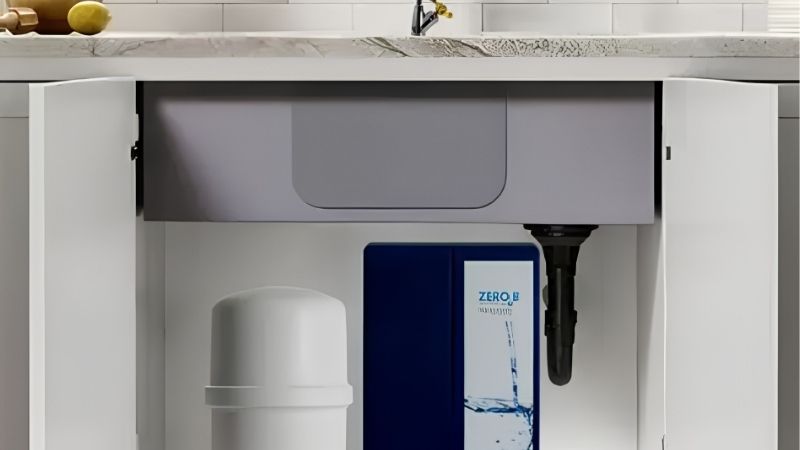
Under-sink filters mount inside the cabinet, so measure the space, especially for RO systems that add a tank and housings, and confirm you can connect to the cold-water line. Carbon inline systems are compact, while dedicated-faucet and RO setups need room to drill a faucet hole if one is not present.
Confirm access to change cartridges without emptying the cabinet, and leave clearance around housings for the wrench that opens them. A shutoff valve on the supply makes cartridge changes cleaner, and for RO, a drain connection and adequate water pressure complete the install.
Renters should confirm they may add a dedicated faucet and connect to the supply, or choose a compact inline carbon unit that reuses the existing tap. Homeowners tight on cabinet space should favor a slim carbon system or a tankless RO, keeping cartridge access easy for maintenance. Adding a supply shutoff makes cartridge changes cleaner and quicker under a crowded cabinet.
Type, Flow, And Cartridge Life
Carbon block systems keep flow high and retain beneficial minerals while reducing chlorine, taste, and, on certified models, lead and other contaminants. They are simpler, need no drain, and waste no water, making them ideal when taste and select contaminants, not total demineralization, are the goal.
Reverse osmosis removes the widest range of dissolved solids, delivering very pure water but at slower flow, with a tank and wastewater. Choose RO when your water test shows contaminants carbon cannot handle, and accept the drain, slower flow, and optional remineralization that come with it.
Cartridge life varies from a few months on high-use inline filters to longer on large carbon blocks and staged RO, so factor the change interval and cost. A filter with a clear indicator or predictable schedule is easier to maintain, and neglected cartridges lose effectiveness and can harbor bacteria. Tracking the change interval matters as much as the initial rating, since a spent cartridge stops working.
Top Under Sink Filter Picks
These six span high-flow carbon systems, compact inline filters, and under-sink RO, so this under sink water filter guide can match a unit to your water and flow needs. Each entry names a real drawback, because the right filter depends on whether you want mineral-retaining carbon or the fuller removal of reverse osmosis. Reading each drawback closely helps you pick carbon or RO based on your water, not the label.
| Pick | Type | Certification focus | Best for |
|---|---|---|---|
| Aquasana Claryum | Carbon block | 42/53 range | Taste + contaminants |
| Frizzlife | Carbon block | 42/53 range | Compact carbon |
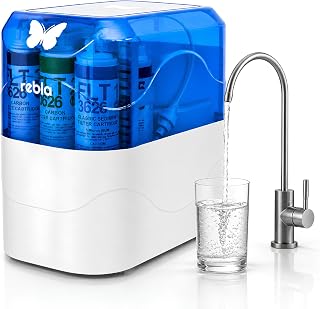
| Waterdrop under-sink | Carbon/RO | Varies | Quick-change |
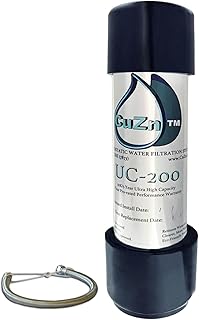
| CuZn | Carbon + KDF | Taste, long life | Low maintenance |
| iSpring RO | Reverse osmosis | 58 + others | Fuller removal |
| Culligan | Carbon block | 42/53 range | Familiar brand |
Aquasana Claryum For Taste And Contaminants
Aquasana’s Claryum under-sink systems use carbon-based filtration to reduce chlorine, taste, lead, and a range of contaminants on certified models while keeping minerals and high flow. For buyers who want broad reduction without RO’s drain and slower flow, it is a strong carbon choice.
The drawback is reliance on proprietary cartridges and their ongoing cost, and it does not remove dissolved solids the way RO does. Confirm the specific certifications for your concerns, since the reduction range depends on the exact model and cartridge you choose.
For mineral-retaining carbon filtration, Claryum leads this guide. Verify the certifications for your water test, plan the dedicated faucet, and stock replacement cartridges, choosing it when high flow and taste matter more than the total demineralization RO provides. For high flow and retained minerals, carbon is the simpler answer when RO removal is not required.
Frizzlife For Compact Carbon
Frizzlife’s under-sink carbon filters are compact and easy to install, reducing chlorine, taste, lead, and select contaminants on certified models with quick-change cartridges. For small cabinets and simple setup, the slim design and tool-free changes are a practical advantage.
The drawback is that carbon does not remove dissolved solids like RO, and a newer brand’s filter availability warrants checking. Confirm the certifications for your concerns, and factor the cartridge interval, since compact filters can need changing more often than large blocks.
For compact, easy carbon filtration, Frizzlife fits this guide well. Verify certifications and filter availability, confirm the connection to your cold line, and keep spare cartridges, choosing it when space and simple maintenance outweigh the fuller removal of an RO system. For small cabinets, the slim body and tool-free changes are the main day-to-day advantages.
Waterdrop Under-Sink For Quick-Change
Waterdrop offers both carbon under-sink filters and compact RO systems with twist-off, quick-change cartridges and, on some models, filter-life indicators. For buyers who dislike wrenches and messy changes, the quick-change design simplifies ongoing maintenance considerably.
The drawback is that certification and capability vary widely between the carbon and RO lines, so confirm exactly which model and ratings you are buying. Proprietary cartridges add ongoing cost, and RO versions bring the usual drain and slower flow.
For quick-change convenience, Waterdrop is a flexible pick here. Decide between carbon and RO based on your water test, verify the certifications for your concerns, and confirm cabinet space and any drain, treating the tool-free cartridge changes as the main day-to-day benefit.
CuZn For Low Maintenance
CuZn’s under-sink filters combine carbon with KDF media and a long rated cartridge life, aiming for years between changes on typical municipal water. For buyers who want minimal maintenance, the long service interval is the standout feature.
The drawback is that long life depends on your water quality and usage, and it targets taste and select contaminants rather than the full range RO removes. Confirm the certifications and the realistic lifespan for your water, since heavy sediment or poor quality shortens it.
For low-maintenance carbon filtration, CuZn is a strong pick in this guide. Confirm the certifications for your concerns and connect it to the cold line, choosing it when a long change interval matters more than the fuller removal and drain of an RO system. Long life depends on your water quality, so heavy sediment or poor quality shortens the interval.
iSpring RO For Fuller Removal
iSpring’s under-sink RO systems remove a broad range of dissolved solids and contaminants through a membrane and staged filters, delivering very pure water at a dedicated faucet. For water tests showing contaminants carbon cannot handle, RO is the fuller-removal answer.
The drawback is the tank space, drain connection, slower filtered flow, and wastewater typical of RO, plus remineralization only as an add-on. Confirm the certifications for your specific contaminants, and factor the ongoing membrane and filter costs.
For fuller removal under the sink, iSpring RO suits this guide’s thorough buyer. Measure cabinet space, plan the drain and faucet, add a remineralization stage if you want mineral taste, and confirm certifications, choosing RO when your water needs more than carbon can provide. When a water test shows dissolved solids carbon cannot touch, RO is the fuller-removal answer.
Culligan For A Familiar Brand
Culligan’s under-sink carbon filters come from a long-established water brand, reducing chlorine, taste, and select contaminants with wide availability and familiar support. For buyers who value a known name and easy filter access, it is a reassuring option.
The drawback is that capability and certification vary by model, and carbon does not remove dissolved solids like RO. Confirm the specific ratings for your concerns rather than assuming brand reputation guarantees the reductions you need.
For a familiar-brand carbon filter, Culligan fits this guide well. Verify the certifications for your water test, confirm the connection and any dedicated faucet, and stock replacement cartridges, choosing it when brand familiarity and availability matter alongside solid carbon filtration.
See More:
- Best eyeshadow blender brush
- Best frozen foods for air fryer
- Best frozen food for air fryer
- Best way to reheat steak in air fryer
- Best air fryer recipes book
Choosing Your Under Sink Water Filter
The best under sink water filter for you depends on the type: high-flow carbon systems from Aquasana, Frizzlife, CuZn, or Culligan for taste and select contaminants while keeping minerals, or reverse osmosis from iSpring or Waterdrop for fuller removal at the cost of a drain and slower flow. Match certification to your water test. Matching flow, cartridge life, and certification to your kitchen is what makes the choice right.
Measure cabinet space, confirm you can add a dedicated faucet and any drain, and factor the ongoing cartridge cost. Because annual water-quality reports and concern over specific contaminants drive many kitchen-filter upgrades, timing varies, but the goal of this under sink water filter guide is a unit whose type, certification, and flow fit your water and your kitchen. Test first, match the type, and a cabinet-sized filter will quietly do its job for years.