Key takeaways
What's inside
Quiet air purifier systems clean your indoor environment without disrupting peaceful sleep at night. Choosing a dependable unit requires balancing ultra-low decibel acoustic ratings against verified CADR output and replacement filter expenses. We evaluated top-rated silent models to find the ideal unit for your space.
By Daniel Foster
As an Amazon Associate we earn from qualifying purchases.
Core Benchmarks for Low-Noise Air Cleaners
Selecting a quiet air purifier requires understanding mechanical specifications rather than relying on marketing slogans. Acoustic output directly correlates with fan motor efficiency, cabinet aerodynamics, and filter resistance. Below are the primary technical metrics that determine real bedroom performance.
Decisive Performance Metrics: CADR, ACH, and True HEPA Standards
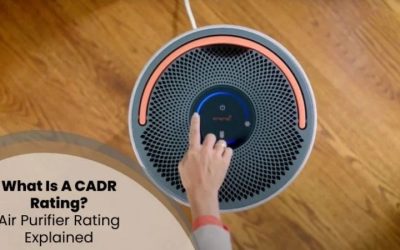
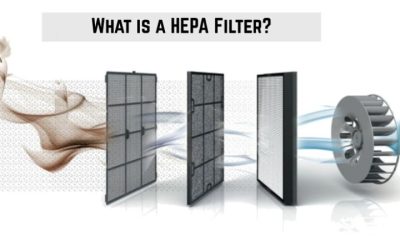
Clean Air Delivery Rate, or CADR, measures cubic feet per minute of purified airflow across smoke, dust, and pollen. A reliable unit delivers at least 100 cfm (170 m3/h) for small rooms and 200 cfm (340 m3/h) for master suites. Genuine True HEPA filters capture 99.97% of airborne particles down to 0.3 microns.
Air changes per hour, or ACH, dictate how many times room air cycles through filtration every sixty minutes. For individuals dealing with dust sensitivities, aim for 4 to 5 ACH rather than the baseline 2 ACH standard. Lower fan speeds reduce CADR significantly, so oversized motors maintain effective cleaning.
Acoustic Engineering: Decibel Tiers and Sleep Disturbance Thresholds
Sound pressure levels are measured in decibels, or dBA, following a logarithmic scale where every 10 dBA increase doubles perceived loudness. Bedroom units must operate between 20 dBA and 25 dBA on sleep mode to avoid awakening light sleepers. At this level, acoustic output blends into gentle ambient room noise.
Turbulence within the fan ducting produces high-pitched whining that disrupts sleep more than steady airflow hum. Quality manufacturers utilize backward-curved centrifugal fans and brushless DC motors to eliminate mechanical rattles. Checking lowest speed decibels ensures the purifier remains unobtrusive all night.
Room Size and Placement: Footprint and Airflow Dynamics
Every room demands proper square footage matching to prevent underpowered filtration or excessive air turbulence. Compact units service 150 to 250 sq ft (14 to 23 m2), while larger chassis cover 400 to 600 sq ft (37 to 56 m2). Always measure your room dimensions before ordering to match verified cleaning specs.
Placement dictates overall air circulation efficiency throughout the entire bedroom or living space. Positioning your quiet air purifier at least 15 inches (38 cm) away from walls prevents choked intake vents and unwanted cabinet resonance. Avoid tucking machines behind heavy drapes or inside cramped wardrobe corners.
Ceiling height also alters the total cubic volume of air that requires purification within your bedroom or living quarters. Rooms featuring standard 8-foot (2.4 m) ceilings match standard CADR charts, whereas vaulted 10-foot ceilings demand approximately twenty percent greater airflow capacity to maintain 4 ACH.
Wildfire Seasons and Seasonal Flu: The Drivers of Air Cleaner Demand
Spikes in airborne particulates during late summer wildfire seasons drive intense demand for home filtration. According to EPA reports from 2026, PM2.5 levels from drifting smoke easily penetrate standard residential windows. Having a dedicated bedroom unit running overnight prevents fine soot buildup indoors.
Winter months similarly force families to seal windows, trapping stagnant respiratory droplets and common dust. Major promotional events like Prime Day in late June and autumn sales offer rare discounts on larger appliances. Purchasing ahead of peak allergy and smoke surges ensures consistent inventory and savings.
Spring pollen season between March and May represents another peak period where overnight bedroom filtration proves essential. Drifting tree pollen and ragweed spores quickly trigger nighttime congestion, prompting elevated air cleaner usage. Securing replacement filters ahead of spring prevents stockouts on Amazon.
The Best Quiet Air Purifiers: Detailed Model Evaluations
We evaluated each quiet air purifier across verified sound stages, real CADR delivery, and chassis footprint. These six selections balance sleep-friendly sound profiles with dependable particulate capture in real homes. Check current retail pricing prior to purchase, as market rates fluctuate across seasonal sales.
Levoit Core 300S: Best Smart Unit for Compact Bedrooms
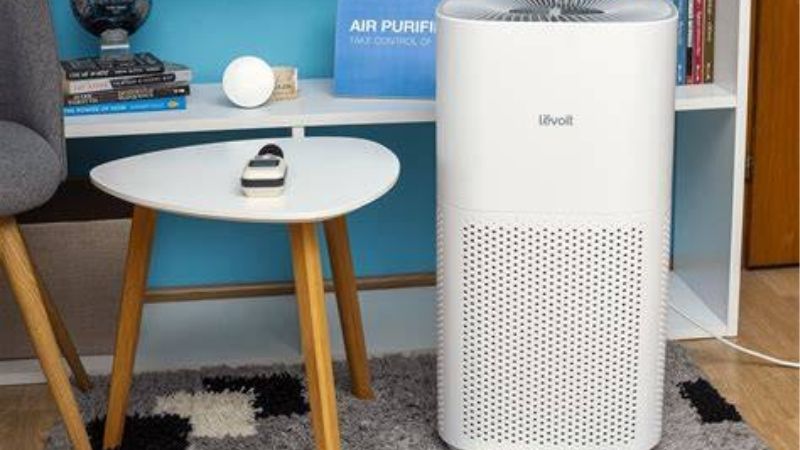
The Levoit Core 300S delivers a smoke CADR of 141 cfm (240 m3/h) in a cylindrical body measuring 8.7×8.7×14.2 in (22x22x36 cm). Rated for rooms up to 219 sq ft (20 m2) at 4.8 ACH, its sleep mode registers at a quiet 22 dBA. Power consumption remains remarkably frugal, drawing merely 3 W to 23 W during active operation.
A standard three-stage barrel filter combines a pre-filter, H13 True HEPA layer, and activated carbon pellets. Genuine replacement filters average moderate annual costs, requiring replacement every 6 to 12 months. However, the budget price tier exhibits reduced air-cleaning speed in rooms exceeding 300 sq ft (28 m2).
Coway Airmega AP-1512HH: Best Overall Proven Performer
The Coway Airmega AP-1512HH generates a robust smoke CADR of 233 cfm (396 m3/h), servicing spaces up to 361 sq ft (34 m2) at 4 ACH. Its sleep setting emits a tranquil 24.4 dBA, while the top fan speed reaches 53.8 dBA. Dimensions stand at 16.8×18.3×9.6 in (43x46x24 cm), fitting neatly along any standard bedroom wall.
Operating this quiet air purifier overnight provides continuous particle removal with minimal motor drone. The True HEPA filter lasts 12 months, supported by an odor carbon pack replaced biannually. A minor drawback is the bright front indicator LED, which requires manual deactivation in dark bedrooms.
Blueair Blue Pure 311i Max: Best Low-Noise Airflow Efficiency
Blueair leverages proprietary HEPASilent technology to deliver 250 cfm (425 m3/h) smoke CADR across rooms up to 387 sq ft (36 m2) at 4 ACH. It produces an ultra-quiet 23 dBA on low, climbing to 50 dBA on high boost. The round chassis measures 12.4×12.4×19.7 in (31x31x50 cm), weighing a portable 7.7 lbs (3.5 kg).
Its washable fabric pre-filter captures coarse hair, extending the primary filter lifespan to 6 to 9 months. Power draw ranges between 4 W and 38 W, keeping electric costs low in this mid-range pick. On the downside, proprietary replacement filters restrict users from buying cheaper generic third-party options.
Winix 5500-2: Best Value for Odor and Pet Dander
The Winix 5500-2 delivers a 232 cfm (394 m3/h) smoke CADR, making it ideal for master bedrooms measuring up to 360 sq ft (33 m2) at 4 ACH. Sleep mode drops the acoustic output to 27.8 dBA, though turbo mode reaches 54.8 dBA. The unit measures 15.0×8.2×23.6 in (38x21x60 cm) and draws 70 W at its maximum speed setting.
Unlike thin carbon sheets, this model uses washable carbon pellets that absorb odors and household VOCs effectively. True HEPA media ensures 99.97% microscopic capture, lasting a full 12 months. The main drawback is its bulky vertical frame, which demands substantial clearance in compact studio apartments.
Rabbit Air MinusA2: Best Ultra-Thin Wall-Mounted Premium Unit
Rabbit Air MinusA2 SPA-780A represents the premium tier, covering up to 815 sq ft (76 m2) at 2 ACH, or 400 sq ft (37 m2) at 4 ACH. It delivers an ultra-quiet 20.8 dBA on its lowest silent speed, utilizing a specialized brushless DC motor. Measuring 21.4×20.0x7.0 in (54x51x18 cm), it mounts directly onto drywall.
A comprehensive six-stage setup incorporates customized toxin or pet filters with BioGS HEPA media. The filters endure up to 24 months under standard daily usage, minimizing recurring hassle. However, the premium upfront retail price and costly filter packs represent a significant investment for homeowners.
Medify MA-40: Best Rapid Cleaning for Moderate Spaces
The Medify MA-40 utilizes medical-grade H13 True HEPA media, providing a substantial CADR of 224 cfm (380 m3/h). It handles spaces up to 420 sq ft (39 m2) at 4 ACH, with low fan settings emitting approximately 36 dBA. Exterior measurements stand at 10.5×11.0x26.0 in (27x28x66 cm), drawing 68 W of maximum line power.
Dual air intakes draw ambient air through both flanks, expanding filter surface area for rapid particulate clearance. Filters require swapping every 4 to 5 months, elevating ongoing running costs. Furthermore, its baseline lowest speed remains louder than dedicated whisper modes on competing sleep machines.
| Model | Noise Level (Sleep / Turbo) | Smoke CADR | Coverage (4 ACH) | Filter Life | Price Tier |
|---|---|---|---|---|---|
| Levoit Core 300S | 22 dBA / 48 dBA | 141 cfm (240 m3/h) | 219 sq ft (20 m2) | 6 – 12 Months | Budget Tier |
| Coway AP-1512HH | 24.4 dBA / 53.8 dBA | 233 cfm (396 m3/h) | 361 sq ft (34 m2) | 12 Months | Mid-Range Tier |
| Blueair 311i Max | 23 dBA / 50 dBA | 250 cfm (425 m3/h) | 387 sq ft (36 m2) | 6 – 9 Months | Mid-Range Tier |
| Winix 5500-2 | 27.8 dBA / 54.8 dBA | 232 cfm (394 m3/h) | 360 sq ft (33 m2) | 12 Months | Mid-Range Tier |
| Rabbit Air MinusA2 | 20.8 dBA / 49.2 dBA | 200 cfm (340 m3/h) | 400 sq ft (37 m2) | 12 – 24 Months | Premium Tier |
| Medify MA-40 | 36 dBA / 66 dBA | 224 cfm (380 m3/h) | 420 sq ft (39 m2) | 4 – 5 Months | Mid-Range Tier |
Long-Term Operation, Ownership Costs, and Reliability
Owning a quiet air purifier involves continuous operational expenses that often exceed the initial hardware purchase price. Evaluating motor durability, sensor reliability, and recurring filter costs ensures realistic budgeting over multiple years. Below are the key engineering factors that govern long-term satisfaction.
The Hidden Recurring Cost: Filter Replacement Cadence and Pricing
Filter replacements serve as an ongoing mandatory subscription required to preserve airflow and hygiene. HEPA media saturates with trapped fine soot over 6 to 12 months, causing air resistance to rise and fan motors to strain. Replacement cartridges cost between $25 and $95 depending on model dimensions and grade.
Neglecting clogged filters leads to bypassed seals and degraded indoor cleaning performance. Calculating two filter changes per year into your total cost of ownership provides an honest financial comparison. Inexpensive initial machines with costly cartridges often prove more expensive over three operating years.
Third-party generic filters frequently flood online marketplaces offering fifty percent discounts compared to factory components. However, irregular dimensions frequently cause perimeter air bypass, allowing uncollected particles to enter room air. Stick with certified OEM filters to preserve certified capture rates.
Mechanical Wear and Noise Degradation Over 12 to 24 Months
Air purifiers that start silent can develop bearing rattles and cabinet vibrations after months of continuous use. Cheap sleeve bearings dry out within 18 months, whereas sealed dual-ball bearings preserve silent rotation. Reviewing manufacturer warranty terms for fan motors separates quality builds from poor designs.
Dust accumulation on internal infrared PM2.5 sensors causes measurement drift, triggering false high fan speeds at night. Cleaning sensor lenses every three months with a dry cotton swab prevents unneeded acceleration and acoustic disruption. Regular exterior vacuuming also prevents premature pre-filter restriction.
Ozone Safety, CARB Certification, and Energy Consumption
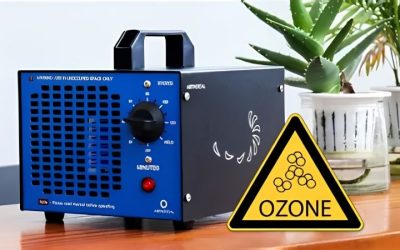
Always verify that any prospective model carries strict California Air Resources Board, or CARB, electrical safety certification. Dedicated ozone generators or ionizing devices emit lung-irritating ozone gas that degrades respiratory health. Trustworthy mechanical True HEPA designs capture pollutants safely without ozone.
Energy draw spans from 3 W on sleep settings to roughly 70 W on maximum turbo speeds. Continuous round-the-clock operation on low speeds adds less than two dollars to standard monthly residential electric bills. Choosing Energy Star certified units prevents utility inflation during protracted seasonal smoke events.
Frequently Asked Questions About Low-Noise Air Cleaners
Common inquiries regarding quiet air purifier ownership center on nighttime operation, acoustic thresholds, and particulate capture efficiency. Below are factual answers addressing common concerns to assist you in making an informed purchasing choice for your household environment and sleeping quarters.
Can a Quiet Air Purifier Run All Night While Sleeping?
Yes, quality purifiers are engineered for continuous 24-hour operation using low-wattage brushless electric motors. Running the unit overnight maintains clean ambient air while preventing fine allergen settling. Set the fan to sleep mode to disable bright LEDs and lock decibels below 25 dBA for undisturbed rest.
What Decibel Level Is Considered Truly Silent for Sleep?
Sound output below 25 dBA is considered virtually imperceptible in standard bedrooms, resembling faint rustling leaves. Background ambient noise in quiet homes typically registers between 28 dBA and 32 dBA. A purifier operating at 20 to 24 dBA will easily blend into room acoustics without triggering wakefulness.
Does Running on Low Speed Still Capture Fine Wildfire Smoke?
True HEPA media captures fine smoke particles regardless of fan velocity, retaining 99.97% single-pass efficiency. However, operating on low speeds lowers the CADR rate, requiring more time to cycle the room air. Running units on higher settings during the day and sleep mode at night maintains ideal air quality.
See More:
- Best eyeshadow blender brush
- Best frozen foods for air fryer
- Best frozen food for air fryer
- Best way to reheat steak in air fryer
- Best air fryer recipes book
Final Verdict on Choosing Your Next Silent Air Cleaner
Selecting the right quiet air purifier comes down to matching your specific bedroom square footage with verified CADR output and true noise levels. For compact spaces, the Levoit Core 300S offers exceptional value, while the Coway AP-1512HH provides unmatched longevity and airflow balance for master bedroom suites.
Be sure to measure your bedroom area and check filter availability before finalizing your order. Note that while air cleaners significantly reduce airborne soot and allergens, they do not replace outdoor ventilation or serve as medical cures for chronic asthma. Consult medical specialists for personal respiratory care.