Key takeaways
What's inside
Purifier comparison chart hunting usually ends in frustration, because most tables hide the numbers that decide a purchase. This purifier comparison chart puts CADR, coverage, filter cost and noise side by side across seven strong HEPA models, so you can match a machine to your room in just a couple of minutes.
As an Amazon Associate we earn from qualifying purchases.
As an Amazon Associate we earn from qualifying purchases at no extra cost to you. Product prices and availability are accurate as of the date shown and are subject to change.





By Daniel Foster
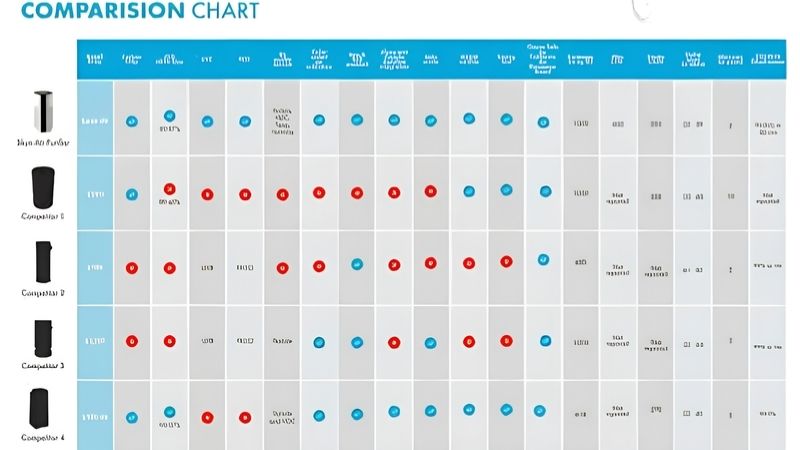
The Full Purifier Comparison Chart at a Glance
Start with the table, then read the notes below to understand what each column really means for your home. The models span budget to premium so the trade-offs are easy to see. Amazon pricing moves constantly, so verify the current tier and listing before you commit to any single unit here.
| Model | Coverage (approx.) | Filter | Standout | Tier |
|---|---|---|---|---|
| Coway Airmega 400 | ~1,560 sq ft | True HEPA + carbon | Big-room CADR | Mid-premium |
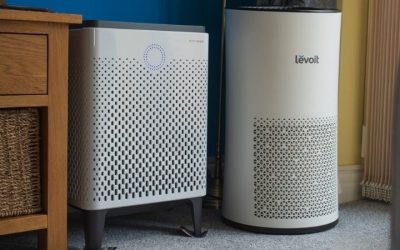
| Levoit Core 600S | ~635 sq ft | True HEPA + carbon | Smart value | Mid |
| Blueair Blue Pure 211+ | ~540 sq ft | HEPASilent + carbon | Quiet airflow | Budget-mid |
| Winix 5500-2 | ~360 sq ft | HEPA + PlasmaWave | Best value | Budget |
| Honeywell HPA300 | ~465 sq ft | True HEPA + carbon | Proven design | Budget-mid |
| Levoit Core 300 | ~219 sq ft | True HEPA + carbon | Bedroom pick | Budget |
| Alen BreatheSmart 75i | ~1,300 sq ft | True HEPA + options | Filter choice | Premium |
Coway Airmega 400: big-room benchmark
Topping this chart for coverage, the Airmega 400 is rated near 1,560 sq ft and pairs True HEPA with activated carbon. It is the pick when you need to clean a large open plan and want auto sensing that ramps the fan up the moment cooking smoke or dust appears.
Owners consistently praise its airflow over years of use, which is the real test for a big machine. The honest catches are its tall footprint and premium two-filter replacement cost, so budget for both the shelf space and the recurring filter spend before you choose it over a smaller rival.
Levoit Core 600S: smart value
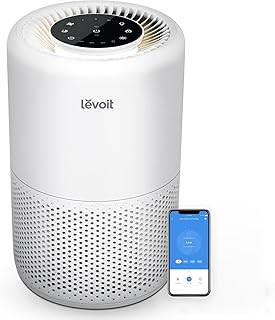
The Core 600S is the standout mid-tier entry, covering roughly 635 sq ft at 4.8 ACH with app control, scheduling and an air quality display. It brings automation to a large room without the premium price, which is why it appears near the top of most value-focused lists.
Its True HEPA and carbon stack handles particles and odor well, and the sensor keeps it running only as hard as needed. In a very large space it will sit on higher speeds more often, which trims filter life, but for most living rooms it hits a genuine sweet spot.
Winix 5500-2 and Levoit Core 300: budget champions
These two anchor the value end of the chart. The Winix 5500-2 covers about 360 sq ft with HEPA, carbon and an optional ionizer, while the Core 300 suits bedrooms near 219 sq ft with a clean, quiet True HEPA design and low filter costs.
Both deliver strong filtration for the money, but note the Winix PlasmaWave is an ionizer that can emit trace ozone, so leave it off if you are sensitive. Neither is meant for a whole open floor, yet each is an excellent single-room cleaner at an easy price.
Blueair 211+ and Honeywell HPA300: quiet and proven
The Blueair Blue Pure 211+ sits in the middle of the range, covering about 540 sq ft while moving a lot of air quietly through its HEPASilent design. Its one-button simplicity and washable pre-filter sleeve suit anyone who wants clean air without an app or a menu to learn.
The Honeywell HPA300 is the proven workhorse, rated near 465 sq ft with True HEPA and a carbon pre-filter. It skips smart features but delivers dependable filtration, widely stocked affordable replacements and a track record over years of use that many newer, flashier machines have yet to earn.
Between them they show a useful trade-off: the Blueair leans quiet and modern, the Honeywell leans simple and cheap to maintain. Neither tops the coverage column, but both are easy long-term picks for a single large room where fuss-free reliability matters more than the highest headline number.
How to read coverage, CADR and True HEPA
Coverage only means something at a stated air change rate. A number quoted at 1 ACH looks far larger than the same unit rated at 4.8 ACH, so this purifier comparison chart leans on higher-ACH figures that reflect real allergy-grade cleaning rather than best-case marketing math.
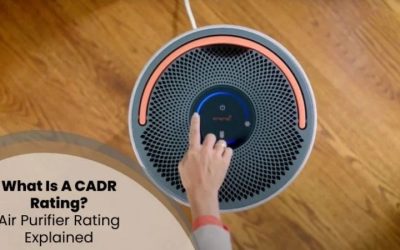
CADR ratings for smoke, dust and pollen show how fast a machine clears each pollutant. Higher CADR lets you run a lower, quieter fan speed to reach the same air quality, which is the practical reason a slightly oversized unit almost always wins in daily life.
Finally, insist on genuine True HEPA, which captures 99.97% of particles at 0.3 microns, and treat “HEPA-type” wording as a red flag. Every model in this purifier comparison chart uses real True HEPA plus carbon, so the field stays honest across every price tier listed above.
How to Use This Purifier Comparison Chart for Your Room
A chart is only useful if you translate it to your space. The criteria below turn the columns into a decision, starting with the numbers that matter and ending with the running costs people forget until the first replacement filter arrives in the mail a few months later.
The decision numbers that matter most
Pin down your room size first, then pick a model whose coverage exceeds it at 4 to 5 ACH. This purifier comparison chart is built so you can scan the coverage column, rule out anything too small for your space, and shortlist two or three realistic candidates in a matter of seconds.
Next, weigh the smoke CADR against your household reality. Cooking, pets, wildfire haze or a nearby smoker all push you toward a higher rating, and buying a little extra headroom lets the machine run quietly on a mid setting instead of straining at full speed all day.
Seasonal spikes should shape the choice too. Spring pollen, late-summer wildfire smoke and winter flu season all raise demand and the value of a well-matched unit, so size for your worst month rather than an average day to avoid feeling underpowered when it counts.
Space and fit: measure before you buy
Bigger CADR means a bigger box. Check the footprint against the spot you have in mind and keep the intake clear of walls and furniture, since blocked airflow quietly undercuts the very coverage number that sold you on the unit in the first place.
Placement beats raw power in an open plan. One well-positioned central unit serves a combined space better than a strong machine hidden in a corner, so factor location into the choice, not just the headline specification printed on the box or product page.
Consider weight and portability if you move units between rooms. Larger towers can be heavy and awkward, so look for a grip or casters if the machine will follow you from the living room by day to a bedroom at night on a regular basis.
Filter life and hidden running costs
Treat filters as a recurring cost, not an afterthought. Replacement cadence and price vary widely across these models, and dual-filter or premium systems cost more per year, so add a rough annual filter figure to each shortlist entry before you rank them.
Check whether filters are proprietary and whether a washable pre-filter is included, since that extends the life of the main HEPA. A cheaper machine with pricey, brand-locked filters can cost more over three years than a mid-tier unit with affordable, easy-to-find replacements.
Sale events matter here. Prime Day in late June and Black Friday in November are when larger units and filter bundles tend to drop the most, so if you are flexible on timing you can move up a tier or stock spare filters for the same overall spend.
Noise and nighttime use
Look at the decibel rating at the speed you will actually run, especially overnight. Auto modes with an air quality sensor help by throttling down when the room is clean, keeping a bedroom quiet while still catching spikes from cooking, pets or an open window during the night.
If you are sensitive to ozone, favor purely mechanical HEPA-and-carbon units and leave any ionizer feature switched off. That keeps the cleaning honest and avoids the trace ozone that ionizing add-ons can produce inside an occupied room over long hours of continuous use.
Frequently Asked Questions
These are the questions readers ask most when turning a spec table into an actual purchase, answered briefly so you can move from shortlist to decision with confidence.
What does CADR actually tell me?
CADR measures how fast a machine removes smoke, dust and pollen, in cubic feet per minute. A higher figure means faster cleaning, which lets you run a lower, quieter fan speed to reach the same air quality, so treat it as the headline performance number.
Is a higher coverage number always better?
Bigger coverage helps only if it is quoted at a useful air change rate. A number listed at one ACH looks large but reflects light cleaning, so compare units at 4 to 5 ACH and buy a little more than your room needs for real, quiet performance.
How much do replacement filters cost each year?
It varies widely by model, and dual-filter or premium systems cost the most annually. Check the replacement price and cadence before buying, since a cheap machine with expensive, brand-locked filters can cost more over three years than a pricier unit with affordable ones.
See More:
- Best eyeshadow blender brush
- Best frozen foods for air fryer
- Best frozen food for air fryer
- Best way to reheat steak in air fryer
- Best air fryer recipes book
Final Thoughts on This Purifier Comparison Chart
A good purifier comparison chart saves you from marketing noise by putting coverage, CADR, filter cost and sound in one clear view. Match a model whose numbers beat your room at 4 to 5 ACH, budget for filters across the year, and time a bigger buy around a major sale when you can. Use this purifier comparison chart as your shortlist tool and the final choice becomes a quick, confident decision rather than a guess.