
Best brewed coffee maker decisions come down to three specifications: brew type, carafe capacity and the counter space the machine occupies. Water temperature is the quiet fourth factor, because a machine that cannot hold 195-205F through the whole cycle will under-extract whatever beans you put in it.
As an Amazon Associate we earn from qualifying purchases.
Our top picks


As an Amazon Associate we earn from qualifying purchases at no extra cost to you.
By Daniel Foster
🛒 Best Price Today on Amazon
Prime members get fast, free shipping on everything above, plus member-only deals. New members get a 30-day free trial — cancel anytime.
Start 30-Day Prime Free Trial →See Today’s Amazon DealsHow to Choose the Best Brewed Coffee Maker
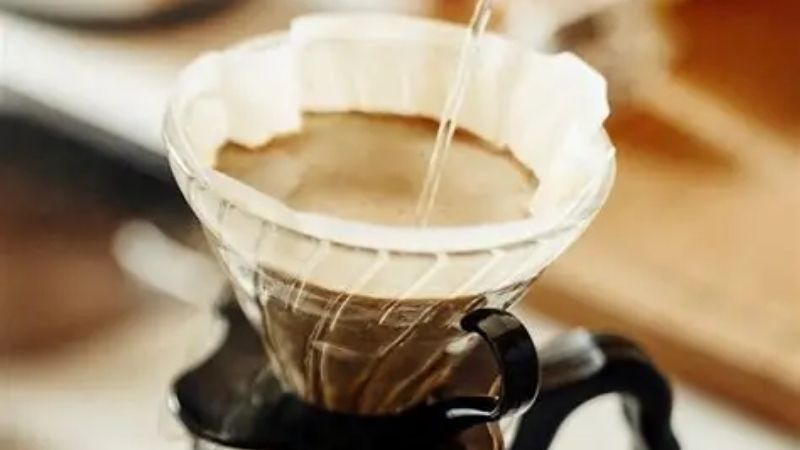
Drip machines look interchangeable and are not. The differences that matter sit in the heating element, the shower head design and the total brew time, and those three things explain why two machines with identical capacity produce noticeably different coffee. The best brewed coffee maker in any price bracket is the one that holds temperature through the whole cycle.
Brew Type, Capacity and Water Temperature
Capacity is quoted in cups, but a cup here is 5 oz (148 mL), not a mug. A 10-cup machine makes roughly 50 oz (1.5 L), which fills three large mugs and a refill. Match that to your household before comparing anything else on the spec sheet. A 14-cup machine used for two mugs a day wastes both counter space and coffee.
The Specialty Coffee Association recommends brew water at 195-205F (90-96C), with total contact time around four to six minutes for a full carafe. Machines certified against that standard state it explicitly; machines that do not usually run cooler and produce weaker, sour results.
Space and Fit: Counter Footprint and Clearance
Drip machines occupy roughly 8-12 in (20-30 cm) of width and 12-16 in (30-41 cm) of height, and the taller ones will not fit under a standard upper cabinet at 18 in (46 cm) clearance if the water tank lid opens upward. Measure that gap before ordering.
Depth matters for the carafe swing and for machines with a rear-mounted reservoir you have to reach behind. If the machine lives permanently on the counter, check the cord exit direction too, since a rear-exit cord adds two or three inches to the real footprint. Footprint is the constraint that eliminates most machines in a small kitchen.
Carafe Type, Programming and Filters
Glass carafes sit on a hot plate that continues cooking the coffee and turns it bitter within 30 minutes; thermal carafes hold temperature without heat and keep a pot drinkable for a couple of hours. For anyone who drinks over an extended morning, thermal is the better choice.
Permanent mesh filters remove the paper cost but let more oils through, changing the body of the cup. Programmable timers, auto shut-off and a pause-and-serve valve are standard at mid-tier prices and worth having, though none of them affect extraction quality. Choosing the best brewed coffee maker on features alone is how people end up with a programmable machine that brews cool.
Noise, Grinders and Running Costs
Grind-and-brew machines add a burr or blade grinder in the same housing, which is convenient and loud enough to matter in an open-plan apartment at 6am. A separate grinder is quieter to run at a different time and easier to replace when it wears.
Running costs are mostly descaling solution and filters, plus water filter cartridges on machines that use them. Pod machines carry a higher and less obvious per-cup cost; a drip machine using bulk beans is substantially cheaper over a year of daily use. Grinding a week of beans at a time keeps that cost advantage without the early morning noise.
Top Picks: Six Drip Machines Worth the Counter Space
The lineup below spans budget to premium and includes both certified and uncertified machines, with a real drawback listed for each. Figures come from manufacturer documentation and long-term owner reports, and prices shift often enough that they should be checked at purchase. Model numbers also vary between retailers, so confirm capacity and carafe type on the exact listing.
| Model | Capacity | Carafe | SCA certified | Notable |
|---|---|---|---|---|
| Technivorm Moccamaster KBGV Select | 10 cups / 1.25 L | Glass | Yes | Copper element, repairable |
| OXO Brew 9-Cup | 9 cups / 1.3 L | Thermal | Yes | Rainmaker shower head |
| Breville Precision Brewer | 12 cups / 1.8 L | Thermal or glass | Yes | Multiple brew modes |
| Bonavita Connoisseur | 8 cups / 1.2 L | Thermal | Yes | One-button operation |
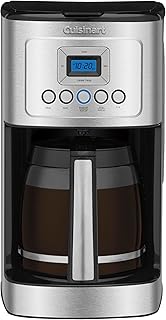
| Cuisinart DCC-3200 PerfecTemp | 14 cups / 2 L | Glass | No | Adjustable strength |
| Ninja Programmable XL | 14 cups / 2 L | Glass | No | Multiple brew sizes |
Technivorm Moccamaster KBGV Select – Built to Be Repaired
A copper heating element brings water into the 195-205F (90-96C) window and holds it for a four to six minute cycle, with a manual drip-stop that lets you brew half a carafe properly. Parts are sold individually, which is unusual and extends the machine’s realistic lifespan considerably.
It is the most expensive machine here and it is not programmable, so there is no waking up to a finished pot. The glass carafe sits on a hot plate with adjustable temperature, which still degrades coffee faster than a thermal carafe would.
OXO Brew 9-Cup – Certified Brewing With a Thermal Carafe
The rainmaker shower head distributes water across the whole bed of grounds rather than drilling one hole through the middle, which is the most common reason cheap machines extract unevenly. Even saturation is the difference between a balanced cup and a sour one. The double-walled thermal carafe holds a pot without a hot plate cooking it.
The single-dial interface is minimal to the point of being unintuitive at first, and the carafe lid needs deliberate seating or it will drip when pouring. Cleaning the shower head requires occasional attention that a simpler drip basket does not.
Breville Precision Brewer – Control Over Every Variable
Separate modes for fast, gold, strong, iced and cold brew, plus manual control of bloom time and flow rate. If you change beans frequently, this is the machine that adapts to them, and the 12-cup capacity covers a household or a small office.
The complexity is real: several menus stand between you and a simple pot of coffee, and the footprint is larger than most. Anyone who wants one button and a carafe is paying a premium for control they will never use.
Bonavita Connoisseur – One Button, Correct Temperature
A 1500W element reaches brew temperature quickly and holds it, with a flat-bottom basket and a pre-infusion mode that wets the grounds before the main cycle. Operation is a single switch, which is exactly right for a machine used half-asleep.
There is no timer and no programming, so it cannot start before you get up. The 8-cup capacity is the smallest here in practical terms, and the plastic components around the lid feel less substantial than the price suggests they should.
Cuisinart DCC-3200 PerfecTemp – Volume at a Fair Price
Fourteen cups, adjustable brew strength, a 24-hour programmable timer and a charcoal water filter, at a mid-tier price. For a household that empties a full carafe every morning, capacity and programming matter more than certification, and this covers both.
It is not SCA certified and brew temperature runs below the ideal window on the first cups of a large batch. The glass carafe and hot plate combination means the last third of the pot will taste noticeably worse than the first.
Ninja Programmable XL – Flexible Batch Sizes
Brews a single cup, a half carafe or a full 14 cups without changing the basket, plus a permanent filter and a removable water reservoir that makes refilling easier than pouring into a fixed tank. It suits households where consumption varies day to day.
Like the Cuisinart, brew temperature is not certified and sits at the lower end of the useful range. The machine is tall, so measure cabinet clearance carefully, and the number of removable parts adds a little time to the weekly clean. None of that is difficult, but it is more upkeep than a two-part machine.
Maintenance, Descaling and What Fails First
Even the best brewed coffee maker rarely dies suddenly. They slow down, brew cooler and eventually stop pushing water at all, and almost every one of those failures traces back to scale. Understanding the sequence tells you where to spend maintenance effort.
Descaling on a Real Schedule
Calcium builds inside the heating tube and narrows it, which lengthens brew time and drops water temperature below the extraction window. In hard water areas that happens within two to three months; with filtered or soft water, three to six is realistic.
Use the manufacturer’s solution or diluted white vinegar followed by two full water cycles. A machine that has started taking noticeably longer to fill the carafe is already scaled, and running the cycle twice is often needed to clear it completely.
Grinder Wear and Pump Decline
On grind-and-brew machines, burrs dull gradually and produce more fines, which over-extract and taste bitter. Blade grinders never produced consistent particle size to begin with, so a separate burr grinder remains the single biggest upgrade to cup quality at any price.
Pumps and heating elements weaken with scale rather than age. Machines with published parts availability can be repaired; most cannot, which is worth factoring into the total cost of a premium machine that lasts a decade against a budget one replaced every three years.
Daily Cleaning and Off-Flavours
Coffee oils go rancid in the basket, the carafe and the shower head, and that is the usual cause of a machine that suddenly makes bitter coffee despite fresh beans. Rinse the removable parts daily and wash them properly once a week.
Leaving water in the reservoir between uses encourages growth in the tank and lines. Empty it if the machine sits unused for several days, and run a plain water cycle before brewing again after any extended gap. A best brewed coffee maker that sits unused for a fortnight needs that rinse more than it needs descaling.
See More:
Final Thoughts on the Best Brewed Coffee Maker
Set your daily volume first, decide between glass and thermal second, and only then compare temperature certification and features. That order narrows a crowded category to two or three machines that actually suit how your kitchen runs in the morning.
The best brewed coffee maker for most households is a certified mid-tier machine with a thermal carafe and a descaling routine that is actually followed. Measure your counter and cabinet clearance before ordering, and check current pricing at the time of purchase.





Write Your Review
No reviews yet. Be the first to share your experience!