
Best back support for chair in office use is decided by three unglamorous things: what the cushion is made of, how it attaches, and whether it suits the shape of the chair you already own. A support that slides down every hour is worse than none.
As an Amazon Associate we earn from qualifying purchases.
Our top picks






As an Amazon Associate we earn from qualifying purchases at no extra cost to you.
By Daniel Foster
Specifications come from manufacturer documentation and long-term owner feedback rather than lab testing. Nothing here is medical advice, and a cushion is not a treatment; for back pain, speak with a physician, a physiotherapist or an occupational health adviser.
🛒 Best Price Today on Amazon
Prime members get fast, free shipping on everything above, plus member-only deals. New members get a 30-day free trial — cancel anytime.
Start 30-Day Prime Free Trial →See Today’s Amazon DealsWhat Separates a Support That Works From One That Annoys
These products look interchangeable in listing photos and behave very differently across an eight-hour day, which is why the best back support for chair in office use is decided by fit rather than by brand. Four factors explain why.
Material, Attachment Method and Chair Compatibility
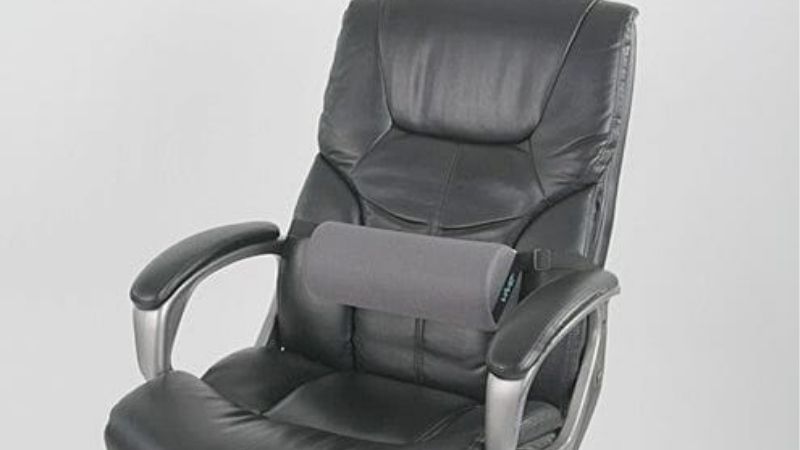
These three are the decisive factors in any best back support for chair in office comparison. Material means high-density memory foam, which holds shape under long sitting; softer moulded foam, which compresses within months; or mesh frames, which sit away from the backrest and allow airflow.
Attachment matters just as much. A single elastic strap slips on a curved backrest; a two-point strap system with adjustable buckles holds position on most task chairs. Mesh frames hook over the top of the backrest, which suits chairs with a fixed straight back and not those with a headrest.
Where It Sits Against Your Back and the Chair
Fit is the entire game, and it is where most purchases go wrong. The support should meet the inward curve of your lower back, which for most people sits somewhere around 6 to 9 in (15 to 23 cm) above the seat base. Too high and it pushes the mid back forward; too low and it pushes the pelvis instead.
Measure the backrest width and height before ordering, since a cushion wider than the backrest bulges at the sides and one too tall interferes with a headrest. On a chair with an existing built-in lumbar bulge, adding a cushion on top often pushes you too far forward, which is worth testing before buying.
Thickness, Depth and Desk Position
Thickness changes your whole desk position, not just your back. A cushion of 3 to 5 in (7.5 to 13 cm) is typical, and every inch pushes you forward relative to the desk. On a shallow desk that changes your reach to the keyboard, which can create discomfort elsewhere even as the back feels better.
Check the depth of the seat pan too. A cushion that shortens the effective seat depth can leave taller users perched, so the whole setup is worth reassessing after fitting rather than judging the cushion alone.
Cover, Airflow and Cleaning
A removable washable cover is worth insisting on for something you sit against daily. Mesh covers breathe best in warm offices; velour and knit covers feel softer and hold heat, which some people find uncomfortable by mid-afternoon.
Anti-slip backing on the cover prevents the cushion sliding down between your back and the seat, which is the single most common complaint about products in this category regardless of price.
Six Supports Compared
A best back support for chair in office use can take several forms, so these span dense foam cushions, budget options, a firm roll and a mesh frame. Each entry lists a genuine drawback, because comfort here is personal rather than universal.
| Product | Material | Attachment | Best for |
|---|---|---|---|
| Cushion Lab Pressure Relief Lumbar Pillow | Dense memory foam | Two adjustable straps | Long sitting days |
| ComfiLife Lumbar Support | Memory foam | Two straps | Value option |
| Everlasting Comfort Lumbar Support | Memory foam | Single strap | Car and office use |
| Purple Back Cushion | Gel grid | Straps | Warm offices |
| OPTP McKenzie Lumbar Roll | Firm foam roll | Strap | Firm, minimal support |
| Fellowes Professional Series Mesh | Mesh frame | Hooks over backrest | Airflow, no cushion bulk |
Cushion Lab Pressure Relief Lumbar Pillow: Dense and Stays Put
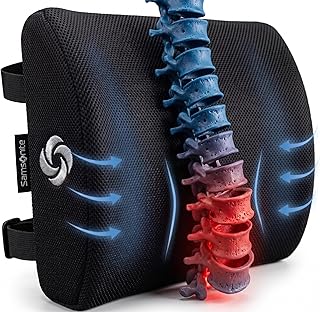
Uses high-density memory foam with a contoured shape and two adjustable straps that hold it against a curved backrest. The density is what distinguishes it: it still supports at the end of a long day rather than flattening by lunchtime.
It is thicker than most rivals, which pushes you forward relative to the desk and may require adjusting the chair position. The premium price is also hard to justify for someone who sits at a desk only occasionally.
ComfiLife Lumbar Support: The Sensible Middle
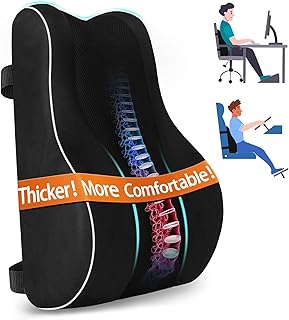
Memory foam in a contoured shape with a mesh cover and two straps, at a mid-range price. It is the most commonly recommended option for a typical task chair and covers most requirements without fuss.
The foam is softer than the premium options, so it compresses more over a year of daily use. The cover breathes well but the foam behind it still retains heat in a warm room.
Everlasting Comfort Lumbar Support: Office and Car
A widely sold memory foam cushion designed to work in both a desk chair and a car seat, with a single adjustable strap and a breathable cover. The dual use is genuine rather than marketing.
A single strap slips more readily on a curved office backrest than a two-point system does. Foam density is moderate, so expect noticeable compression after a year of full-time use.
Purple Back Cushion: Airflow Through the Grid
Uses an elastomer grid rather than foam, which flexes where you press and allows air to pass through, so it runs noticeably cooler than memory foam in a warm office.
It is heavier than a foam cushion and the grid feel is divisive; some people find it too yielding for lumbar support specifically. It is also priced well above conventional foam options.
OPTP McKenzie Lumbar Roll: Firm and Minimal
A dense cylindrical roll rather than a contoured cushion, widely used in physiotherapy settings, providing firm support in a small area without pushing the whole torso forward.
The firmness is uncomfortable for anyone expecting cushioning, and the shape suits some backs and not others. It is a specific tool rather than a general comfort product, and worth discussing with a physiotherapist if one is involved in your care.
Fellowes Professional Series Mesh: No Bulk at All
A tensioned mesh frame that hooks over the backrest and holds itself away from the chair, providing support with airflow behind your back and almost no added thickness at the desk.
It only fits chairs with a suitable backrest shape and cannot be used on chairs with an integrated headrest or an unusual profile. The support is also gentler than a foam cushion, which is insufficient for people wanting firm contact.
Setting Up the Whole Chair, Not Just the Cushion
Even the best back support for chair in office use is one component of a seating setup, and the other components do more for comfort than it does.
Chair Height, Desk Height and Feet
Standard ergonomic guidance places feet flat on the floor with knees around hip height, forearms roughly level with the desk surface, and the screen top near eye level. A lumbar cushion cannot compensate for a chair set too high or a desk set too low.
Adjust the chair first, then add the support, then reassess. If adding a cushion means your feet no longer reach the floor comfortably, a footrest is the missing piece rather than a different cushion.
Movement Beats Any Cushion
No seated position is good for hours without change. Standing up briefly every 30 to 60 minutes does more for comfort than any product in this category, and it is free.
If discomfort persists despite a reasonable setup, that is a conversation for a physician, physiotherapist or workplace occupational health service. A cushion changes how you sit; it does not diagnose or treat anything.
Durability and Buying Timing
Foam density determines lifespan. Softer cushions in daily full-time use commonly flatten within a year, at which point they stop providing support and start simply occupying space behind you.
Home office products are discounted around the Amazon deal event in early October and the Black Friday to Cyber Monday window in late November. Prices move constantly, so verify at purchase, and buy on fit rather than on a discount.
Frequently Asked Questions
Three questions come up in nearly every message from readers choosing a best back support for chair in office work.
Will a lumbar cushion fix my back pain?
It can change how you sit, which some people find more comfortable, but it is not a treatment and no product should be presented as one. Persistent or worsening pain warrants a physician or physiotherapist rather than a purchase.
Where exactly should it sit?
Against the inward curve of the lower back, typically around 6 to 9 in (15 to 23 cm) above the seat base for most adults. If it feels like it is pushing your mid back, it is too high; adjust the straps rather than tolerating it.
Can I use one on a chair that already has lumbar support?
Often not usefully. Adding a cushion over a built-in bulge can push you too far forward. Try adjusting the chair’s own support first, since most task chairs allow height or depth adjustment that people never touch.
See More:
- Best low price dash cam
- Projector screens at Best Buy
- Best buy projector screens
- Best projector for games
- Best projector for gaming
Final Thoughts on Choosing a Support
The best back support for chair in office use is the one that fits your chair, stays where you put it, and does not push you so far forward that your desk reach changes. Density and attachment method matter more than brand.
Measure the backrest and check whether your chair already has adjustable lumbar support before ordering. Whichever best back support for chair in office setup you choose, set the chair height first and get up regularly, since both do more for comfort than any cushion can.

Write Your Review
No reviews yet. Be the first to share your experience!