
Best car vacuum cordless comparisons live or die on three numbers: suction measured in kPa, runtime in minutes at full power, and weight in your hand while you reach under a seat. Bin capacity and tool reach decide the rest.
As an Amazon Associate we earn from qualifying purchases.
Our top picks




As an Amazon Associate we earn from qualifying purchases at no extra cost to you.
By Daniel Foster
Specifications come from manufacturer documentation and long-term owner feedback rather than lab testing. Prices move constantly, so models are described as budget, mid-range or premium rather than by figures.
🛒 Best Price Today on Amazon
Prime members get fast, free shipping on everything above, plus member-only deals. New members get a 30-day free trial — cancel anytime.
Start 30-Day Prime Free Trial →See Today’s Amazon DealsWhat Actually Cleans a Car Interior
Car interiors are a hard test: embedded grit in carpet, pet hair on fabric, crumbs in seat rails and dust in vents. A best car vacuum cordless pick has to handle all four while being light enough to hold at full stretch. Four specifications decide whether it manages.
Suction, Runtime and Weight
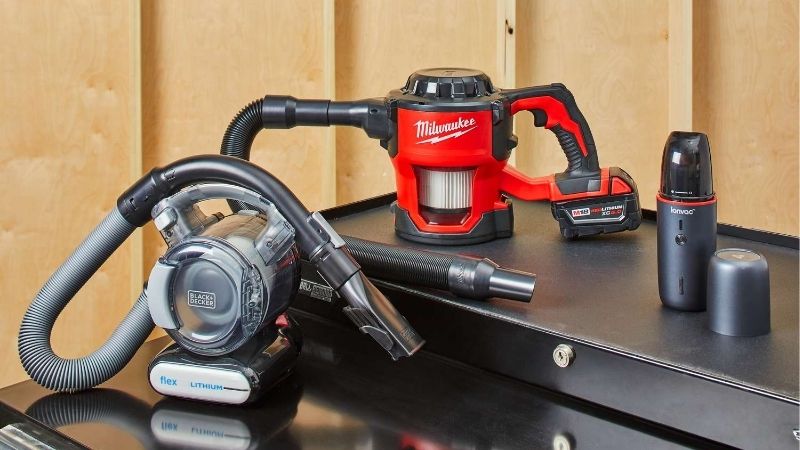
These three are the decisive numbers behind any best car vacuum cordless comparison, and they trade against one another. Suction on handheld units is quoted in kPa or air watts, with useful cordless models generally sitting between 8 and 20 kPa. Runtime at maximum power is typically 8 to 20 minutes, far shorter than the headline figure quoted for eco mode.
Weight matters because you hold the unit at arm’s length under seats. Anything above roughly 3 lb (1.4 kg) becomes tiring quickly, which is why full-size stick vacuums with a hose are less pleasant in a car than a purpose-made handheld despite having more power.
Reach, Tools and Getting Between the Seats
Reach matters as much as power in a car. A crevice tool of 6 to 10 in (15 to 25 cm) is what reaches into seat rails and the gap beside the centre console, and a soft brush handles vents and dashboards without scratching. Motorised mini brush heads matter for pet hair on fabric seats.
Measure the awkward spots in your own car before choosing: the gap between seat and console, the boot corners, the space under the front seats. Also plan where the vacuum will be stored, since a unit kept in the boot gets used far more than one that lives in a cupboard indoors.
Bin Size, Emptying and Filters
Handheld bins run from about 0.1 to 0.5 qt (0.1 to 0.5 L), which sounds tiny and is adequate because a car interior holds little debris. A one-touch bin release matters more than volume, since emptying is where dust escapes back into the air.
Washable HEPA-style filters remove a recurring cost, but they must be fully dry before refitting or airflow collapses and the motor works harder. Check whether spare filters are sold separately, since a clogged filter is the most common reason a vacuum seems to lose suction.
Charging, Batteries and Corded Alternatives
Most handhelds charge over USB-C or a dock in two to four hours, and battery capacity is the main reason runtime differs. Tool-platform models running on an existing 18V or 20V battery are attractive if you already own the batteries, since you can swap rather than wait.
Corded 12V vacuums that plug into the car socket never run flat and are cheaper, at the cost of a cable in the way. For a household cleaning one car occasionally, that trade is genuinely worth considering rather than dismissing.
Six Cordless Handhelds Compared
A best car vacuum cordless shortlist should include more than plain handhelds, so these span budget units, pet-focused models, tool-platform options and one premium stick. Each entry lists a genuine drawback, because power, weight and runtime always trade against each other.
| Model | Type | Runtime | Best for |
|---|---|---|---|
| Shark UltraCyclone Pet Pro+ | Handheld | Around 10 minutes | Pet hair |
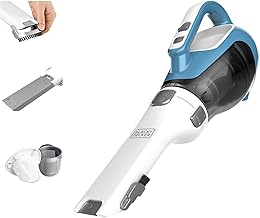
| Black and Decker Dustbuster AdvancedClean | Handheld | Around 10 minutes | Everyday crumbs |
| Bissell Pet Hair Eraser Cordless | Handheld | Around 15 minutes | Fabric seats |
| Ryobi ONE+ 18V Hand Vacuum | Tool platform | Depends on battery | Existing battery owners |
| Worx WX030 CUBE Vac | Tool platform | Depends on battery | Wet and dry pickup |
| Dyson V8 | Stick with handheld mode | Around 40 minutes total | Car plus house |
Shark UltraCyclone Pet Pro+: Hair Off Fabric
A compact handheld with strong suction for its size and a motorised brush head that lifts pet hair from fabric seats rather than skating over it. The bin empties with one button, keeping dust contained.
Runtime around ten minutes at full power means a whole car takes two sessions or careful rationing. The motorised head also tangles with long hair and needs clearing periodically, which is a small but real chore.
Black and Decker Dustbuster AdvancedClean: The Everyday Choice
A light, familiar handheld with a flip-out crevice tool and a washable filter, aimed at crumbs, dust and light debris rather than embedded grit. It is easy to keep in a boot and cheap enough to be a second vacuum.
Suction is modest, so it struggles with sand pressed into carpet and with heavy pet hair. Battery capacity is also limited, and older units in this family are known for reduced runtime after a couple of years.
Bissell Pet Hair Eraser Cordless: Fabric Specialist
Designed around pet hair with a motorised brush and a rubber nozzle that grips fibres from upholstery, plus a bin that empties cleanly. Runtime around fifteen minutes is respectable for the class.
It is bulkier than a plain handheld, which makes reaching under seats less comfortable. The brush needs hair cut away from the roller occasionally, and the filter clogs faster than average in a hairy car.
Ryobi ONE+ 18V Hand Vacuum: If You Already Own the Batteries
Runs on the same 18V packs as a wide tool range, so runtime is whatever your battery collection allows and swapping is instant. That single fact makes it the practical choice for anyone already in the platform.
With a battery fitted it is heavy and unbalanced compared with purpose-made handhelds, which matters when reaching. Bought without existing batteries and a charger, the total cost stops being competitive.
Worx WX030 CUBE Vac: Wet and Dry
A compact tool-platform vacuum that handles both dry debris and small liquid spills, which is genuinely useful in a car where drinks get knocked over. It runs on the brand’s 20V batteries.
Suction is moderate and the shape is awkward for tight footwells. Wet pickup also demands thorough drying and cleaning afterwards, or the unit develops a smell within a couple of uses.
Dyson V8: One Machine for Car and House
Detaches into a handheld with strong suction and a proper filtration system, with total runtime around forty minutes in eco mode and much less in boost. For a household wanting one vacuum for both jobs, it is the credible answer.
It is expensive, and in handheld form it is heavier than dedicated car vacuums. Boost mode runs down quickly, and the crevice tool is shorter than some seat rails require, so an extension may be needed.
Keeping a Handheld Working
Three ownership realities determine whether a best car vacuum cordless purchase keeps the suction it had in month one, and the filter causes most of the trouble.
Filters Are Usually the Problem
When a handheld seems to lose power, the filter is clogged far more often than the motor is failing. Fine dust blinds the media quickly in a car, where grit and sand are the main load.
Wash washable filters on schedule and let them dry completely, which usually takes 24 hours, before refitting. Running a vacuum with a damp filter restricts airflow and makes the motor run hot, which is how a cheap mistake becomes an expensive one.
Battery Life and Storage
Lithium batteries lose capacity with cycles and heat, and a vacuum stored in a car boot through summer experiences plenty of both. Storing it indoors and charging it before use preserves capacity considerably.
On integrated-battery models, the pack is effectively the lifespan of the product. Tool-platform units avoid this because packs are replaceable, which is a genuine long-term advantage that rarely appears in comparisons.
Bins, Hair and Buying Timing
Empty the bin after every session rather than when it looks full, since debris packed against the filter reduces airflow immediately. Cut tangled hair from motorised rollers with scissors rather than pulling, which damages the bristles.
Cleaning appliances are discounted around the Amazon deal event in early October and the Black Friday to Cyber Monday window at the end of November, when handheld vacuums also sell as gifts. Prices move constantly, so verify at the moment of purchase.
Frequently Asked Questions
Three questions come up in nearly every message from readers choosing a best car vacuum cordless model for a family car.
Is cordless powerful enough for a car?
For crumbs, dust and pet hair, yes. For sand ground into carpet, a corded 12V unit or a proper wet and dry shop vacuum does better. Match the tool to the mess rather than expecting a handheld to do everything.
How much runtime do I really need?
A typical car interior takes ten to fifteen minutes of actual vacuuming. Since quoted figures usually reflect eco mode, look for at least twenty minutes claimed if you intend to use full power throughout.
Do I need a HEPA filter?
It helps if anyone in the household reacts to dust, because a poor filter simply moves fine particles from the carpet into the air. Washable filters keep the running cost down, provided they are dried fully before refitting.
See More:
- Best low price dash cam
- Projector screens at Best Buy
- Best buy projector screens
- Best projector for games
- Best projector for gaming
Final Thoughts on Cleaning Your Car
The best car vacuum cordless option for most people is a light handheld with a long crevice tool and around fifteen minutes of real runtime, kept somewhere it will actually be reached for. Suction figures matter less than weight and reach in practice.
Check the awkward gaps in your own car before choosing tools, and keep the vacuum indoors rather than baking in a boot. Whichever best car vacuum cordless model you choose, wash the filter on schedule and empty the bin after every session, because both restore more suction than any upgrade would.


Write Your Review
No reviews yet. Be the first to share your experience!