Monitor for graphic design choices hinge on color you can trust: gamut coverage, Delta E accuracy and calibration matter far more than refresh rate. The right monitor for graphic design shows reliable sRGB and wide-gamut color so your work looks right on screen and in print, and this roundup ranks seven by exactly that.
As an Amazon Associate we earn from qualifying purchases.
Our top picks


 Philips 24 Inch Computer Monitor FHD 100Hz
- Aspect Ratio: 16:9
- Screen Finish: Glossy
- Contrast Ratio: 3000:1
VA panel delivers deep blacks and 3000:1 contrast
178-degree viewing angle keeps colors consistent off-axis
Backed by a 4-year advance replacement warranty
Peak brightness is rated at 250, a modest level
Only one HDMI and one VGA port are available
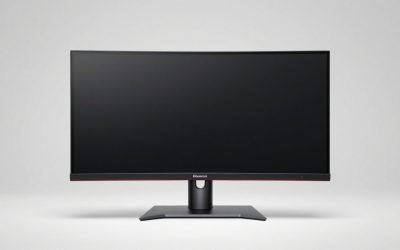
 Samsung 27" Essential S3
- Aspect Ratio: 16:9
- Screen Finish: Curved
- Contrast Ratio: 3,000:1
Curved screen widens the field of view for immersion
100Hz refresh rate reduces lag in fast-paced scenes
TÜV-certified eye comfort reduces blue light and flicker
Only HDMI and D-sub ports are available for connections
Brightness is rated at 250 cd/m2, a modest level

As an Amazon Associate we earn from qualifying purchases at no extra cost to you.
By Daniel Foster
Top Color-Accurate Screens for Designers
These seven panels prioritize gamut coverage, low Delta E accuracy and calibration over gaming speed. Each entry names an honest trade-off, since a hardware-calibrated pro display and a solid prosumer panel serve very different budgets. Amazon pricing moves often, so check the live listing first.
| Model | Size / Res | Gamut focus | Standout | Tier |
|---|---|---|---|---|
| ASUS ProArt PA279CRV | 27″ / 4K | ~99% DCI-P3 | Calibrated value | Mid-premium |
| BenQ PD2725U | 27″ / 4K | DCI-P3 + sRGB | AQCOLOR + KVM | Premium |
| Dell UltraSharp U2723QE | 27″ / 4K | ~98% DCI-P3 | IPS Black + hub | Premium |
| Eizo ColorEdge CS2740 | 27″ / 4K | ~99% AdobeRGB | Hardware calibration | Reference |
| BenQ SW271C | 27″ / 4K | ~99% AdobeRGB | Photo/print color | Premium |
| Apple Studio Display | 27″ / 5K | P3 wide | 5K sharpness | Premium |
| ASUS ProArt PA32UCG | 32″ / 4K | ~97% DCI-P3 | Mini-LED reference | Reference |
ASUS ProArt PA279CRV
This 27-inch 4K panel covers around 99% DCI-P3 with factory calibration and low Delta E, making it a superb value monitor for graphic design. USB-C connectivity docks a laptop over one cable, and calibration tools help keep color accurate for both screen and print work.
Its build is functional rather than luxurious and HDR is entry-level. For designers who need trustworthy wide-gamut color and accuracy without a reference-display budget, though, it is one of the best-balanced screens you can put on a working desk today.
BenQ PD2725U
The PD2725U is a 27-inch 4K designer panel with BenQ’s AQCOLOR calibration, Thunderbolt and a built-in KVM. It covers wide DCI-P3 and sRGB with strong accuracy, and dedicated color modes let you switch between design spaces quickly during a project.
It is a 60Hz professional screen and Thunderbolt raises the price. For a designer on a two-machine desk who values accurate color, quick space switching and clean single-cable connectivity, though, it is a polished and productive choice for daily work.
Dell UltraSharp U2723QE
This 27-inch 4K IPS Black panel pairs roughly 98% DCI-P3 coverage with strong factory accuracy and a 90W USB-C hub. Deeper contrast than standard IPS helps judge dark tones, and single-cable docking keeps a designer’s desk tidy while feeding peripherals over the hub.
It is not a hardware-calibrated reference display, so the most demanding print work may want an Eizo or BenQ pro panel. For accurate everyday design across screen and web, though, it delivers professional results at a relatively accessible premium price.
Eizo ColorEdge CS2740
The ColorEdge CS2740 is a 27-inch 4K professional display covering around 99% AdobeRGB with built-in hardware calibration. Designed for print and photo work, it holds color accuracy over time and lets you re-profile the panel directly, which is vital for reliable, repeatable results.
It is a reference-tier purchase priced well above prosumer panels, and it is aimed at professionals rather than casual users. For print-focused designers who need AdobeRGB coverage and hardware calibration, though, it is among the most trustworthy screens available.
BenQ SW271C
The SW271C is a 27-inch 4K panel built for photographers and print designers, covering roughly 99% AdobeRGB with strong accuracy and a shading hood option. AdobeRGB coverage matters for print workflows, and hardware calibration support keeps color dependable across projects.
It is a premium display and its strengths lean toward photo and print rather than video. For a designer whose output ends up on paper and who needs wide AdobeRGB with reliable calibration, though, it is a specialist tool that earns its price.
Apple Studio Display
The 27-inch 5K Studio Display offers outstanding sharpness and wide P3 color, popular in Mac-based design studios. The extra resolution over 4K keeps fine type and vector detail crisp, and the clean build suits a minimal, professional creative desk.
It lacks AdobeRGB coverage and hardware calibration for the most demanding print work, and the base stand is limited. For screen and web-focused designers on a Mac who prize 5K sharpness and P3 color, though, it remains a compelling and polished option.
ASUS ProArt PA32UCG
The PA32UCG is a 32-inch 4K mini-LED reference panel with hardware calibration and very high brightness, built for the most demanding color work. Extensive local dimming and wide gamut coverage target professionals who must trust the image for high-end design and HDR.
It is a reference-tier purchase priced far above the other screens here, so it is overkill for most desks. For studios that need a mastering-grade display with reference color and brightness, though, it is one of the most capable panels a designer can own.
How to Choose a Monitor for Graphic Design
The right design screen shows color you can trust on screen and in print. Work through the criteria below, starting with the numbers that define accuracy, so your monitor for graphic design suits your output and budget rather than a generic spec sheet aimed at gamers.
The decision numbers: gamut, accuracy and calibration
For a monitor for graphic design, gamut coverage and color accuracy come first. Aim for high sRGB coverage for web work and wide AdobeRGB or DCI-P3 for print and rich color, then check Delta E accuracy, ideally below two, so the color you see is dependable.
Calibration keeps that color honest over time. A factory calibration report helps out of the box, while hardware calibration lets you re-profile the panel as it ages, which is essential for print work where a consistent, repeatable image matters across every project.
Choose an IPS or IPS Black panel for accurate color and wide viewing angles. Contrast matters less than accuracy for design, so prioritize gamut and Delta E over the deep blacks a gaming panel offers, and treat refresh rate as a low priority throughout.
Space and fit: canvas size and mounting
Match the panel size to your desk depth and workflow. A 27-inch 4K or 5K screen suits most design desks with crisp detail, while 32 inches gives more canvas for complex layouts but needs more depth to sit at a comfortable viewing distance without crowding.
Consider resolution alongside size for sharp type. 4K at 27 inches keeps vectors and small text crisp, and 5K adds further sharpness, so pick a pixel density that keeps fine design detail clean at the distance you actually sit from the screen each day.
Use a monitor arm to position the panel precisely and free desk space. Setting the screen at eye level and an even distance improves color judgment and comfort, so confirm the VESA pattern and weight rating before choosing a large or reference-grade panel.
Connectivity and workflow
Ports shape a creative desk. USB-C and Thunderbolt dock a laptop over one cable, drive the display and connect peripherals, while a built-in KVM lets one keyboard and mouse serve two machines, which suits designers who run a work and a personal computer.
Dedicated color modes and a hood can help too. Quick switching between sRGB, AdobeRGB and P3 spaces speeds up mixed projects, and a shading hood reduces glare for critical color judgment, especially in a bright studio where light shifts across the day.
Output, value and timing
Buy for your output rather than the highest spec. Screen and web designers gain most from accurate sRGB and P3, while print professionals need AdobeRGB and hardware calibration, so match the panel to where your work ends up to avoid overspending or underbuying.
Timing helps the budget. Creator monitors drop most around Prime Day in late June, Black Friday in November and the back-to-school window, so a little patience can move you into a wider-gamut or hardware-calibrated panel for the same overall spend.
Frequently Asked Questions
Here are quick answers to the questions designers ask most when choosing a color-accurate screen, so you can pick with confidence.
Do I need AdobeRGB or is sRGB enough?
It depends on your output. sRGB coverage is enough for web and screen design, while print work benefits from wide AdobeRGB to match richer printed colors. If your work ends up on paper, prioritize AdobeRGB coverage; if it stays on screen, accurate sRGB is fine.
What Delta E accuracy should I look for?
Aim for an average Delta E below two, where color differences become hard to perceive. Many creator panels advertise this out of the box with a calibration report, so look for that figure and a report to know the color is accurate before you rely on it.
Is hardware calibration worth it?
For professional print work, yes. Hardware calibration lets you re-profile the panel directly as it ages, keeping color consistent across projects. Casual and web-focused designers can rely on factory calibration, but print professionals benefit from re-profiling over time.
Is 4K or 5K better for design?
4K at 27 inches keeps type and vectors crisp and is the practical standard. 5K adds extra sharpness that some designers prefer, especially on a Mac, but it is not essential, so accurate wide-gamut color matters more than the jump from 4K to 5K.
See More:
- Best eyeshadow blender brush
- Best frozen foods for air fryer
- Best frozen food for air fryer
- Best way to reheat steak in air fryer
- Best air fryer recipes book
Final Thoughts on the Best Monitor for Graphic Design
The best monitor for graphic design is the one whose gamut, Delta E accuracy and calibration let you trust color on screen and in print. Aim for high sRGB and wide AdobeRGB or DCI-P3 on an accurate IPS panel, and step up to hardware calibration for serious print work. Match the screen to your output, time the buy around a major sale, and the right monitor for graphic design will keep your color reliable from screen to page.