
Best mattress in a box shopping means buying a bed you cannot lie on first, which sounds worse than it is. Compression shipping made long home trials standard, and the trial length plus the return process now matter as much as the specification of the bed itself.
As an Amazon Associate we earn from qualifying purchases.
Our top picks

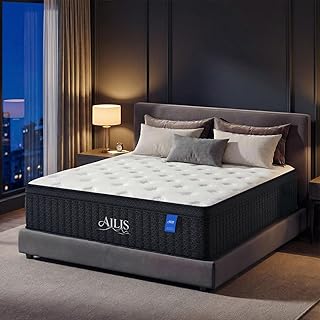


As an Amazon Associate we earn from qualifying purchases at no extra cost to you.
By Daniel Foster
🛒 Best Price Today on Amazon
Prime members get fast, free shipping on everything above, plus member-only deals. New members get a 30-day free trial — cancel anytime.
Start 30-Day Prime Free Trial →See Today’s Amazon DealsHow the Best Mattress in a Box Actually Reaches You
The best mattress in a box changed the market more than any material innovation did. Understanding what happens inside the box, and what the process does and does not affect, removes most of the anxiety around buying a bed without testing it in a showroom.
Compression, Expansion Time and Firmness
Beds are compressed, rolled and vacuum sealed, then take 24-72 hours to reach full loft once unwrapped. During that window the bed feels firmer and denser than it will settle at, so judging comfort on the first night gives a misleading impression. Cold rooms slow expansion further, so allow an extra day in winter.
Firmness is rated 1-10, with most boxed beds between 5 and 7. Side sleepers generally want 4-6, back sleepers 5-7 and stomach sleepers 6-8, adjusted one step firmer for body weight above 230 lb (104 kg) since heavier bodies compress every layer further. Two people also compress a bed more than one, which shifts the effective firmness down.
Space and Fit: Getting the Box Into the Room
A compressed Queen weighs roughly 70-90 lb (32-41 kg) and a King more, so plan for two people or a trolley. Measure the doorway, the stairwell turn and the room itself, because the box goes in far more easily than a fully expanded mattress comes out.
Unbox in the room where the bed will live, and cut the plastic on the bed frame rather than on the floor. US sizes are Twin 38 x 75 in (97 x 191 cm), Queen 60 x 80 in (152 x 203 cm) and King 76 x 80 in (193 x 203 cm). Check the lift into the room as well, since these boxes are dense rather than bulky.
Foam, Hybrid or Latex in a Box
All-foam beds compress best and are the lightest to handle, which is why they dominated the early boxed market. Hybrids with pocketed coils now compress successfully too, and they add airflow and edge strength that pure foam constructions struggle to match.
Latex hybrids are the heaviest and least common in a box, since latex resists compression. Whatever the material, off-gassing clears within 24-72 hours with the room ventilated, and CertiPUR-US certification covers foam content and emissions on the majority of these products. Ventilate rather than sealing the room, since airflow is what clears the smell.
Trials, Returns and Warranty Terms
Trials run 100-365 nights, with most brands requiring a 21-30 night break-in before a return is accepted. That requirement is reasonable rather than obstructive, since bodies adapt to a new pressure distribution over several weeks rather than a single night. That is why the return process matters as much as the bed itself when comparing any best mattress in a box.
Check how returns are handled: some brands arrange collection or donation, others expect you to organise it. Warranties commonly run 10 years with a defined sag threshold around 0.75-1.5 in, and most exclude damage caused by an unsuitable bed frame. Photograph the frame and slat spacing before delivery as a simple record.
Top Picks: Six Boxed Beds Worth Considering
The list spans foam and hybrid constructions across the price range, with a genuine drawback listed for each. Specifications come from manufacturer documentation and aggregated long-term owner reports rather than testing of our own, and pricing should be checked at the time of purchase. Which best mattress in a box suits you comes down to firmness, temperature and the trial terms.
| Model | Type | Profile | Firmness (1-10) | Best suited to |
|---|---|---|---|---|
| Casper Original Hybrid | Hybrid | 11 in / 28 cm | 6 | Combination sleepers |
| Leesa Original | All-foam | 10 in / 25 cm | 6 | Motion isolation |
| Purple Original | Grid over foam | 9.25 in / 23 cm | 6 | Hot sleepers |
| Siena Memory Foam | All-foam | 10 in / 25 cm | 6-7 | Budget main beds |
| Allswell Hybrid | Hybrid | 10 in / 25 cm | 6-7 | Firmer coil feel on a budget |
| Molblly Memory Foam | All-foam | 12 in / 30 cm | 5-6 | Plusher surface preference |
Casper Original Hybrid – Zoned Foam Over Coils
Zoned support places firmer foam under the hips and softer foam at the shoulders, over a pocketed coil unit. That combination suits combination sleepers who change position through the night, since the surface responds faster than a deep memory foam stack does.
Edge support is adequate rather than strong for a hybrid at this price. The 11 in profile is also on the thinner side for heavier sleepers, who will reach the coil unit sooner than the firmness rating suggests they should.
Leesa Original – Foam With Fast Response
A 10 in all-foam build with a responsive top layer over memory foam and a dense base, which absorbs partner movement well without the fully enveloped feel of traditional memory foam. It is one of the easier boxed beds to handle during setup.
Ten inches is thin for anyone above roughly 230 lb (104 kg), who will compress it close to the base. Edge support is limited, which reduces the usable sleeping surface for couples sharing a Queen.
Purple Original – Grid Instead of Foam on Top
An elastic polymer grid over foam that buckles under pressure points and stays supportive elsewhere, with airflow through the grid channels that no foam layer matches. For a hot sleeper on a boxed bed, this construction addresses temperature structurally.
The grid feel is genuinely unusual and not universally liked, so the trial period matters more here than on a conventional bed. At 9.25 in it is the thinnest option listed, and it is heavy for its size, which complicates setup. Two people make the unboxing straightforward rather than a struggle.
Siena Memory Foam – Cheapest Sensible Option
A 10 in memory foam bed at the budget end with a 180-night trial, which is unusually generous at this price. For a spare room, a first apartment or a temporary situation, the trial alone makes it a low-risk purchase.
Comfort foam density is modest, so impressions form faster than on mid-tier beds, particularly under heavier sleepers. It also sleeps warmer than the hybrid options, since there is no coil unit moving air beneath the foam.
Allswell Hybrid – Firmer Coils at a Low Price
A 10 in hybrid with a firmer feel than most budget boxed beds, which suits back and stomach sleepers who dislike sinking. Coils also give it better airflow and edge behaviour than an all-foam bed at similar money.
The comfort layer is thin, so side sleepers may feel pressure at the shoulder within an hour. Coil gauge is at the lighter end, meaning it is not the choice for a heavier sleeper despite the coil construction.
Molblly Memory Foam – Plusher and Thicker
Twelve inches of memory foam with a softer surface, aimed at sleepers who find most boxed beds too firm. The additional profile gives the soft top layer enough base underneath it to avoid bottoming out at normal body weights.
Softer surfaces show impressions sooner, and the density here is mid-range rather than premium. Trial and warranty support from smaller brands is less predictable than from the established names, which is worth weighing against the price difference. Established brands are also easier to reach when a claim is needed years later.
Unboxing, Break-In and Returns
Most problems with boxed beds happen in the first week, and almost all of them are procedural. A best mattress in a box is judged fairly only once it has fully expanded. Handling the delivery and the break-in properly is what makes the trial period useful rather than something you sleep through and forget.
Unboxing Without Damage
Carry the box to the bedroom before opening it, position it on the frame, then cut the outer plastic. Cutting the inner vacuum layer releases the expansion, so use a shallow blade and cut along the top rather than the side to avoid nicking the foam.
Allow 24-72 hours before making a judgement, and longer in a cold room where foam stiffens. Ventilate during that time; the smell is normal and clears, and a bed that still looks uneven after three days is a defect rather than a settling issue.
Using the Trial Period Properly
Sleep on it for the full required break-in before deciding, since the first week reflects your old bed as much as the new one. Note the trial start date, because it usually runs from delivery rather than from when you first sleep on it.
Use a protector from night one. Most brands void a return if the mattress is stained, and a protector costs a fraction of the bed while keeping both the trial and the warranty intact throughout the period.
Frames, Support and Warranty Compliance
Slats must sit no more than about 3 in (7.6 cm) apart, and Queen and King sizes need a centre support leg reaching the floor. Improper support is the most common warranty exclusion, and it is checked when a claim is made. Keeping the receipt and the law tag covers the rest of the requirements.
Mattress prices track the federal holiday sale calendar rather than the electronics cycle, so Presidents Day, Memorial Day and Labor Day are the windows where boxed beds are genuinely discounted rather than nominally reduced from an inflated list price. Outside those windows the same beds sit at broadly stable prices.
See More:
- Best low price dash cam
- Projector screens at Best Buy
- Best buy projector screens
- Best projector for games
- Best projector for gaming
Final Thoughts on the Best Mattress in a Box
Choose the firmness from your sleeping position and body weight, choose foam or hybrid based on temperature and edge needs, then weigh the trial length and return process as seriously as the specification. The trial is what replaces the showroom.
The best mattress in a box for most people is a hybrid with a long trial and a straightforward return policy. Measure your doorway and check the frame before ordering, and confirm current pricing and trial terms on the listing at the time of purchase.


Write Your Review
No reviews yet. Be the first to share your experience!