
Key takeaways
What's inside
Best wireless camera security system comparisons usually lead with resolution, which is the least important specification on the page. What decides whether you are happy in two years is how the cameras are powered, where footage is stored, and what the subscription costs after the trial expires.
As an Amazon Associate we earn from qualifying purchases.
By Daniel Foster
Specifications come from manufacturer documentation and long-term owner feedback rather than lab testing. Subscription terms change frequently, so check current plan details before buying rather than relying on any figure quoted anywhere.
🛒 Best Price Today on Amazon
Prime members get fast, free shipping on everything above, plus member-only deals. New members get a 30-day free trial — cancel anytime.
Start 30-Day Prime Free Trial →See Today’s Amazon DealsPower, Storage and Fees Before Anything Else
Any best wireless camera security system decision reduces to three questions that have nothing to do with picture quality. Four specifications answer them.
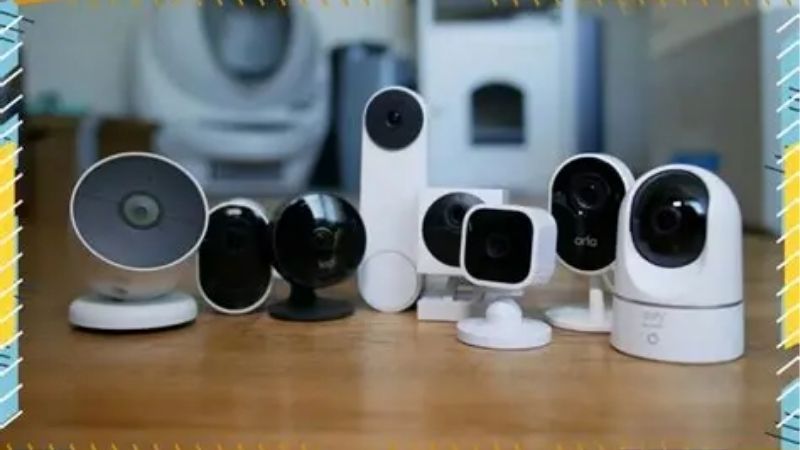
Power Source, Storage Type and Subscription Cost
These three are the decisive numbers in any best wireless camera security system comparison, and they should be settled before you look at a single specification sheet. Power means fully wired, battery, or battery with a solar panel. Storage means local, on a microSD card or a base station hub, or cloud. Subscription means a recurring monthly cost, per camera or per household.
The trap is buying cheap hardware that only becomes useful with a paid plan. Ask directly what the camera does with no subscription: some record locally and lose nothing, others reduce to live view only, which means a motion event you missed is gone permanently.
Resolution, Field of View and Night Vision
Picture specifications come second, not first. Resolution runs from 1080p through 2K to 4K, and higher numbers mean more detail but larger files and shorter battery life. For identifying a face at a front door, 2K is a meaningful step up from 1080p; beyond that the gains are modest at typical distances.
Field of view between 120 and 160 degrees covers a driveway or garden without excessive distortion. Night vision comes as infrared, which produces monochrome images at 20 to 30 ft (6 to 9 m), or colour night vision using a spotlight, which is more useful for identification but announces the camera’s presence.
Mounting Positions, Wi-Fi Reach and Weatherproofing
Cameras need a mounting point 8 to 10 ft (2.4 to 3 m) high, angled down, with the target area within about 25 ft (7.6 m) for reliable detection. Check the Wi-Fi signal at that exact spot before drilling, since most battery cameras use 2.4 GHz and struggle through masonry.
Outdoor units need an IP rating, typically IP65 or better, and a solar panel needs several hours of direct light daily to keep a battery topped up. Measure the distance from the camera position to the router, and confirm what tools the mount requires before ordering.
Detection Accuracy and Alert Fatigue
Motion detection based only on pixel change generates alerts for cats, headlights and moving branches. Person, vehicle and package detection filter that down, and on some systems those categories sit behind the subscription rather than in the camera.
Activity zones matter as much as detection type, since excluding a pavement or a neighbouring drive removes most nuisance alerts. A system that floods your phone gets muted within a fortnight, at which point it has stopped being a security system at all.
Six Systems Compared on Fees and Storage
The best wireless camera security system for a household that hates recurring bills looks nothing like one chosen for app convenience, so these cover local storage, hub-based storage and cloud-first designs. Each entry lists a genuine drawback.
| System | Power | Storage | Subscription |
|---|---|---|---|
| eufyCam S3 Pro | Battery with solar | Local via HomeBase | Optional |
| Reolink Argus 4 Pro | Battery with solar | Local microSD | Optional |
| Arlo Pro 5S 2K | Battery | Cloud focused | Effectively needed |
| Ring Stick Up Cam Pro | Battery or wired | Cloud | Needed for recordings |
| Blink Outdoor 4 | Battery | Local via Sync Module or cloud | Optional with module |
| Wyze Cam v4 | Wired | Local microSD or cloud | Optional |
eufyCam S3 Pro: Local Storage, No Monthly Fee
Records to a HomeBase hub kept inside the house rather than to a cloud service, with battery cameras that can be topped up by integrated solar. Person and vehicle detection run on the hub, so those features do not disappear without a plan.
The upfront cost is high because you are buying the hub and the cameras together. Footage lives in your home, which means a stolen hub is a real risk, so placement matters and off-site backup is worth configuring if the system supports it.
Reolink Argus 4 Pro: microSD in the Camera
Stores recordings on a microSD card inside each camera, with a wide field of view, colour night vision and an optional solar panel. There is no mandatory subscription and no hub, which keeps the entry cost and the running cost low.
Per-camera storage means retrieving footage requires the app or physically reaching the camera, and a stolen camera takes its evidence with it. Cards also fail over time, particularly in units exposed to summer heat, so they should be treated as consumables.
Arlo Pro 5S 2K: Strong Hardware, Real Ongoing Cost
2K recording with colour night vision, a wide field of view and reliable detection, in a well-built weatherproof body. The app is among the most polished in this category and the hardware itself is a step above budget systems.
Without a plan the cameras are largely live view only, so the subscription is effectively part of the purchase and scales with camera count. Battery life also falls noticeably in busy locations, since higher resolution and frequent events drain it faster.
Ring Stick Up Cam Pro: Ecosystem and Cloud Recording
Works indoors or out, on battery or wired, and integrates tightly with a doorbell and alarm system if you already own one. Radar-assisted motion detection reduces false alerts compared with earlier models.
Recordings live in the cloud and require a plan; without one you get live view and notifications only. Ownership and data handling in cloud-first systems have drawn scrutiny generally, so anyone prioritising privacy should weigh a local-storage system instead.
Blink Outdoor 4: Cheapest Way to Cover Several Spots
Long battery life from AA lithium cells, a simple app and the option to store clips locally on a USB drive attached to a Sync Module, which avoids a subscription. For covering four corners of a property cheaply, it is hard to beat on price.
Image quality and detection accuracy sit below the premium systems, and local storage needs the module plus a drive. Battery claims assume modest activity; a camera facing a busy street will need cells far sooner than the marketing suggests.
Wyze Cam v4: Wired, Cheap, Local Option
A mains-powered camera with 2K recording, colour night vision and microSD storage, at the lowest price here. For a porch, a garage or a driveway with a socket nearby, it delivers most of the function for a fraction of the outlay.
It needs a permanent power source, which limits placement, and cloud features require a plan. The brand has also had documented security incidents in the past, which is a fair reason for some households to choose a different system.
Installation, Reliability and Ongoing Costs
Installing the best wireless camera security system is the easy part. Three ownership realities decide whether it still works well after the first year, and all three surprise people.
Battery Life in the Real World
Manufacturer battery claims assume a handful of events per day. A camera watching a pavement records constantly and can need charging monthly rather than twice a year. Cold weather cuts capacity further, so winter is when owners discover their placement was too busy.
Solar panels help if they receive several hours of direct light, which a north-facing wall will not provide. Tightening activity zones and detection sensitivity extends battery life more than any accessory, and reduces nuisance alerts at the same time.
Wi-Fi, Hubs and What Happens Offline
Most battery cameras use 2.4 GHz Wi-Fi, which reaches further through walls but is more congested. A camera at the end of a garden frequently needs a mesh node rather than a better camera, and dropouts are the most common complaint in owner reviews.
Ask what the system does during an internet outage. Local-storage systems keep recording; cloud-first systems generally do not, which matters because losing connectivity is exactly what happens when someone cuts a line or the power fails.
Subscription Creep and Buying Timing
Plans are usually priced per camera or per household, and the household tier becomes cheaper once you pass two or three cameras. Trials expire quietly, so calendar the date and decide deliberately rather than discovering a charge months later.
Interest in home cameras climbs into the parcel delivery season and the holiday travel period, which overlaps the Amazon deal event in early October and the Black Friday to Cyber Monday window in late November. Bundles are common then, though prices move constantly and should be checked at purchase.
Frequently Asked Questions
Three questions come up in nearly every message from readers pricing up a best wireless camera security system for a house or a flat.
Do I need a subscription?
Only with cloud-first systems. Local storage systems record to a hub or microSD card and keep detection features without a plan. Confirm exactly what stops working without one before buying, because that answer differs sharply between brands.
Is 4K worth it?
Rarely on battery cameras. Higher resolution drains batteries faster and consumes more bandwidth, and at typical mounting distances 2K already resolves faces and plates. Spend the difference on better placement or a wired camera instead.
Are wireless cameras really wire-free?
Battery models have no data cable but still need periodic charging or a solar panel, and hubs and base stations need mains power. Fully wire-free operation over years is rare; plan for a charging routine or run power to the important positions.
See More:
- K cup coffee maker best
- Best coffee pour over maker
- Best k cups coffee maker
- Best mattress in Amazon
- Best cooling mattress pad
Final Thoughts on Choosing a Camera System
The best wireless camera security system for a household that dislikes recurring costs is a local storage system with a hub or microSD cards. For anyone who values app polish and easy sharing, a cloud system is reasonable as long as the fee is treated as part of the price.
Check the Wi-Fi signal at each mounting point and measure the distance to the router before drilling anything. Whichever best wireless camera security system you choose, set activity zones carefully on day one, because a system you have muted protects nothing.







Write Your Review
No reviews yet. Be the first to share your experience!