
Best iced coffee maker shopping comes down to three questions: how the machine chills the coffee, how much it makes per cycle, and how much counter space it occupies. This roundup compares seven brewers by capacity, brew time, dilution control and footprint so you can match one to your kitchen and your actual morning routine.
As an Amazon Associate we earn from qualifying purchases.
By Daniel Foster
🛒 Best Price Today on Amazon
Prime members get fast, free shipping on everything above, plus member-only deals. New members get a 30-day free trial — cancel anytime.
How to Choose the Best Iced Coffee Maker for Your Kitchen
Cold coffee is made two ways: brewed hot and crashed over ice, or steeped cold for hours. That single choice drives brew time, flavor and how much hardware you need, so settle it before comparing brand names or feature lists. Every best iced coffee maker shortlist gets shorter once you commit to one of the two.
Brew Method, Capacity and Footprint: The Deciding Numbers
Three numbers decide this category: brew type (over-ice drip, rapid cold brew, or slow immersion), batch capacity in cups or ounces, and the counter footprint in inches. A 1.7 L (7-cup) pitcher brewer and a 12 oz single-serve unit solve completely different problems, even at similar prices.
Immersion steeping runs 12 to 24 hours at fridge temperature and yields a concentrate you dilute 1:1 or 1:2. Machines marketed as rapid cold brew agitate or cycle water to finish in 10 to 45 minutes. Over-ice drip brews hot at roughly 195 to 205 degrees F (90 to 96 C) straight onto ice.
Measure the intended spot before ordering. Pitcher-style brewers often need 12 to 15 in (30 to 38 cm) of height, and several models must fit a standard fridge shelf afterward, which is a second dimension people forget to check.
Space and Fit: Counter, Fridge Shelf and Storage
An iced brewer has to fit twice. It needs counter clearance while brewing, and interior fridge clearance while the concentrate rests. Tall carafes that clear a coffee bar cabinet by an inch can still fail against a fridge shelf spaced at 10 in (25 cm).
Multi-function machines that brew hot and cold in one body save a socket but usually take a wider base, often 10 to 12 in (25 to 30 cm) across plus rear clearance for the reservoir lid. Single-purpose steepers store flat in a cupboard when summer ends.
Dilution and Strength Control
Ice melt is the main flavor variable. Machines with an over-ice setting compensate by brewing a smaller, more concentrated volume, while concentrate systems let you set the ratio in the glass. Both work; the difference is whether the recipe lives in the machine or in your hands.
Look for adjustable strength, a bloom or pre-infusion step, and a permanent metal filter versus paper. Metal mesh passes more oils and gives a heavier body, which many people prefer cold. Paper produces a cleaner cup and less sediment at the bottom of the pitcher.
Running Costs and Cleaning Load
Filters, gaskets and carafes are the recurring costs here. Reusable mesh baskets cost nothing after purchase but need scrubbing; cloth filters on classic steepers should be rinsed and stored wet in the fridge to avoid souring, then replaced periodically.
Cold brew leaves oily residue that dulls flavor within a few weeks if ignored. Budget one deep clean per month with warm soapy water, plus descaling on any unit with a heating element, and check whether the carafe and basket are dishwasher safe before buying.
Best Iced Coffee Maker Top Picks: Seven Machines Compared
The list below mixes electric brewers, manual steepers and one pod machine with a dedicated iced setting. Specifications are manufacturer-stated and combined with patterns from long-term owner feedback rather than lab testing on our part.
Ninja CP307 Hot and Cold Brewed System
The most flexible option here: it brews hot coffee, tea and a rapid cold brew cycle that finishes in roughly 10 to 15 minutes, with six brew sizes from a single cup up to a 10-cup (50 oz / 1.5 L) carafe. A built-in frother handles milk drinks.
The trade-off is bulk. At roughly 15 in (38 cm) tall and 12 in (30 cm) wide with a separate reservoir, it dominates a small counter, and there are more removable parts to wash than any other model on this list.
Cuisinart DCB-10 Automatic Cold Brew Coffeemaker
A dedicated cold brew machine with a 1.7 L (7-cup) glass carafe and a spin-agitation cycle offering roughly 25, 35 or 45 minute extraction levels. It is the fastest path to a full pitcher without waiting overnight.
Downsides: it does nothing hot, the carafe is glass and unforgiving of knocks, and the shortest cycle can taste thin with coarse grinds. Grind slightly finer than you would for overnight steeping to compensate.
Toddy Cold Brew System
The classic immersion setup, steeping about 12 hours and yielding roughly 1.36 L (46 oz) of concentrate that keeps for up to two weeks refrigerated. It uses a felt filter and a glass decanter, and produces a notably low-acid cup.
It is slow and has no electronics, so nothing breaks, but the felt filters need rinsing and cold storage between uses and eventually need replacing. Plan the brew a day ahead or you simply have no coffee.
Takeya Patented Deluxe Cold Brew Maker
A 2 qt (1.9 L) airtight pitcher with a fine mesh inner basket, built to steep and serve from the same vessel. The seal is genuinely leak-resistant, so it can rest on its side on a crowded fridge shelf.
The plastic body will not satisfy anyone who wants glass, and the mesh lets through more fines than a paper or cloth filter. Filtering the concentrate once through a paper cone before storage fixes most of that sediment.
OXO Brew Compact Cold Brew Maker
Built for small kitchens, producing about 12 oz (355 mL) of concentrate per batch, enough for two to three glasses when diluted. Its rainmaker top plate wets grounds evenly, which improves consistency at this small scale.
Yield is the limitation. Households drinking cold coffee daily will run it twice as often as a pitcher system, and the narrow reservoir is fiddly to clean without a bottle brush.
Hario Mizudashi Cold Brew Pot
Heat-resistant glass, a fine mesh strainer and a 1,000 mL (34 oz) capacity in a slim body designed to slot into a fridge door. It is the least expensive way to get genuinely good cold coffee.
Glass means it can break, and there is no agitation, so grind size and steep time do all the work. Expect 8 to 14 hours for a balanced result with a coarse grind.
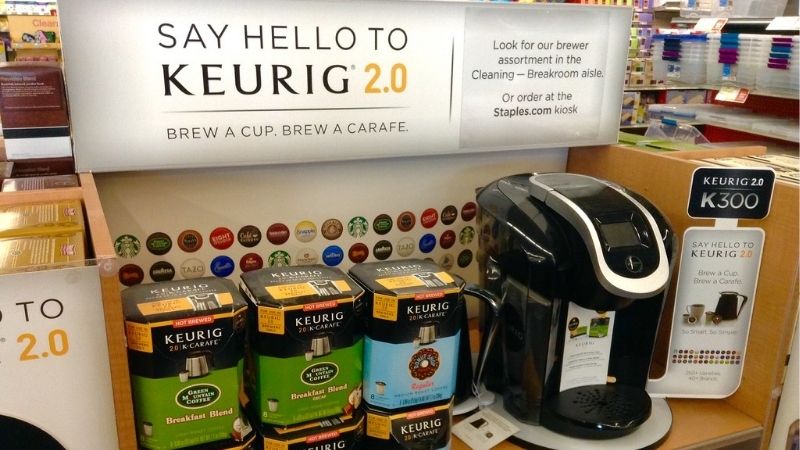
Keurig K-Elite With Iced Setting
For single-serve households, the iced button brews a smaller, stronger shot designed to land on a full glass of ice, with a 75 oz (2.2 L) reservoir and cup sizes from 4 to 12 oz. Nothing else here is faster from cold start to drink.
The catch is ongoing pod cost and dilution: the result is diluted brewed coffee rather than true cold brew, and it is noticeably brighter and more acidic. A reusable filter cuts pod spending if the model supports one.
| Model | Method | Batch size | Time to drink | Main trade-off |
|---|---|---|---|---|
| Ninja CP307 | Hot + rapid cold | 1 cup to 50 oz / 1.5 L | 10-15 min | Large footprint |
| Cuisinart DCB-10 | Rapid cold brew | 1.7 L / 7 cups | 25-45 min | Cold only, glass carafe |
| Toddy System | Immersion | ~1.36 L concentrate | ~12 hrs | Filter upkeep |
| Takeya Deluxe | Immersion | 1.9 L / 2 qt | 8-24 hrs | Plastic, some fines |
| OXO Compact | Immersion | 355 mL concentrate | 12-24 hrs | Small yield |
| Hario Mizudashi | Immersion | 1,000 mL | 8-14 hrs | Fragile glass |
| Keurig K-Elite | Over-ice single serve | 4-12 oz per cup | Under 1 min | Pod cost, dilution |
Prices move constantly on Amazon for every best iced coffee maker listed above, so check the current listing at the moment of purchase rather than relying on any figure quoted in a review.
Durability, Upkeep and When to Buy
A best iced coffee maker earns its keep over years, so it helps to know that cold coffee gear fails in predictable ways and that the calendar affects what you pay. Both are worth a minute before you commit to a machine you will run every morning from May through September.
Known Failure Points Over 6 to 12 Months
Electric brewers with heating elements accumulate calcium scale, which slows brew cycles and shifts temperature out of the 195 to 205 degrees F band. Descale every one to three months depending on water hardness, and expect pump noise to increase as an early warning sign.
On steepers, the recurring complaint after several months is a stale, musty note traced to filters or gaskets rather than the beans. Mesh baskets that are only rinsed, never scrubbed, hold oils that go rancid. Silicone lid seals also stiffen and eventually stop sealing.
Buying Timing Across the Rest of the Year
Iced coffee equipment sells hardest through the hot months, so late-summer stock is picked over on popular models. Amazon runs Prime Big Deal Days in early October, and Black Friday and Cyber Monday in late November are the deeper discount window for kitchen electrics.
If you need a machine now, buy the one that fits your space rather than waiting; if you can wait, those two events are when small appliances typically see the widest selection. No one can promise a specific percentage off, and stock varies by model.
What These Machines Will Not Do
None of them make coffee taste better than the beans allow, and no cold brewer removes the need for a decent grinder. Pre-ground supermarket coffee is usually too fine for immersion and produces a muddy, over-extracted concentrate.
Cold brew is also not automatically low-caffeine. Concentrate is stronger than drip by volume, so dilute it before judging strength, and remember that a machine with a heating element still needs the same descaling discipline as a hot drip brewer.
Frequently Asked Questions
A few questions come up repeatedly when people move from bagged iced coffee to brewing at home.
How long does cold brew concentrate keep?
Filtered concentrate stored airtight in the fridge generally stays good for one to two weeks, with flavor best in the first week. Diluted coffee degrades faster, so mix by the glass rather than pre-diluting a whole pitcher.
What grind size should I use?
Coarse, similar to what you would use for a French press. Fine grinds clog mesh filters, push sediment into the cup and over-extract during a long steep, which is the most common cause of bitter homemade cold brew.
Is a dedicated machine better than a pitcher?
Only if speed matters to you. The best iced coffee maker for a patient drinker is often a simple pitcher. A powered brewer buys back hours; a pitcher buys back counter space and money. Flavor differences between a good pitcher and a mid-range machine are smaller than differences between beans.
Can I use the same coffee I brew hot?
Yes, though medium and medium-dark roasts tend to read sweeter cold, while light roasts can taste sour without a longer steep. Adjust steep time before you switch beans.
See More:
- Best low price dash cam
- Projector screens at Best Buy
- Best buy projector screens
- Best projector for games
- Best projector for gaming
The Verdict on Choosing an Iced Coffee Maker
The best iced coffee maker for you is decided by three measurements taken before you shop: how many ounces you drink per day, how many minutes you are willing to wait, and how many inches of counter and fridge shelf you can actually give up.
Fast households with room to spare are well served by the Ninja CP307 or Cuisinart DCB-10. Small kitchens and patient drinkers get equal flavor from the Hario or Takeya for a fraction of the outlay. Measure your space, match the batch size to your habit, and the rest is just beans and ice.
Our top picks


As an Amazon Associate we earn from qualifying purchases at no extra cost to you.
Write Your Review
No reviews yet. Be the first to share your experience!