
Key takeaways
Best cold brew drip coffee maker shopping splits into two methods that produce genuinely different coffee: slow drip towers that pass cold water through grounds over hours, and immersion brewers that steep everything at once. This guide compares both on time, yield and space.
As an Amazon Associate we earn from qualifying purchases.
Our top picks


As an Amazon Associate we earn from qualifying purchases at no extra cost to you. Ratings are shown as listed on Amazon.
By Daniel Foster
Specifications come from manufacturer documentation and long-term owner feedback rather than lab testing. Prices move constantly, so options are described as budget, mid-range or premium.
🛒 Best Price Today on Amazon
Prime members get fast, free shipping on everything above, plus member-only deals. New members get a 30-day free trial — cancel anytime.
Start 30-Day Prime Free Trial →See Today’s Amazon DealsSlow Drip and Immersion Are Not the Same Drink
Both methods brew without heat, and that is where the similarity ends. Choosing the best cold brew drip coffee maker means choosing between two drinks as much as two devices, and four factors decide which suits your kitchen.
Brew Method, Yield and Brew Time
These are the decisive numbers for any best cold brew drip coffee maker comparison. Immersion brewers steep grounds in cold water for 12 to 24 hours and typically yield 1 to 2 qt (1 to 2 L) of concentrate or ready-to-drink coffee. Slow drip towers meter water through the bed over roughly three to five hours for a smaller yield.
Drip towers produce a lighter, tea-like cup with more delicate acidity because contact time is shorter and the water is always fresh. Immersion produces a heavier, sweeter concentrate that dilutes well with water or milk. Neither is superior; they suit different drinkers.
Counter and Fridge Space
Space requirements differ more than the price tags suggest. Slow drip towers are tall, typically 20 to 24 in (51 to 61 cm) assembled, and need a stable position where nobody knocks them for several hours. Immersion brewers are jug-shaped and generally 8 to 12 in (20 to 30 cm) tall, living in the fridge while they steep.
Measure your fridge shelf height before buying an immersion brewer, since the taller models will not stand upright in a compact fridge. For a tower, identify a spot away from traffic and out of direct sunlight, and check the assembled height against any shelf above.
Filter Type and Ongoing Costs
Immersion brewers mostly use a reusable stainless mesh basket, so there is no running cost, though very fine grounds pass through and produce sediment. Some systems use felt or paper filters that give a much cleaner cup and need periodic replacement.
Towers usually combine a paper or cloth pad with a metal screen. Cloth filters must be kept wet or frozen between uses or they harbour rancid oils, which is a real maintenance commitment that catches out new owners.
Grind Size, Ratio and Consistency
Grind is the variable most people get wrong. Cold brew wants a coarse grind, roughly the texture of raw sugar, and a ratio near 1:5 for concentrate or 1:8 for ready-to-drink. A burr grinder matters here because fine particles cause both sediment and over-extraction over a long steep.
Weighing the coffee and water rather than measuring by scoop is what makes results repeatable. Cold brew is forgiving of most mistakes and unforgiving of inconsistent ratios, since you only find out 18 hours later.
Six Cold Brew Systems Compared
The best cold brew drip coffee maker for a daily habit is not the one for a weekend ritual, so three immersion brewers and three drip systems are covered below. Each entry lists a genuine drawback.
| System | Method | Typical brew time | Best for |
|---|---|---|---|
| Toddy Cold Brew System | Immersion | 12 to 24 hours | Large batches of concentrate |
| OXO Compact Cold Brew | Immersion | 12 to 24 hours | Small kitchens |
| Hario Mizudashi | Immersion | 8 to 12 hours | Ready to drink, lowest cost |
| Takeya Patented Deluxe | Immersion | 12 to 24 hours | Fridge-friendly shape |
| Yama Glass Cold Drip Tower | Slow drip | 3 to 5 hours | Delicate, tea-like cup |
| Bruer Slow Drip | Slow drip | Around 3 hours | Compact drip brewing |
Toddy Cold Brew System: Volume and Felt Filtration
The long-standing standard for home immersion brewing, producing a large batch of concentrate through a felt filter that yields a notably clean, low-sediment result. One brew comfortably supplies a household for several days when diluted.
The felt filter must be rinsed thoroughly and stored wet in the fridge or frozen between uses, and it needs replacing periodically. The system is also bulky and drains through a rubber stopper, which is a step that goes wrong if you rush it.
OXO Compact Cold Brew: Small Footprint, Clean Result
A compact immersion brewer with a rainmaker lid that wets grounds evenly and a switch-controlled drain into a glass carafe. It occupies little counter and the carafe stores neatly in a fridge door.
Yield is modest, so a heavy drinker will brew every couple of days. The paper filter inserts that produce the cleanest cup are an ongoing cost, though the mesh alone works acceptably with a coarse grind.
Hario Mizudashi: The Cheapest Way In
A glass bottle with a fine mesh basket that brews ready-to-drink cold coffee in 8 to 12 hours and pours straight from the fridge. For anyone testing whether they like cold brew before committing, this is the sensible starting point.
Fine mesh lets some sediment through and the glass body is vulnerable in a crowded fridge. It brews ready-to-drink rather than concentrate, so there is no flexibility to dilute for milk drinks later.
Takeya Patented Deluxe: Built for the Fridge Door
A shatter-resistant plastic pitcher with a mesh filter core, an airtight lid and a narrow profile designed to fit a fridge door shelf. It is the most practical option for a small kitchen with limited counter space.
Plastic can retain coffee oils over time and requires thorough washing to avoid a stale note. The mesh also lets more sediment through than felt or paper systems, which shows up in the last pour.
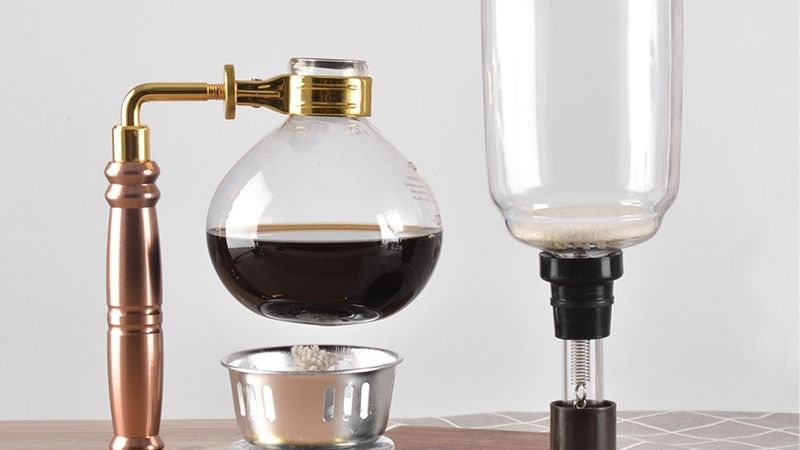
Yama Glass Cold Drip Tower: The Slow Method
A glass tower that meters water drop by drop through the coffee bed over three to five hours, producing the lighter, more aromatic cup that slow drip is known for. It is also the most visually striking piece of coffee equipment most kitchens will own.
It is fragile, tall, and demands attention: the drip rate needs setting at the start and can drift. Glass components and the assembly process make it a weekend project rather than a daily routine, and yield per brew is small.
Bruer Slow Drip: Tower Results Without the Height
A compact drip system using an ice-and-water chamber above the grounds, producing a slow drip result in roughly three hours in a fraction of the space a full tower needs. Drip rate is adjustable with a simple valve.
Yield is small, suiting one or two servings rather than a batch, and it needs ice on hand for each brew. The plastic and glass construction is less durable than a heavy immersion brewer in a busy kitchen.
Storage, Dilution and Getting Consistent Results
Cold brew is easy to make and easy to waste, and no best cold brew drip coffee maker protects a batch that is stored badly. Three habits decide whether it stays good.
How Long It Keeps
Concentrate stored in a sealed container in the fridge holds up well for about a week to ten days, while ready-to-drink cold brew begins to flatten within a few days. Neither should sit at room temperature, since cold brew is not shelf stable.
Store it in glass with a tight lid rather than an open jug, because oxygen dulls it faster than time alone. Label the brew date, since the decline is gradual enough that you will not notice it happening.
Dilution and Serving
Concentrate is typically diluted 1:1 with water or milk, adjusted to taste. Pouring undiluted concentrate over ice produces something far stronger than intended, which is the most common first-time mistake.
Ice dilutes as it melts, so building a glass with less water and more ice ends up closer to correct after a few minutes. For milk drinks, a slightly stronger concentrate holds up better against the dairy.
Cleaning and Seasonal Timing
Coffee oils cling to mesh, felt and plastic. Mesh baskets need a proper scrub rather than a rinse, felt filters must be stored wet or frozen, and plastic pitchers need occasional deep cleaning to avoid a stale edge.
Demand for cold brew gear peaks in warm months, while discounts on kitchen equipment cluster around the Amazon deal event in early October and the late November promotional window. Buying out of season and storing the kit is a reasonable strategy, and prices move constantly regardless.
Frequently Asked Questions
These three questions cover most of what readers ask when choosing a best cold brew drip coffee maker for the first time.
Is cold brew less acidic?
It measures lower in some acidic compounds than hot brewed coffee and generally tastes smoother, which is why people describe it that way. It is not acid-free, and if you are managing a digestive condition that is a question for a physician rather than a brewing method.
Can I use a regular grind?
You can, but a fine grind over a long steep produces sediment and a harsh, over-extracted result. Coarse, around the texture of raw sugar, is the target, and a burr grinder makes far more difference here than the brewer does.
Does slow drip taste better than immersion?
It tastes different: lighter, more aromatic, closer to tea. Immersion is sweeter and heavier and yields far more per session. Most households find immersion more practical, while drip appeals to people who enjoy the process itself.
See More:
- Best low price dash cam
- Projector screens at Best Buy
- Best buy projector screens
- Best projector for games
- Best projector for gaming
Final Thoughts on Cold Brew at Home
The best cold brew drip coffee maker for a household drinking it daily is almost always an immersion system, because yield and simplicity win over months of use. Slow drip towers reward attention with a more delicate cup and demand space and patience in return.
Measure your fridge shelf and counter height before ordering either, and weigh coffee and water rather than scooping. Whichever best cold brew drip coffee maker you choose, grind coarse and clean the filter properly, since both matter more to the result than the equipment itself.





Write Your Review
No reviews yet. Be the first to share your experience!