Key takeaways
What's inside
Indoor air quality tips are essential for homeowners seeking a healthier living environment free from allergens, dust, and airborne pollutants. Maintaining a clean indoor atmosphere requires understanding pollutant sources, utilizing advanced filtration systems, and monitoring environmental metrics daily to protect your household from unseen irritants.
As an Amazon Associate we earn from qualifying purchases.
By Daniel Foster
Understanding Indoor Air Quality and Selection Criteria
Selecting the right equipment for your household begins with analyzing core performance metrics, spatial requirements, and operational maintenance costs to ensure long-term efficiency and health safety.
CADR Ratings and Room Coverage Size
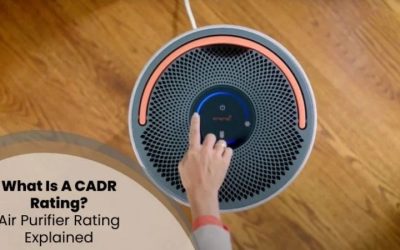
CADR, or Clean Air Delivery Rate, measures the volume of filtered air delivered by an air purifier, broken down into smoke, dust, and pollen measurements. Selecting a unit with an appropriate CADR rating ensures that the airflow matches the specific square footage or square meter dimensions of your living space.
For individuals with allergies or respiratory sensitivities, maintaining an Air Change Rate (ACH) of four to five times per hour is vital for optimal performance. Matching the device specifications to room volume prevents underperformance and guarantees thorough particulate filtration.
Always verify the manufacturer’s maximum room size specifications before purchasing a unit, keeping in mind that open-concept layouts require higher airflow capacity. Proper sizing maximizes filtration efficiency and extends the overall mechanical lifespan of the internal motor components.
Essential Air Quality Metrics and Sensor Types
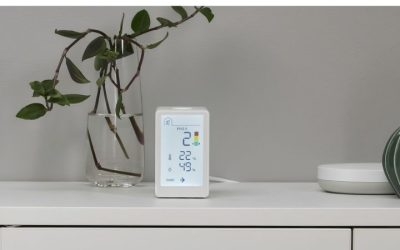
Modern air quality monitors track crucial metrics including PM2.5, PM10, carbon dioxide, volatile organic compounds, and ambient temperature and humidity levels. Accurate tracking allows homeowners to identify sudden pollution spikes from cooking, cleaning products, or outside smoke infiltration.
Advanced sensor arrays rely on laser scattering for particulate matter and electrochemical cells for gas detection to provide reliable real-time readings. Calibrating these sensors periodically ensures data accuracy, helping you make informed decisions about when to activate high-fan filtration modes.
Many smart monitors connect to mobile applications via Wi-Fi, offering historical data graphs and automated alerts when indoor pollution thresholds exceed recommended safety limits established by environmental health organizations.
Physical Footprint and Space Compatibility
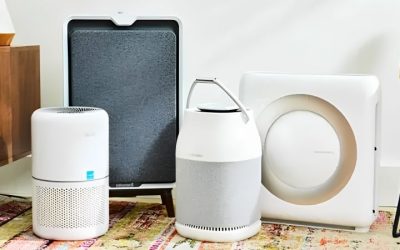
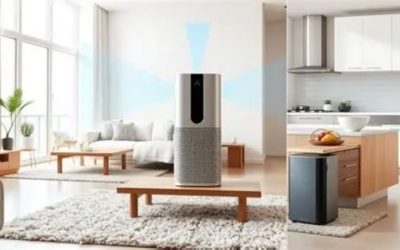
Evaluating spatial dimensions ensures that your chosen purifier or monitor fits seamlessly into your room layout without obstructing walkways or ventilation pathways. Compact models suit small bedrooms and home offices, whereas large console units require dedicated floor space away from walls.
Maintaining adequate clearance around intake and exhaust grilles is critical for maintaining uninterrupted airflow and preventing motor overheating during continuous operation across high fan speeds. Carefully measuring your available floor area prevents awkward placements that reduce overall purification efficiency.
Furthermore, consider portability features such as recessed handles or lightweight chassis designs if you plan to move the device frequently between living areas and sleeping quarters throughout the day and night.
Top Recommendations for Home Air Purification
Exploring top-rated purifiers and monitoring devices helps you compare performance tiers, filtration technologies, and recurring maintenance expenses across different budget categories.
True HEPA Filtration Performance
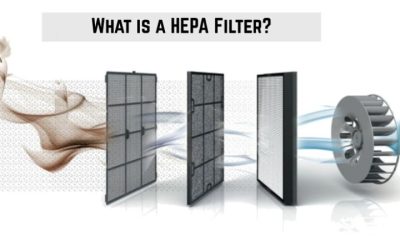
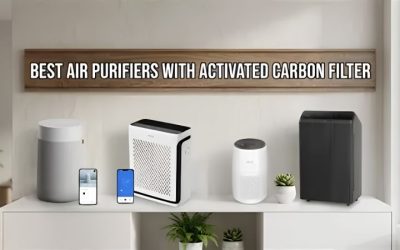
True HEPA filters capture 99.97 percent of airborne particulates down to 0.3 microns, effectively trapping pet dander, mold spores, and fine dust particles. Unlike standard HEPA-type filters, certified True HEPA media undergoes rigorous laboratory testing to ensure reliable particulate capture efficiency.
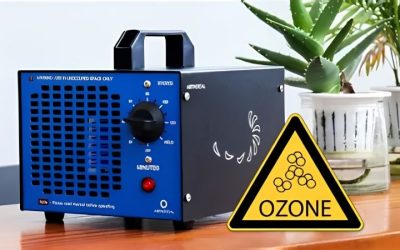
Choosing a model with a multi-stage filtration system, including a pre-filter and activated carbon layer, ensures simultaneous removal of large hairs and volatile organic compounds. Homeowners should avoid ozone-generating purifiers, as ozone is a known respiratory irritant that poses significant health risks indoors.
Replacing filter media every six to twelve months maintains peak operating efficiency and prevents airflow restrictions that increase energy consumption and motor strain over extended operational lifetimes.
Smart Connectivity and Quiet Operation
Low noise emission levels, measured in decibels, are crucial for bedroom air purifiers operating overnight during sleep hours on low or medium fan settings. Modern smart units integrate seamlessly with popular home automation ecosystems like Alexa and Google Assistant for convenient voice control.
Automated night modes dim display lights and reduce fan speeds automatically when ambient room lighting drops, ensuring undisturbed rest without manual intervention. Checking power consumption ratings in watts helps estimate long-term electricity costs during continuous 24-7 operation cycles.
Remote app monitoring allows users to check filter life indicators and adjust fan schedules directly from their smartphones, providing total convenience and peace of mind while away from home.
Comprehensive Sensor Integration and Displays
High-end air purification systems feature integrated real-time air quality indicators that display color-coded LED rings or numerical AQI values based on current particulate loads. This immediate visual feedback enables occupants to gauge indoor pollution levels instantly without opening a separate mobile application.
Automatic fan adjustment features respond dynamically to detected pollution spikes, ramping up filtration power when cooking smoke or outdoor dust enters the living space. Understanding these automated responses helps users maintain a consistently clean indoor environment with minimal manual adjustments.
Evaluating overall build quality, warranty coverage, and replacement filter availability ensures your investment remains protected against unexpected mechanical failures or supply chain shortages for replacement parts.
Market Context and Seasonal Considerations
Seasonal shifts, wildfire smoke events, and home maintenance routines heavily influence indoor air quality management strategies throughout the year.
Seasonal Demand and Wildfire Smoke Preparedness
During late summer wildfire seasons and high pollen spring months, particulate pollution surges dramatically, driving a massive increase in demand for certified True HEPA air purifiers. According to environmental agencies, tracking local air quality indexes helps homeowners proactively seal windows and run filtration systems before outdoor pollutants infiltrate living spaces.
Major retail sales events, such as Amazon Prime Day in mid-summer and Black Friday in late November, provide excellent opportunities to acquire high-end air purification hardware at discounted price points. Planning purchases around these annual calendar milestones maximizes savings on essential health and home appliances.
Maintaining indoor air quality tips in mind during seasonal transition periods ensures your household stays prepared for sudden spikes in airborne allergens and outdoor smoke advisories year-round.
| Device Category | Primary Metric / Feature | Ideal Room Size | Maintenance Interval |
|---|---|---|---|
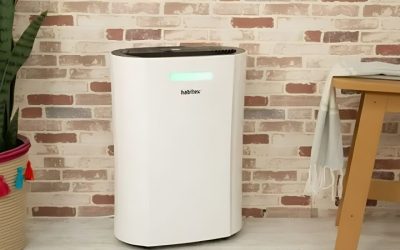
| Standard Purifier | CADR 150 cfm, True HEPA | Up to 250 sq ft / 23 m² | Filter replacement every 6 months |
| Large Console Unit | CADR 350 cfm, Multi-Stage | Up to 500 sq ft / 46 m² | Filter replacement every 12 months |
| Smart AQI Monitor | PM2.5, CO2, VOC Sensor | Whole room ambient tracking | Sensor calibration annually |
Frequently Asked Questions
How often should I replace my air purifier HEPA filter?
Most manufacturers recommend replacing True HEPA filters every six to twelve months, depending on local air pollution levels and daily operating hours.
Can air purifiers completely cure asthma and allergies?
Air purifiers significantly reduce airborne allergens and particulate irritants, but they do not cure medical conditions; consult a healthcare professional for clinical advice.
Why are ozone-generating air purifiers discouraged?
Ozone generators intentionally produce ozone gas, which is a powerful respiratory irritant that can worsen asthma and cause chronic lung irritation indoors.
How do I choose the correct CADR for my room size?
Ensure the purifier’s CADR rating meets or exceeds two-thirds of your room’s square footage to achieve the recommended four air changes per hour.
See More:
- Best eyeshadow blender brush
- Best frozen foods for air fryer
- Best frozen food for air fryer
- Best way to reheat steak in air fryer
- Best air fryer recipes book
Conclusion
Applying effective indoor air quality tips empowers you to select reliable purification systems and AQI monitors tailored to your home environment. By prioritizing certified filtration performance, proper room sizing, and regular filter maintenance, you ensure a cleaner, healthier living space for your family for years to come.