
Best cooling mattress pad choices split into two groups that work nothing alike: powered systems that actively move heat away, and passive pads that only slow how fast your body heat builds up. This guide compares six on thickness, method and how much they change firmness.
As an Amazon Associate we earn from qualifying purchases.
Our top picks




As an Amazon Associate we earn from qualifying purchases at no extra cost to you.
By Daniel Foster
Specifications come from manufacturer documentation and from recurring patterns in long-term owner reports rather than from lab testing. Nothing here is medical advice; for night sweats with a possible medical cause, speak with a physician.
🛒 Best Price Today on Amazon
Prime members get fast, free shipping on everything above, plus member-only deals. New members get a 30-day free trial — cancel anytime.
Start 30-Day Prime Free Trial →See Today’s Amazon DealsActive Cooling, Passive Cooling and What Each One Does
The phrase best cooling mattress pad covers two entirely different products at wildly different prices. Understanding which one you are buying prevents most of the disappointment in this category.
Thickness, Firmness Change and Temperature Control
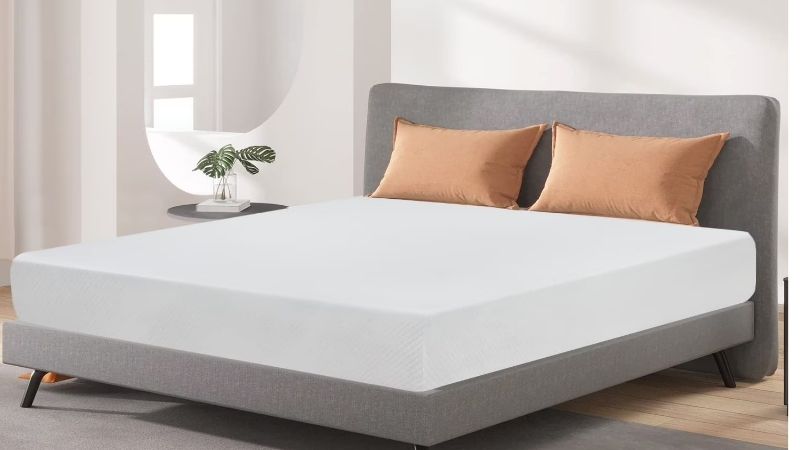
Three numbers decide the purchase: thickness in inches, how much the pad changes the firmness of the bed underneath, and whether it controls temperature actively. A thin quilted pad adds under 1 in (2.5 cm) and barely alters feel; a 3 in (7.5 cm) foam topper changes the bed substantially.
Active systems are the only ones that set a temperature. Water-based units circulate through a thin pad and typically run from roughly 55 to 115 degrees F (13 to 46 C), so they both cool and warm. Passive pads have no set point at all; they redistribute or delay heat, which is a smaller effect honestly described.
Bed Size, Depth and Whether It Actually Fits
Fit failures are the most common complaint about any best cooling mattress pad shortlist. Fitted-style pads are cut for a stated mattress depth, often up to 15 or 18 in (38 or 46 cm), and a thick hybrid with a topper already on it can exceed that. Measure your mattress depth with a tape before ordering.
Active systems need somewhere for the control unit to live: a bedside floor space roughly the size of a small waste bin, plus a mains socket and a hose run under the bed. Check that clearance under a low platform frame, and confirm the standard US size you need, since a Queen is 60 x 80 in (152 x 203 cm) and a King is 76 x 80 in (193 x 203 cm).
Noise, Power Use and Running Costs
Powered systems make noise. Water units produce a low pump hum, generally reported in the range of a quiet fan, and air-based units are louder at high settings because they move air volume. If you sleep lightly, this is the specification to research before price.
Running costs are modest but not zero, and water systems need distilled water plus a periodic cleaning solution to prevent biological growth in the reservoir. Factor that into the ownership picture the same way you would filter costs on an air purifier.
Materials, Certification and Sleeping Partners
Passive pads rely on either phase-change material, which absorbs heat as it changes state, or gel-infused foam and conductive fabrics that move heat sideways. Both have limits; neither can remove more heat than the room can absorb.
For couples, the useful distinction is dual-zone control, available on several active systems, which lets two people set different temperatures on the same bed. Look for CertiPUR-US certification on foam toppers and check for UL or ETL marks on any powered control unit.
Six Cooling Options Compared
The best cooling mattress pad for a hot sleeper and for a mildly warm one are different products, so this list spans powered water and air systems, a phase-change pad and three foam toppers. Every entry names a genuine drawback.
| Option | Method | Thickness | Firmness change |
|---|---|---|---|
| Sleepme Dock Pro | Active, water | Thin pad | Minimal |
| BedJet 3 | Active, air | No pad needed | None |
| Slumber Cloud Core | Phase change | Quilted pad | Minimal |
| Tempur-Adapt Cooling Topper | Gel foam | 3 in / 7.5 cm | Softens noticeably |
| ViscoSoft Serene topper | Gel memory foam | 3 in / 7.5 cm | Softens |
| Lucid gel memory foam topper | Gel memory foam | 2 or 3 in / 5 or 7.5 cm | Softens |
Sleepme Dock Pro: Set an Actual Temperature
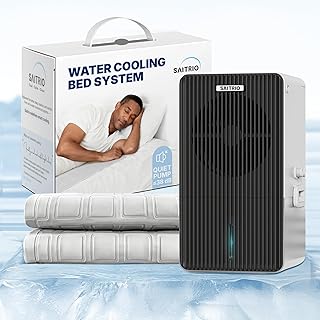
The Dock Pro circulates water through a thin pad from a bedside control unit, holding a set point across roughly 55 to 115 degrees F (13 to 46 C), with dual-zone versions available for couples who disagree. It is the only approach here that works regardless of how warm the bedroom is.
It is also the most expensive and the most demanding to own. The unit needs distilled water, periodic cleaning to prevent growth in the reservoir, floor space beside the bed and a hose run that has to survive bed-making. The pump hum is audible in a silent room.
BedJet 3: Air Instead of Water
The BedJet pushes conditioned air into the bedding through a nozzle at the foot of the bed, so there is no pad, no water and nothing to leak. It heats as well as cools, and the effect arrives quickly because it works on the air layer against your skin rather than through foam.
Airflow is loud at higher settings, which is the recurring theme in owner reports, and the effect depends on your duvet trapping the air. It also cannot chill below room temperature, so in a hot bedroom without air conditioning it is moving warm air faster rather than making it cold.
Slumber Cloud Core: Phase-Change Without Power
This quilted pad uses Outlast phase-change material, originally developed for temperature regulation in extreme environments, which absorbs excess heat as it changes state and releases it later. It fits like a standard fitted pad, needs no power and adds almost nothing to the bed’s height.
Its capacity is finite. Once the material has absorbed its load of heat it stops helping until it can release again, so it moderates a warm night rather than fixing a hot one. Buyers expecting a powered-level effect at a fraction of the price consistently report disappointment.
Tempur-Adapt Cooling Topper: Premium Foam
At 3 in (7.5 cm) with a cooling cover over Tempur material, this topper changes the feel of the bed considerably, adding contouring pressure relief on a mattress that has become too firm. The cover is removable and washable, which matters over years of use.
It is the most expensive passive option here and it is still memory foam, a material that stores heat by nature. The cooling cover manages surface temperature at the point of contact; it does not turn a warm-sleeping bed into a cool one, and heavier sleepers will feel the base mattress through it.
ViscoSoft Serene: Gel Foam With a Cover Included
The Serene combines 3 in (7.5 cm) of gel-infused memory foam with a removable, washable bamboo-blend cover and elastic straps that keep the corners in place. For a firm mattress that needs softening more than it needs cooling, this is the better-value route.
Gel infusion helps at the margins rather than transforming heat behaviour, and any 3 in memory foam layer will sleep warmer than the bare mattress surface did. Expect an initial odour after unrolling and allow a day or two of airing before putting sheets on.
Lucid Gel Memory Foam Topper: The Budget Entry
Available in 2 and 3 in (5 and 7.5 cm) versions with CertiPUR-US certified foam, the Lucid topper is the least expensive way to change how a bed feels. Ventilated variants add airflow channels through the foam, which helps modestly with heat retention.
There is no cover included on the basic version, so you are placing bare foam under a sheet, and lower-density foam compresses faster under nightly use. Treat it as a one to three year product rather than a lasting fix, and skip it if your mattress is already sagging.
Living With a Cooling Pad Over Time
Every best cooling mattress pad candidate fails in its own way, and none is maintenance free. Knowing the pattern helps you judge whether the price makes sense.
Water Systems, Hoses and Reservoir Hygiene
Water-based units need distilled water and a cleaning cycle with the manufacturer’s solution, usually recommended every few months, because a warm water reservoir is an environment where growth happens. Tap water accelerates scale and clouding inside the tubing.
Hose connectors and the pad itself are the mechanical weak points, particularly where the hose crosses the bed edge and is pulled during bed-making. Route it deliberately from the start, and confirm what the warranty covers on the pad versus the control unit, since the terms often differ.
Foam Compression and Cover Care
Foam toppers develop impressions at the hips and shoulders in the same way mattresses do, and lower-density foam gets there faster. A topper that has flattened is no longer providing pressure relief and is not restored by rotating, though rotating head to foot does slow the process.
Covers matter more than buyers expect. A washable cover means you can maintain hygiene without trying to clean foam, which is essentially impossible to do properly. If a topper you like has no cover, budget for a fitted protector alongside it.
Timing and Realistic Expectations
Demand for cooling bedding peaks with summer heat, and the mattress category discounts around federal holidays such as Labor Day rather than following the electronics calendar. If your purchase is not urgent, that is the useful window to watch as summer ends.
Set expectations honestly: in a bedroom that stays above roughly 78 degrees F (26 C) all night, no passive pad will deliver a cool bed, and even active systems work harder. Room temperature, bedding weight and airflow do more of the work than any single product.
Frequently Asked Questions
These three questions cover most of what readers ask before choosing a best cooling mattress pad from the active or passive camp.
Will a cooling pad fix a mattress that sleeps hot?
An active water or air system will manage surface temperature regardless of the mattress underneath. A passive pad only slows heat buildup and cannot overcome a dense memory foam bed in a warm room. Match the method to how severe the problem actually is.
Does a topper make a bed softer as well as cooler?
Yes, and that is often the real reason people buy one. A 2 to 3 in (5 to 7.5 cm) foam layer noticeably softens the surface. If you want cooling without changing firmness, choose a thin phase-change pad or an active system instead.
Can I use one with an adjustable base?
Most pads and toppers flex fine. Active systems need the hose routed so it is not pinched when the base articulates, and the control unit needs a stable position that the moving frame will not strike. Check the manufacturer’s guidance for your specific base.
See More:
- Best low price dash cam
- Projector screens at Best Buy
- Best buy projector screens
- Best projector for games
- Best projector for gaming
Final Thoughts on Cooling Your Bed
The best cooling mattress pad for a genuinely hot sleeper is an active system, because it is the only category that holds a temperature rather than delaying heat. For mild warmth, a phase-change pad costs a fraction as much and does enough. Measure your mattress depth before ordering either.
If the mattress is also too firm, a 3 in gel foam topper solves two problems at once, accepting that foam itself retains some heat. Whichever best cooling mattress pad you choose, look at room temperature and bedding weight first, since those set the ceiling on what any product can achieve.


Write Your Review
No reviews yet. Be the first to share your experience!